
Africa-Press – Tanzania. AT a time when hatred, extremism, and division are rising globally, societies are being urged to invest in civic education as a tool to combat intolerance.
They have been encouraged to prioritise unity, accountability, and forward-looking leadership over division and despair, as nations strive for a shared and prosperous future.
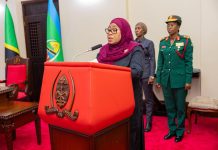
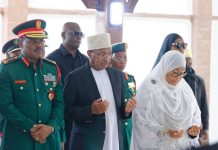
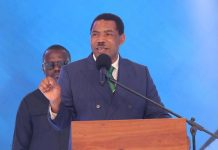
Speaking during the 32nd anniversary of the Rwandan genocide yesterday, Deputy Minister for Foreign Affairs and East African Cooperation, Ngwaru Maghembe, described the genocide as a systematic campaign of violence against the Tutsi, leaving a deep and lasting impact on society.
Mr Maghembe represented the Minister for Foreign Affairs and East African Cooperation, Mahmoud Thabit Kombo, at the event held at Mlimani City Conference Centre in Dar es Salaam.
The 32nd anniversary commemorates the 1994 genocide that claimed over one million lives.
This year’s ceremony was held under the theme “Remember, Unite, Renew”, highlighting the need to preserve memory, strengthen solidarity, and build a peaceful, united, and prosperous society.
“The Ashanti people of Ghana have a proverb that says, ‘There is no medicine to cure hatred with hatred’. Hatred cannot be treated; it must be uprooted from society. To do so, one must invest in civic education,” said Mr Maghembe.
He said that, as Rwanda marks 32 years since the 1994 genocide against the Tutsi, the country has risen from the ashes to become a symbol of hope and transformation.
Indeed, he added, Rwanda has achieved impressive growth and is now among the most promising and fastest growing societies in Africa.
These achievements, he said, stand as a powerful testament to what can be accomplished when a nation chooses unity, accountability and forward looking leadership over division and despair.
Mr Maghembe reiterated Tanzania’s commitment to strengthening bilateral relations with Rwanda through trade, transport and infrastructure projects, while urging continued efforts to prevent the recurrence of similar tragedies in the future.
The Deputy Prime Minister also acknowledged Tanzania’s role in providing refuge and dignified burials for victims.
He referred to a recent delegation from Rwanda to the Ngara District to document the humanitarian efforts of Tanzanians.
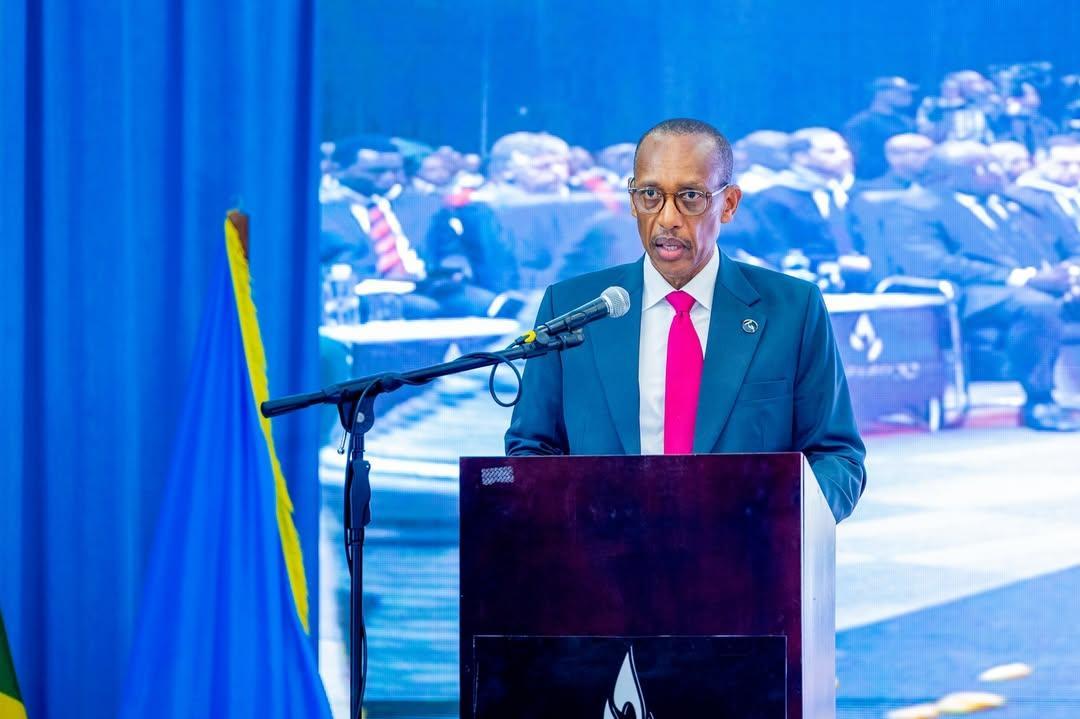
The Rwandan High Commissioner to Tanzania, General Patrick Nyamvumba, underscored the importance of remembering the genocide in order to prevent future atrocities, highlighting both how it unfolded and ongoing prevention efforts.
He outlined the stages of genocide, including classification, division, discrimination, dehumanisation, organisation, polarisation, persecution, extermination and denial, urging investment in young people to ensure they carry forward the legacy of unity and peace.