

Africa-Press – Tanzania. On a day that typically sees heavy traffic in Dar es Salaam, Tanzania’s largest city, where the annual national trade fair “Saba Saba” is held, most streets appeared empty last Tuesday, July 7, as if the city’s nearly 6 million residents had left all at once, according to a local source.
Activists had called for peaceful demonstrations on this day known as “Saba Saba” (meaning “seven seven” in Swahili), which marks the anniversary of the founding of the “Tanganyika African National Union” (TANU) in 1954. However, widespread security measures prevented any public gatherings after the government recently banned all political assemblies, as reported by a news agency.
The local source noted that social media in Tanzania had been filled for over two months with calls for marches across the country, with demands including the release of opposition figure Tundu Lissu, the drafting of a new constitution, the re-holding of disputed general elections from October 29, and an end to enforced disappearances and unjust killings.
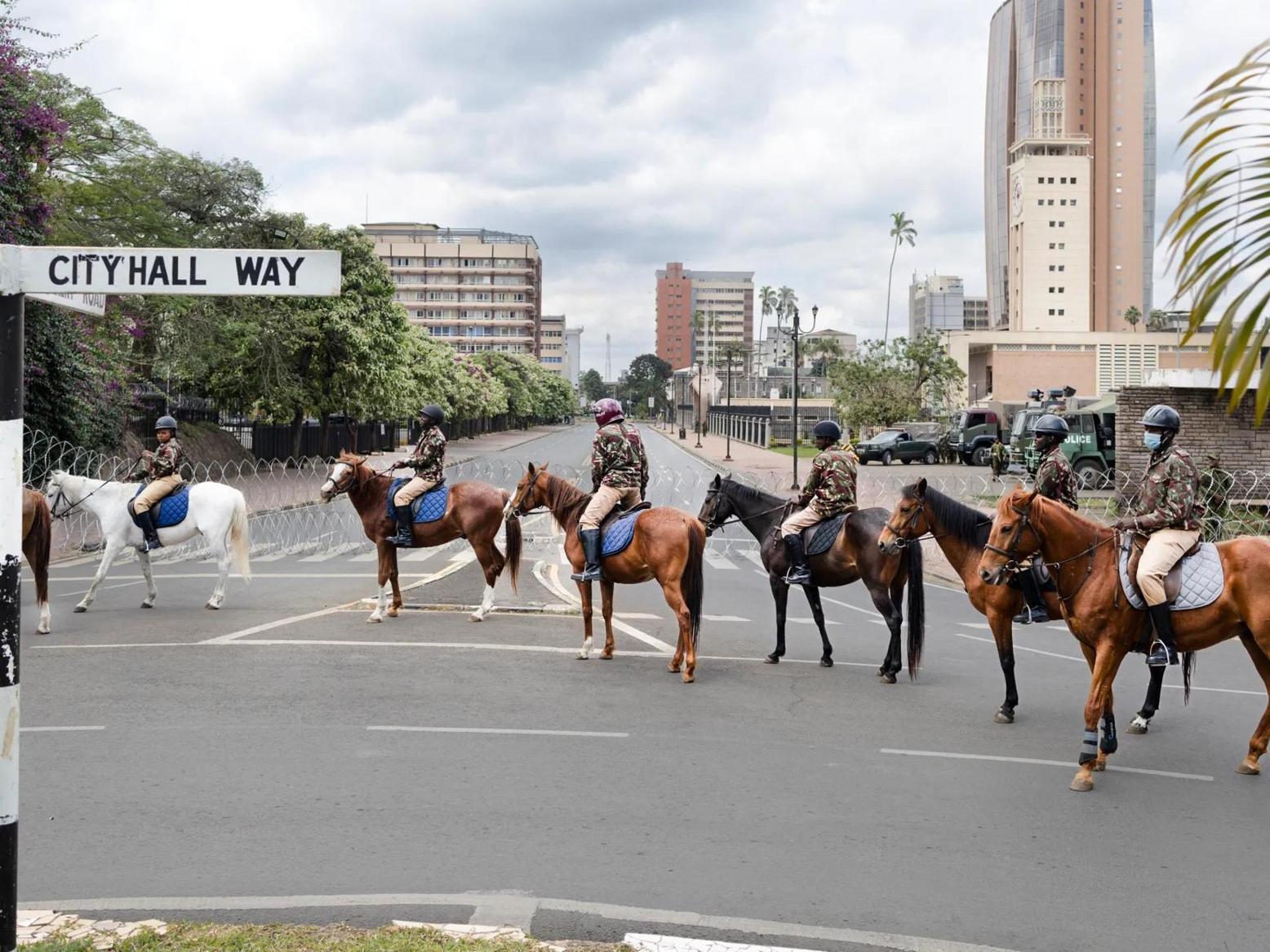
The source added that the week leading up to July 7 saw an increased presence of police and military personnel in the streets of Arusha, Dar es Salaam, Mbeya, and Mwanza, while government-aligned politicians issued warnings to those intending to protest. As a result, according to the source, Tanzania “froze” on the scheduled protest day, as most people chose to stay home, shops closed their doors, public transport ceased operations, and the “Saba Saba” trade fair in Dar es Salaam, which usually attracts large crowds, was adversely affected. Even the Kariakoo commercial district, typically bustling with activity during holidays, appeared shut down, while police and military were stationed throughout Dar es Salaam, as observed by a reporter from the news agency.
The local source quoted observers stating that the stagnant atmosphere on “Saba Saba” was “akin to a protest in itself,” and that the activists who promoted the event considered their call successful as most people went on strike. Conversely, many in the local business community felt that the paralysis of the cities severely harmed their trade and the economy overall, urging the conflicting parties to sit down and resolve their differences.
Fear of Repeating Tragedy
This public caution was overshadowed by fears of a repeat of the violence that followed the October elections, as human rights organizations and the opposition reported that thousands were killed by security forces during the unrest that ensued amid allegations of fraud. A government-appointed investigation committee, led by retired Chief Justice Mohamed Chande Othman, concluded in April that 518 people were killed across 11 regions, according to a security analysis website.
All of this occurred in the absence of the main opposition party, “Chadema,” whose leader Tundu Lissu has been in pre-trial detention since April 2025 on treason charges that carry the death penalty, while the party itself remains barred from participating in elections until 2030, according to the security analysis website. The site noted that the current protest mobilization led by the youth is “decentralized and not party-led.”
The choice of date was not arbitrary, as July 7 marks the anniversary of the founding of the “Tanganyika African National Union” (TANU) in the Kariakoo district itself, the movement that led the country to independence under Julius Nyerere’s leadership. This is not the first time a symbolic national occasion has turned into a protest date, as activists previously called for demonstrations on Independence Day, December 9, 2025, which were met with a ban on gatherings, preventive arrests, and heavy security presence that left the center of Dar es Salaam devoid of pedestrians, according to a news agency.