
What You Need to Know
Justice Othman, chairperson of the Commission of Inquiry, has announced a 21-day extension for completing the inquiry into the October 29, 2025 incidents. The extension is due to a surge in evidence, the complexity of the task, the need for expert analysis, and the preparation of a bilingual report. Othman emphasized the Commission’s independence and the importance of thoroughness in their work.
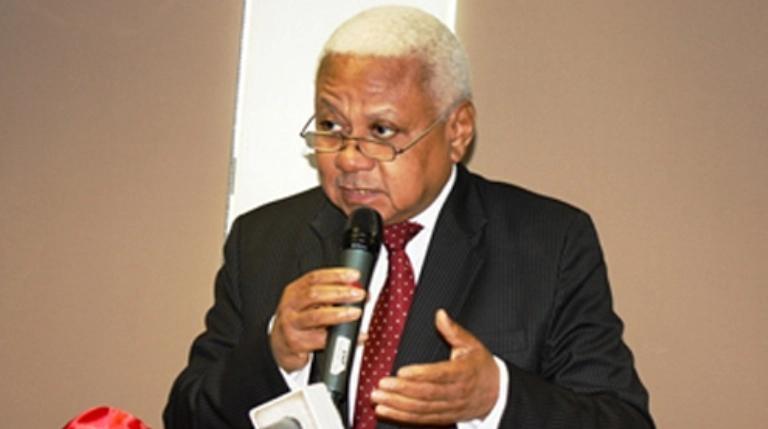
Africa-Press – Tanzania. CHAIRPERSON of the Commission of Inquiry into the October 29, 2025 incidents, retired Chief Justice, has outlined four key reasons behind the 21-day extension granted to complete the Commission’s work.
He cited the continued inflow of evidence, the complexity of the task, the need for expert scientific analysis and preparation of a bilingual report as key reasons for the extension.
According to a notice published in Government Gazette No NSSN 0856- 0323, Issue No 2, dated April 4th, this year, the appointing authority approved the extension, moving the deadline to April 24th this year.
Speaking to reporters yesterday, Justice Othman said the request for additional time was based on publicly disclosed reasons, stressing that the Commission cannot turn away witnesses who are still coming forward with relevant evidence.
“The Commission has been granted an extension for four publicly stated reasons. First, a large volume of evidence is still being received. Second, we are awaiting expert advice from scientific specialists, third, there is a need for thorough analysis of the extensive evidence collected, fourth, we must ensure that the final report is released simultaneously in both Kiswahili and English,” he said.
He cited satellite images circulating online as an example of material requiring specialised scientific verification, underscoring the technical complexity of the inquiry.
Justice Othman said the Commission is now in the final stages of compiling its report and dismissed claims that the extension was intended to influence its findings.
He emphasised that the body operates independently and without external interference.
“As I have said, we are in the final stages. We cannot rush to complete the work and leave translation to others, nor can we turn away witnesses who are still coming forward with evidence,” he said.
Reaffirming the Commission’s autonomy, he noted that it functions without intermediaries and governs its own processes.
“The Commission is fully self-governing. We engage with the appointing authority only when we receive our terms of reference and when we submit the final report. There is no intermediary involved, we are simply completing our work,” he said.
He added that the Commission’s independence is anchored in the law establishing it and in the oaths taken by its members, noting that no external actors direct its operations.
Justice Othman said the Commission comprises experienced professionals who recognise the seriousness of the October 29 events and the need for a thorough and professional approach.
He explained that upon receiving its terms of reference, the Commission developed its own procedures, including making the submission of evidence voluntary.
“Our independence began after receiving the terms of reference. We established our own procedures and determined that providing evidence would be voluntary,” he said.
He urged Tanzanians to use the remaining time to submit any additional evidence, noting that the Commission does not compel participation and will rely solely on material formally presented before it.
“We believe the time granted will be sufficient. Those who still have evidence are welcome to come forward. We do not compel people; submission is voluntary,” he said.
Justice Othman acknowledged the high expectations from both Tanzanians and the international community, assuring that the Commission is committed to handling its mandate professionally and comprehensively.
He noted that the Commission has received submissions from a wide range of groups, including youth (popularly known as Gen Z), bodaboda riders, petty traders and food vendors through their respective associations.
On youth engagement, he said the Commission consulted university students through the Tanzania Higher Learning Institutions Students’ Organisation, allowing them to lead discussions while commissioners observed.
“University students have their own leadership structures through TAHLISO. We met them and allowed them to conduct their own discussions while we listened. They provided valuable insights,” he said.
Initially, the Commission planned to visit six regions most affected by the unrest.
However, it expanded its outreach to 11 regions and 22 districts to gain a broader understanding of both affected and unaffected areas.
Justice Othman said the Commission also visited Zanzibar and Kilimanjaro despite the absence of unrest there, to draw lessons on reconciliation and social cohesion.
“We went to Zanzibar because there was no unrest. Our colleagues there have experience in reconciliation. Ultimately, we will recommend reconciliation and that is why we went to learn from their experience,” he said.
He expressed confidence that the final report will help victims feel that justice has been served and will contribute to national healing
The Commission of Inquiry was established to investigate the events surrounding the October 29, 2025 incidents in Tanzania, which raised significant public concern. The inquiry aims to ensure accountability and transparency, reflecting the government’s commitment to addressing the grievances of affected communities and restoring public trust in state institutions. The Commission’s work is crucial for national healing and reconciliation, particularly in a context where social unrest has highlighted underlying tensions within society.