

What You Need to Know
David Kafulila, Executive Director of the PPP-CENTRE, outlined a roadmap for Tanzania’s economic growth, targeting a $1 trillion economy by 2050. He emphasized the need for the private sector to invest Tsh 334 trillion, highlighting opportunities in energy and infrastructure to support this ambitious plan.
Africa-Press – Tanzania. THE Executive Director of the Public-Private Partnership Centre (PPP-CENTRE), David Kafulila, has provided a guide and roadmap for how Tanzania will achieve economic growth of One Trillion Dollars by 2050, while assigning the private sector the responsibility of carrying 70 percent of that development burden.
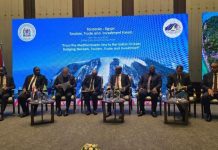
Speaking at a meeting with private sector stakeholders (TPSF) in Dar es Salaam, Kafulila clarified that the National Five-Year Development Plan (2026/27 to 2030/31) costs Tsh 477 Trillion. To achieve this, the private sector is expected to invest more than Tsh 334 Trillion.
The energy sector also has vast opportunities. Kafulila noted that TANESCO requires PPP investment to increase electricity generation from the current 1,000 Megawatts to 5,000 Megawatts.
Beyond energy, Kafulila reminded housing and real estate stakeholders to begin building reliable infrastructure within Dar es Salaam municipalities to prepare to host the large influx of visitors during the AFCON 2027 tournament.
In conclusion, he urged banks in the country to change their approach and stop being mere lenders, and instead start financing project preparation costs in collaboration with the Government, then recover the funds from the investor who will be selected to implement the project.
Tanzania has been focusing on enhancing its economic growth through public-private partnerships, especially in sectors like energy and infrastructure. The National Five-Year Development Plan aims to mobilize significant private sector investment to achieve sustainable development goals. The upcoming AFCON 2027 tournament presents additional opportunities for infrastructure development, further emphasizing the role of private investment in the nation’s growth trajectory.
Historically, Tanzania has relied on both domestic and foreign investments to boost its economy. The government’s push for private sector involvement reflects a broader trend in many developing nations, where partnerships in