
Africa-Press – Tanzania. MEMBERS of the Council for Legal Education are meeting in Dodoma to review and make major improvements to the National Legal Training Curriculum on various areas to address the country’s needs and thus shape national developments.
The expected reforms to the National Legal Training Curriculum of 2010, according to a statement issued on Wednesday by the Information and Communication Department of the Judiciary of Tanzania, will also enable graduates to be self-employed and fully discharge their duties.
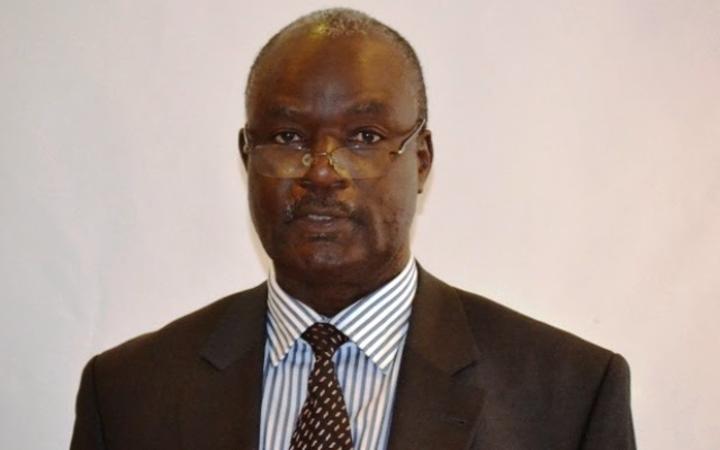
Acting Judge in Charge of the High Court of Tanzania, Dodoma Zone, Mr George Masaju, opened the three-day meeting and called on members of the Council to make contributions that would be the catalyst for major improvements of the curriculum in question.
He pointed out that the improvements that would be made would make the colleges offering law education to provide education that would enable graduates to be self-employed and fulfill their responsibilities in the public or private sector with confidence and efficiency.
“I congratulate the Leaders of the Council and the Judiciary in general for organizing and coordinating this working session. I believe your contributions will be the catalyst for good Law programs in our Colleges which are essential in national developments,” he said.
Speaking at the session, the Registrar of the High Court of Tanzania, Ms Shamira Sarwat, who is also the Secretary of the Council, made it clear that the current 2010 Legal Training Curriculum is outdated, thus, it needs to be improved to cope with the existing technological advancements.
According to the Registrar, the curriculum does not reflect the current needs of major development of Information and Communication Technology (ICT), international economy and trade as well as other development activities, including mining of minerals as well as exploration of oil and gas.
The meeting of the Council has brought together representatives from various universities in the country including the University of Dar es Salaam, the University of Dodoma and Mzumbe University (Morogoro and Mbeya).
Other representatives are from St. Augustine (Mwanza), Jordan (Morogoro), Kampala University, Cooperative College – MuCOBS, Open University of Tanzania, Muslim University of Morogoro, University of Iringa, Tumaini Makumira College Arusha and Ruaha University.
Members of the Council will have three days to review the curriculum to reflect technological advances and state of modern economy as well as set standards enabling colleges to have specific time for practical training (Moot court) and have a good balance between students and teachers.