
Africa-Press – Tanzania. LOW business has affected sales of indigenous chicken traders in Dar es Salaam Region during year end festive seasons attributing to impact of coronavirus pandemic.
Traders are saying their sales dropped from between two to five chickens a day despite year end festive seasons being around the corner compared to 50 chickens before Covid-19 breakout.
Manzese Market Chairman Mr Hamisi Mgana said that the business was tough after experiencing drop in sales of traditional birds as customers complained of low purchasing among other reasons.
Mr Mgana said hotels put high charge on chicken on the menu thus affecting business as well since customers now regard eating chicken as a luxury.
Mr Mgana, who chaired a largest poultry market in Dar, said they used to supply over 100 indigenous chickens a day to low and middle level hotels but since the order had dried out. Most are buying in low number.
The Manzese Chicken Market Chair said the government shifting to Dodoma also affected negatively their businesses because they used to supply to some government departments and institutions canteens to around 100 and 150 but now supplying merely 50 and 70 birds a week.
Other reasons, according to the market Vice-Chairman Mr Dismas Kimario, was that indigenous chicken have become expensive in recent days as they buy in Tabora at between 13,000/- and 14,000/- and we sell around 15,000/- and 20,000/-.
“To hook customers we are buying the birds from Tabora since they have more meat compared to those from Singida but are expensive,” he said.
The shifting of the government to Dodoma also may have contributed to low business in Dar es Salaam because the wholesale traders find a readymade market in Dodoma at almost same price as in Dar.
Another indigenous chicken trader from Ilala market, Mr Yusufu Mgeni, said one of the challenges was the mode of transporting the chickens where some die due to poor handling method and they have to compensate the losses by raising prices.
He said most traders in Ilala buy birds between 13,500 / – and 14,000 / – and then sell between 18,000 / – and 20,000/ – a chicken.
Mr Rajabu Ally at Shekilango indigenous chicken market business has plummeted to selling between one to five birds a day and in some days goes home empty handed.
“The losses are huge,” Mr Ally said, “the business is not paying at all. It’s only that we cannot stay at home.”
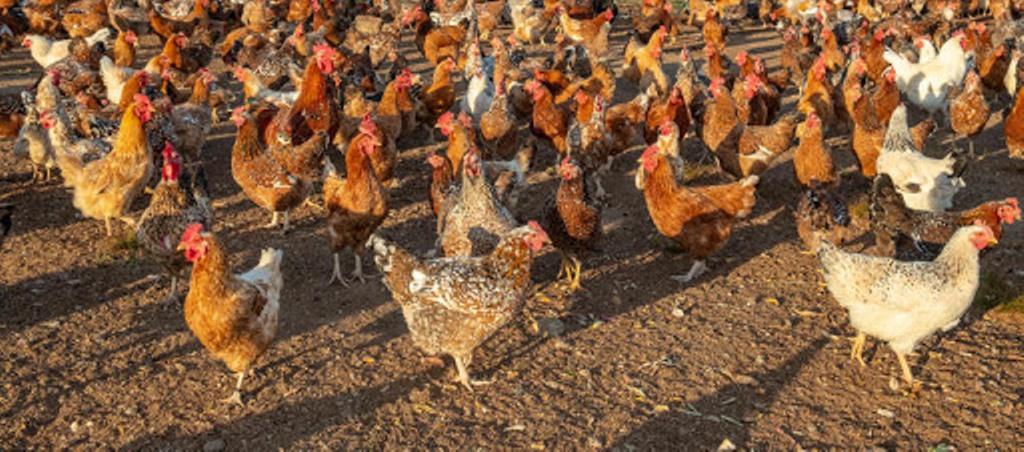
Research shows that Tanzania has about 74.2 million chickens at any given time, about 38.2 million of which are local breeds, which also provide almost all the poultry products used in rural areas.
Nearly 90 per cent of the indigenous chickens are raised by smallholder farmers in the rural areas.