
What You Need to Know
Imara Tech, founded in 2016 in Tanzania, is transforming agriculture by providing innovative equipment for smallholder farmers. Their flagship product, the MultiCrop Thresher, has significantly improved productivity and reduced post-harvest losses. By opening showrooms and creating jobs, Imara Tech is enhancing food security and empowering local communities across East Africa.
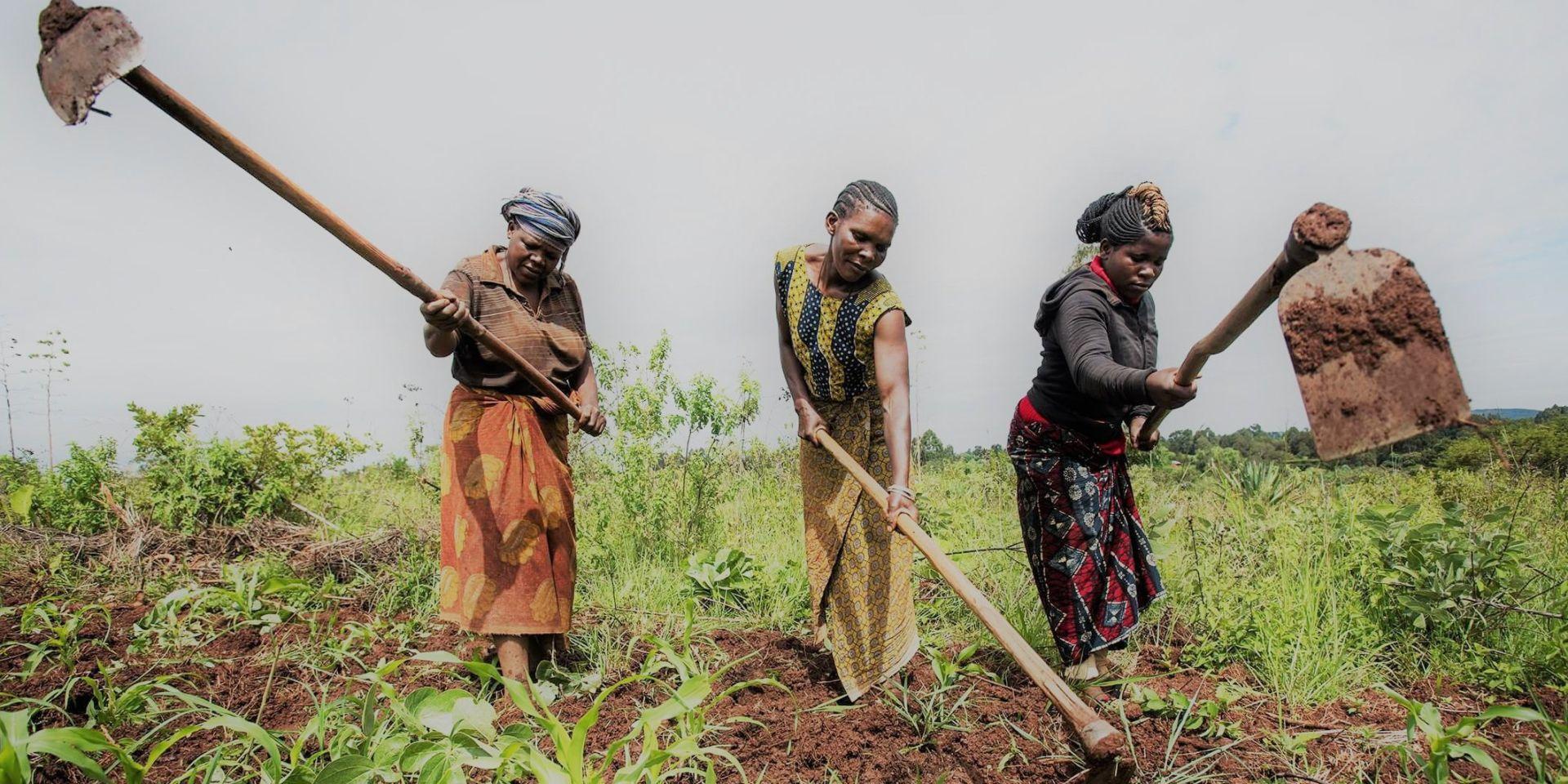
Africa-Press – Tanzania. TANZANIAN and broadly African – farmers still largely rely on hand hoes and animal-powered ploughs for tilling their land.
Only a few, those who are relatively more economically capable, can afford to use tractors.
These range from power tillers to well-known brands like Massey Ferguson, New Holland, John Deere, Sonalika, or even Massive.
Unfortunately, all these brands are foreign and the machinery is entirely imported.
Farmers do not use them for luxury or out of preference, they simply have no alternative.
These are the only solutions currently available in the market. After harvesting, very few farmers use machines to thresh their crops separating grains from their stalks.
Most still perform this task manually, beating the harvested crops with sticks while they lie on the ground or on mats.
This method is labour-intensive, time-consuming and leads to significant post-harvest losses.
The picture shown features none other than Imara Tech, a company I introduced on this platform last week.
For those who missed that update, here’s what I shared: Founded in 2016 and based in Arusha, Imara Tech is a youth-led company that develops agricultural equipment to solve smallholder farmers’ challenges.
While it manufactures several products, the MultiCrop Thresher (MCT) is its flagship innovation.
To date, the company has produced thousands of units, which have been sold to farmers across Tanzania, Kenya, Uganda, Burundi, Rwanda, Malawi, Zambia, Zimbabwe and the Democratic Republic of Congo (DRC).
To reach even more farmers, the company has opened showrooms in Songwe and Dodoma, a strategy typically associated with foreign tractor and motor vehicle dealers.
Imara’s ambitious journey has not only transformed the lives of thousands of farmers but has also created dozens of direct jobs, empowered young and women entrepreneurs and contributed significantly to food and nutrition security in the country.
gain deeper insights into this rising force in the agricultural sector, The Agrarian Quest (TAQ) conducted an interview with Imara Tech’s CEO, Mr Alfred Chengula.
Our discussion covered the company’s origin, formation, challenges, opportunities and his thoughts on the role of society and the government.
The Interview
TAQ: When and how did you establish Imara?
Answer: We registered the company in 2016 and officially started operations in late 2019.
I founded it one year after graduating from university because I saw a serious challenge, the lack of modern farming equipment.
Since I, like many Tanzanian families, especially in rural areas, I’m directly involved in farming, these challenges affected us personally.
So, after graduating, I wanted to do something that would have a real impact on many of these rural households. That was my main motivation for starting the company.
TAQ: What challenges did you face?
Answer: The biggest challenge in the beginning was that I had no predecessors in this industry, everything was new to me.
Even the few people I consulted discouraged me, saying it was impossible, which is why no one else had done it.
But I didn’t want to give up because I believed it was an opportunity and coming from a farming family myself, I was confident that small-scale farmers would be willing to buy, as this was the solution to their problem.
TAQ: What opportunities do you see? Answer: About 80 per cent of Tanzanians are engaged in agriculture and around 30 million of them are small-scale farmers.
Many lack proper farming tools and rely on manual labour for all activities.
For us, this presents a huge opportunity to collaborate and close that gap and that’s just in Tanzania. If you look at Africa as a whole, the challenges are similar.
Those who do have good farming tools often import them from outside Africa. So, this is a massive opportunity for us, especially in terms of expansion beyond Tanzania.
TAQ: What should Tanzanian society do more?
Answer: It’s time for our communities to wake up and abandon traditional farming methods, as they hinder productivity.
Now is the time for them to access modern tools produced right here in the country by Imara Tech Ltd, so they can improve yields and livelihoods.
TAQ: What more can the government do?
Answer: We urge the government to collaborate with us, especially by providing subsidies for small modern farming tools, just as they have done with fertilisers.
If subsidies are extended to these machines, small-scale farmers will no longer have to rely on manual labour.
Using these machines will increase production, reduce post-harvest losses and allow farmers to earn additional income by offering services to others.
Agriculture is a cornerstone of Tanzania’s economy, with about 80% of the population engaged in farming. However, many farmers still rely on outdated methods and tools, leading to inefficiencies and losses. The introduction of local companies like Imara Tech marks a significant shift towards modernizing agriculture, providing affordable solutions tailored to the needs of small-scale farmers. This innovation is crucial for improving livelihoods and ensuring food security in the region. As the agricultural landscape evolves, the role of local enterprises becomes increasingly vital in addressing the challenges faced by farmers.