
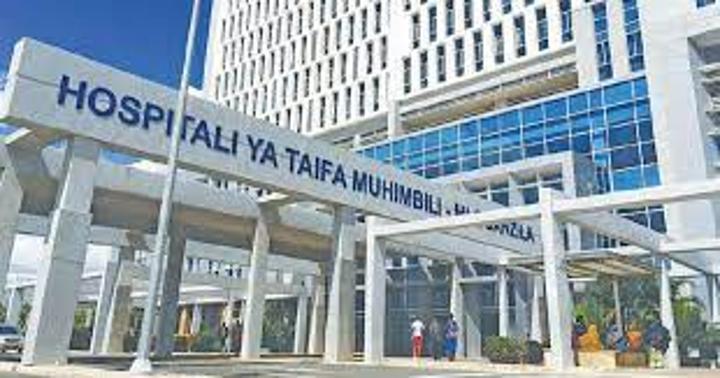
Africa-Press – Tanzania. MUHIMBILI National Hospital (MNH), through the haemophilia project has established a special physiotherapy unit for haemophilia and sickle cell patients as efforts towards accelerating access to blood disorders care in the country.
According to experts, haemophilia is an inherited bleeding disorder that slows the blood clotting process. People with this condition experience prolonged bleeding or oozing following an injury, surgery, or having a tooth pulled.
The national referral hospital is currently implementing a three-year haemophilia project aimed at improving public access to blood disorder services. The project is funded by Novo Nordisk Haemophilia Foundation and Novo Nordisk Foundation.
“The MNH had no a special physiotherapy and physical rehabilitation unit for haemophilia patients, we express our gratitude to the funders of this project who enabled us to establish this unit,” said MNH Executive Director Professor Lawrence Museru when receiving physiotherapy equipment donated through the project.
He said that the medical equipment will improve the provision of physiotherapy services to haemophilia and sickle cell patients. “Today we are receiving physiotherapy equipment worth 83.5m/- from the project in order to improve physiotherapy and physical rehabilitation services,” he said.
Prof Museru noted that in addition to the physiotherapy equipment, the project also facilitated training to 34 physiotherapists from 26 hospitals in the country. He said introduction of the project has increased access to services by haemophilia patients and increased efficiency because to date they have managed to do a lot among others setting special clinic for haemophili and sickle cell patients.
Prof Museru also said that through the project they MNH managed to renovate two rooms and purchase office equipment at Morogoro Regional Referral Hospital and purchase of laboratory equipments. He said that haemophilia is not well known to people and health providers because it is among the neglected diseases, noting that the training of health personnel will help to increase efficiency in service delivery.
Prof Museru futher noted that, the process is under way to procure laboratory reagents for health facilities involved in the project which will cost 181m/-. The hospitals which will be provided with reagents include MNH, Benjamin Mkapa Hospital in Dodoma, Bugando Referral Hospital in Mbeya, Bugando Referral hospital, Kilimanjaro Christian Centre and Morogoro Regional Referral Hospital. Haematologist at MNH, Dr Stella Rwezaura, who is also the Project Coordinator, said that the project aimed at accelerating access to blood disorders care in the country, especially haemophilia and sickle cell.
She said that if haemphilia patients are not well treat the condition may lead to disabilities thus why the project included training for physiotherapists as an integral part in treating the patients.
The projects has five components among other capacity building to facilitate establishment of clinics for haemophilia patients, diagnosis, haemophilia registry, empowerment especially to patients associations and advocacy so as to make these service sustainable. Earlier, Head of Rehabilitative Medicine at MNH Abdallah Makalla said that said that only few physiotherapists are aware of haemophilia thus the training will enable the professionals to improve care of the patients.
“Physiotherapists are integral part of the team in ensuring that rehabilitative after every bleed,” he said. Basing on the Tanzania’s population, people with haemophilia are estimated to be between 6,000 and 12, 000 and evenly distributed in the country, while those who have been diagnosed and have started treatment are 167.
For More News And Analysis About Tanzania Follow Africa-Press