

Africa-Press – Tanzania. TANZANIA Agricultural Research Institute (TARI) Makutopora centre said it will continue to assess grape varieties grown in other countries in a bid to improve and increase domestic production.
The Center Director, Dr Cornel Massawe said TARI continues to communicate with other countries in the world that produce grapes to collect varieties of grapes so that they can evaluate them in their characteristics for new variety development.
“In addition to researching these characteristics, we also look at varieties that are less susceptible to diseases, especially two major grape-resistant diseases that are downy mildew and powdering,” he said.
He said that they also look at varieties that are not susceptible to ants and drought tolerant. Dr Massawe said the selection of seeds, planting and handling are fundamental for a farmer to know the types of grapes and their uses and benefits so that he/she can know what grapes he/she to grow.
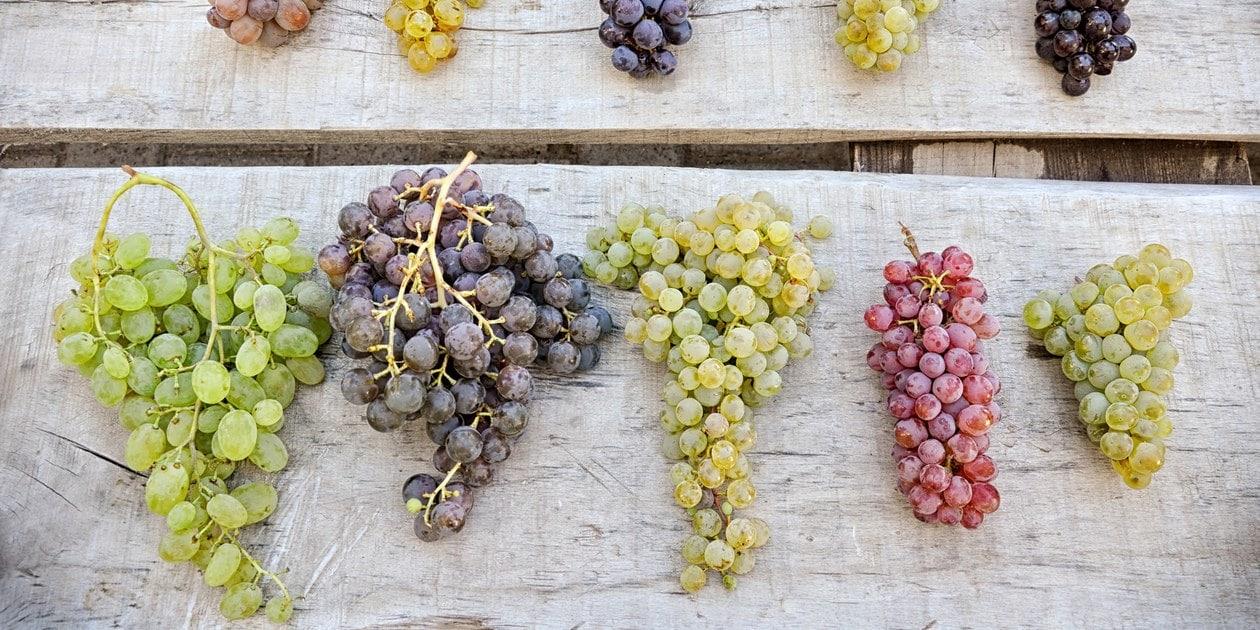
There are different types of grapes, depending on the uses that fall into three categories. The most popular is grapes for wine or juice. These grapes have a small texture, a thin crust and a lot of sauce.
This group includes red Makutupora, Chenin blanc, Syrah, Colombard blanc and tintacao. Characteristics of these wine grapes, apart from having medium-sized berries, require normal irrigation in the field compared to table and raisins varieties and have sufficient juice for winemaking. Another one is Table grapes.
These grapes are used as a fruit, have a large texture, with a lot of meat and a little sauce, they have loose bunches and thicker skin, which make it easy to eat, and require intensive irrigation in the field, and they have moderate juice.
This group includes Regina, Makutupora white, Black rose, Alphonce lavallee, and Tajit Roservij. The third is drying grapes. These grapes are usually seedless, small in shape, have thin skin and slightly broth. After drying it is used as a spice.
This group includes Beauty Seedless, Ruby Seedless, Kismis creven, Queen of the vineyard, and Halili Berry. To make sure that the farmer does not get stuck due to financial constraints and other challenges, they are usually advised to start with smaller farms that they can manage.
Sometimes when farmers harvest maize and sorghum, grape farmers usually collect the leaves and stalks and use them as fertilizer, but it is not advisable because ants are very fond of attacking stalks due to the weather condition in Dodoma.
Dr Massawe said that, if farmers follow expert advice, they can harvest 14 to 15 tons of grapes per hectare.
In the past due to poor technology and before TARI introduced new varieties, technology and expertise, one hectare used to produce only 2-3 tonnes, which demoralized many farmers.
The leading producer of grapes in Africa is South Africa followed by Tanzania, according to the harvest volume report from South Africa Table Grape Industry (SATI)website, medium and low-quality winemaking varieties can yield 20-40 tons per hectare or even more.
The report stated that the final volumes for the 2020/21 grape export season have just been released, and they confirm a final export crop of 10 per cent higher than the previous record of 2016/17.
In the United States, yields are described as tons per acre as well. Most vineyards produce on average between two and ten tons of grapes per acre.
Of course, it depends on what kind of grapes, the skin-to-seed-tojuice ratio, and things like weather (rain just before harvest will add to the liquid content of the grapes), as well as the method of making red wine as compared to white wine. So there is no guarantee of harvesting such a volume of grapes.
In South Africa, an Industry survey shows wine grape producers made 28 per cent profit in 2019, up from 15 per cent in 2015. Profitability is slowly returning to the wine industry after years of decline. … A non – profit company which represents close to 2600 South African wine producers, cellars and industry stakeholders, Vinpro said the average South Africa wine grape producer earned a net farming income of R20,617/ha in 2019, 37 per cent higher than in 2018.
The Wine of South Africa (WoSA) Chief Executive Officer, Siobhan Thompson, is delighted that the 2021 harvest has proven to be somewhat of a silver lining for the South African wine industry, that will no doubt further bolster their international positioning.
“What stands out above all else is the consistency in quality that we have come to see over recent years. This will go a long way towards convincing those who may still have been on the fence and reinforce our overall standing alongside our international competitors. It is also very promising to note that the volume and value of wine exports from South Africa are higher compared to the year on year figures in 2020 and 2019.” noted Thompson.
South Africa is the ninth biggest wine producer in the world and produces about 4 per cent of the world’s wine. The wine industry contributes more than R55 to the country’s gross domestic product (GDP) and employs 269,069 people throughout the value chain, of which 80 183 work on farms and in cellars.
Currently, Tanzania is the second largest producer of grapes in Sub –Sahara Africa after South Africa. During 2018/19 the country produced 16,139 tones of grapes, as reported by the Ministry of Agriculture.
Tanzania’s wine production stood at 122,200 litres in 2015, this is according to the latest data published in a market study of the Lutheran World Relief. Globally, Tanzania’s wine is currently high in the world market against famous brands from Italy, French, Germany Britain America, China and South Africa.