

What You Need to Know
The Office of the Treasury Registrar (OTR) is reviewing the plans and budgets of public institutions to enhance their contributions to Vision 2050. This initiative involves 50 staff members analyzing the budgets of 252 institutions to assess their preparedness for implementing national development strategies and mobilizing financial resources for the upcoming fiscal year.
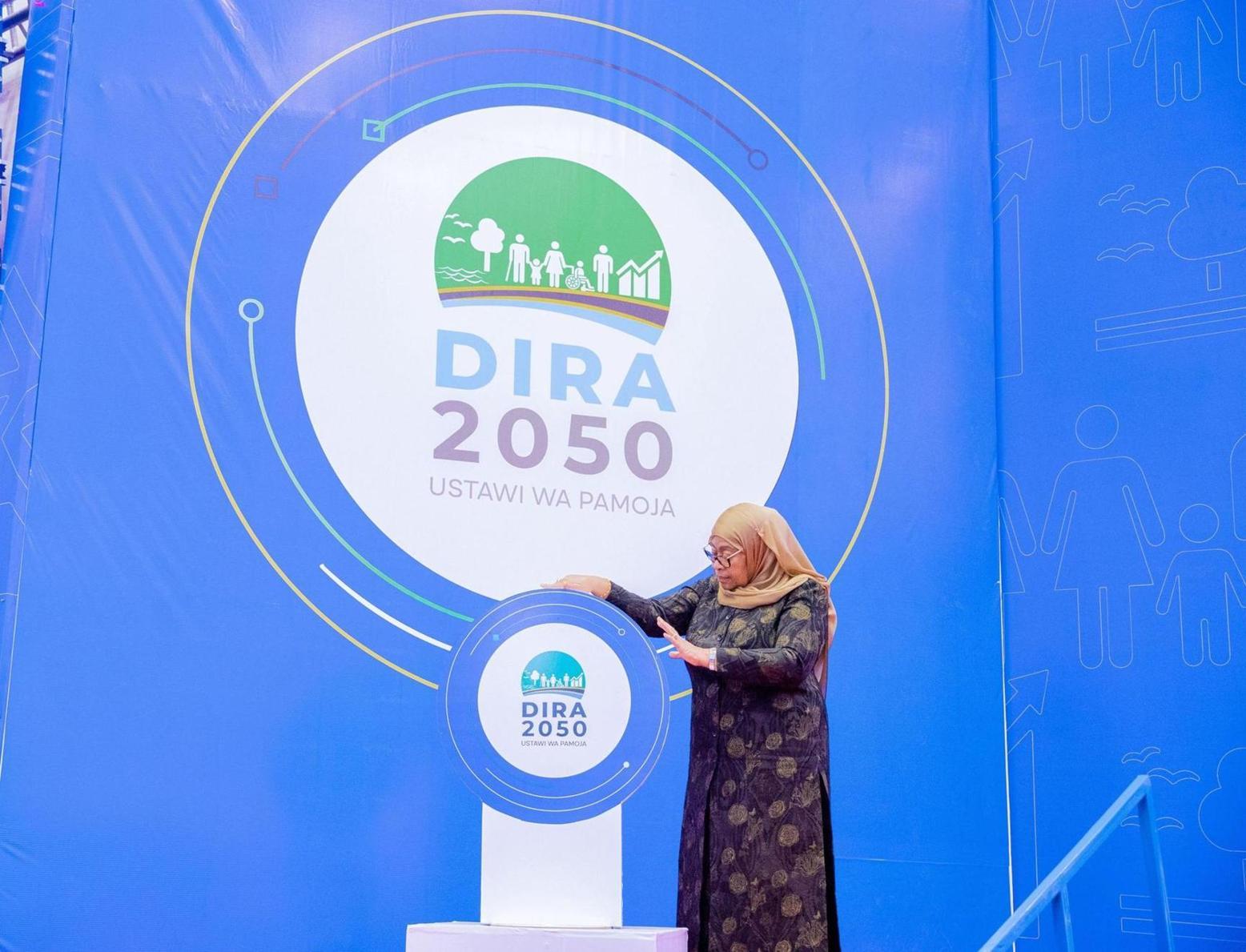
Africa-Press – Tanzania. THE Office of the Treasury Registrar (OTR) has commenced an exercise to analyse plans and budgets of public institutions and organisations aimed at strengthening their contribution to the implementation of Vision 2050.
OTR Assistant Director for Evaluation of Non-Commercial Public Institutions, Mr Joseph Mwaisemba, said the exercise has brought together 50 staff at the Mwalimu Nyerere Leadership School to review budgets of 252 public institutions.
He said the analysis seeks to assess the preparedness of the institutions in implementing Vision 2050 in line with the Fourth Five-Year National Development Plan (FYDP IV).
“What we are doing is conducting an in-depth review of plans of public institutions and organisations to determine how they contribute to the implementation of Vision 2050 and national development plans in general,” he stressed.
Mr Mwaisemba said that the exercise also involves analysing strategies adopted by the institutions in mobilising financial resources for the 2026/27 fiscal year. He noted that the OTR oversees 308 institutions, including 252 majority government-owned and 56 minority government-owned entities, with total investments valued at 92.3tri/-.
According to him, the OTR and its affiliated institutions are expected to collect 1.8tri/- in non-tax revenue in the 2026/27 fiscal year, contributing to the government budget estimated at 62tri/-.
“Therefore, the exercise is crucial in ensuring that government goals are achieved,” he said.
Mr Mwaisemba stated that the exercise is legally guided by Section 10(2)(c) of the Treasury Registrar Act, Cap. 370, and Section 17(a) of the Budget Act, Cap. 439, which mandate the OTR to analyse plans and budgets of institutions under its supervision.
He said the objective is to approve annual plans and strategies of public institutions and integrate them into the National Development Plan for effective implementation and resource mobilisation.
He said that experts were reviewing resource allocation by examining the balance between recurrent expenditure, development projects and institutional contributions to the central government budget. Priority is also being given to assessing institutions’ readiness to implement development projects, using both government funds and internally generated resources.
Upon completion, the approved budgets will be uploaded into the government Planning and Budgeting System (PlanRep), followed by quarterly monitoring to ensure implementation of agreed targets.
Mr Mwaisemba called on public institutions and organisations to cooperate fully to ensure efficient utilisation of limited resources in planning and implementation of development programmes.
“The efficiency of each institution in executing its responsibilities will directly reflect the success of implementing Vision 2050 and national development plans,” he added.
The Vision 2050 initiative aims to guide Tanzania’s long-term development goals, focusing on sustainable economic growth and improved living standards. The Fourth Five-Year National Development Plan (FYDP IV) serves as a framework for aligning public institutions’ strategies with these goals, emphasizing the importance of effective resource allocation and institutional readiness for development projects. This review process by the OTR is crucial for ensuring that public institutions contribute effectively to national objectives and utilize resources efficiently.