
Africa-Press – Tanzania. Dar es Salaam
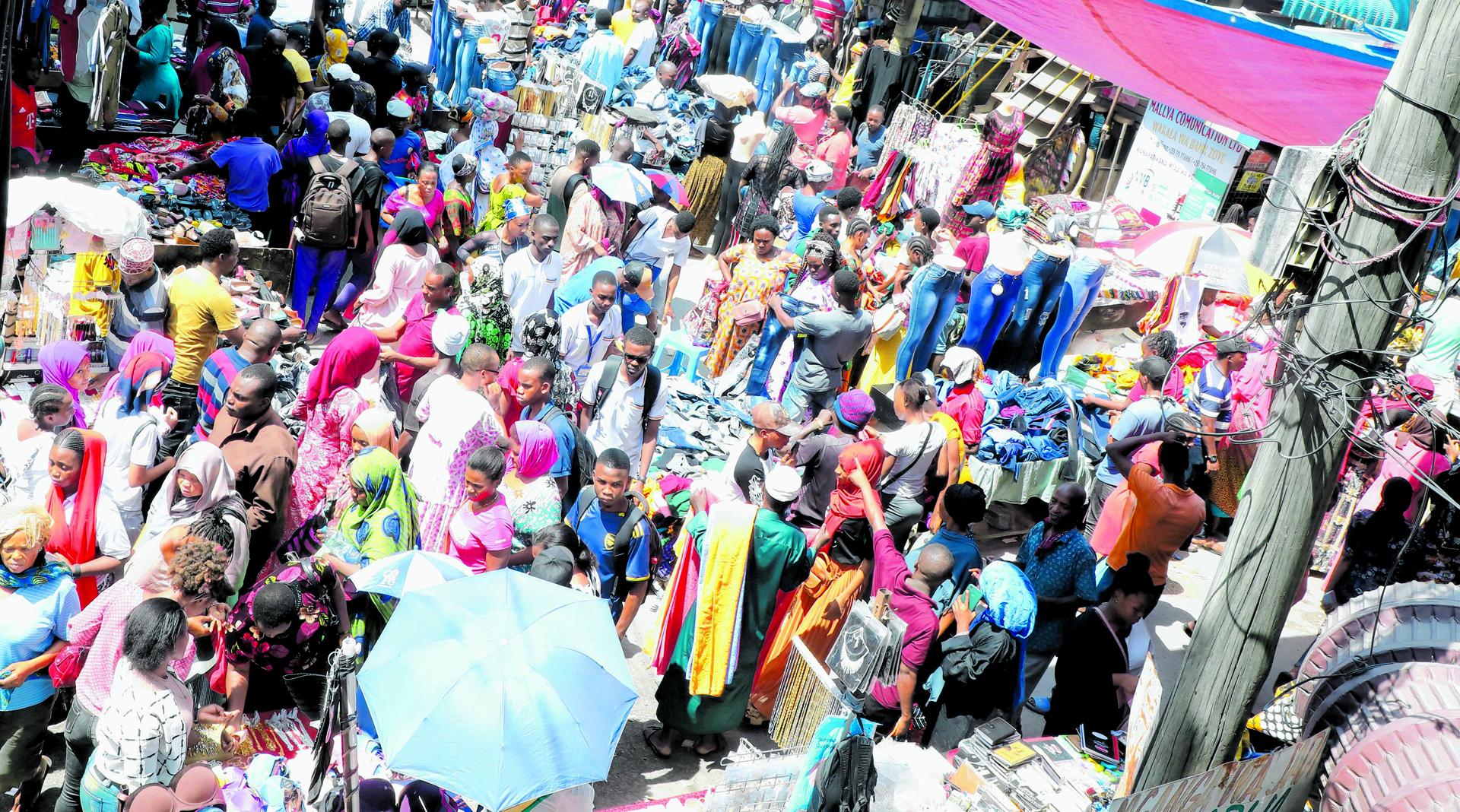
. The pace at which Tanzania’s informal sector is growing has prompted concern over the quality of jobs which expose workers to unfavourable conditions.
People employed in the informal sector have limited access to social protection due to low earnings and contribute less to tax collections.
The National Bureau of Statistics’ latest labour force survey indicates that employment in the informal sector increased from 22 percent of total jobs in 2014 to 29.4 percent in 2020/2021.
Employment in rural areas increased from 9.1 percent to 19.6 percent during the same period, while in urban areas it increased from 39.7 percent to 52.5 percent, according to the data agency.
Dar es Salaam has the highest number of informal jobs, which increased slightly from 61.5 percent to 62 percent, according to the Integrated Labour Force Survey.
Economists and other stakeholders who spoke in separate interviews with The Citizen said the surge in informal sector employment is a concern, implying that the country has yet to fully utilise its labour force through the formal sector.
The concerns are due to the fact that the informal sector does not guarantee the workers’ welfare, leaving them likely to be exposed to vulnerable and precarious working conditions and less rewards and benefits.
The chairman for the Institute of Management and Entrepreneurship Development (IMED), Dr Donath Olomi, said in order to address these issues, the State needs to formulate policy and legal frameworks that would recognise activities involved in the informal sector.
“One of the means is to include them in infrastructure planning, such as through allocating for specific business areas for hawkers which will be recognised legally, and thus ensure stability for those involved,” he said.
Dr Olomi added that being a huge part of the economy, the informal sector has yet to realise its potential because its rights are not protected and the quality of employment is deteriorating as the current frameworks do not work in their favour.
Apart from the legal framework, the state has also been advised to improve the access to resources such as finance and markets so as to improve their income generations.
A senior economists and consultant, Prof Samuel Wangwe, said, “More support and motivation is needed in the informal sector as it is dominated by low productivity and low income.”
Prof Humphrey Moshi of the University of Dar es Salaam said that the private sector needs to join the government’s efforts in creating more employment opportunities so that more youth can be absorbed into the formal sector.
He said the education system also needs to align with the required skills in the available labour markets.
“By promoting industrialisation, it might also be a good initiative to expand the formal sector employment and youths will be able to gain good salaries,” said Prof Moshi.
Moreover, in its published report, the NBS recommended that it’s critical for the government to improve the business environment to facilitate the formalisation of the informal sector in well developed areas of operations and create a well-coordinated infrastructure for tax collection.
For More News And Analysis About Tanzania Follow Africa-Press