
What You Need to Know
The Tanzanian government is addressing the water crisis in Singida Municipality with a 46 billion project. This initiative, part of the Small Towns Water Supply Project, aims to improve water access by drilling wells, constructing storage tanks, and laying pipelines. Completion is expected by the 2026/27 financial year, ensuring residents have reliable access to clean water.
Africa-Press – Tanzania. THE government has said the water govt plan project covering 38 streets in Singida Municipality is part of the broader Small Towns Water Supply Project being implemented in 28 towns at a cost of 17.7 million US dollars (about 46bn/-).
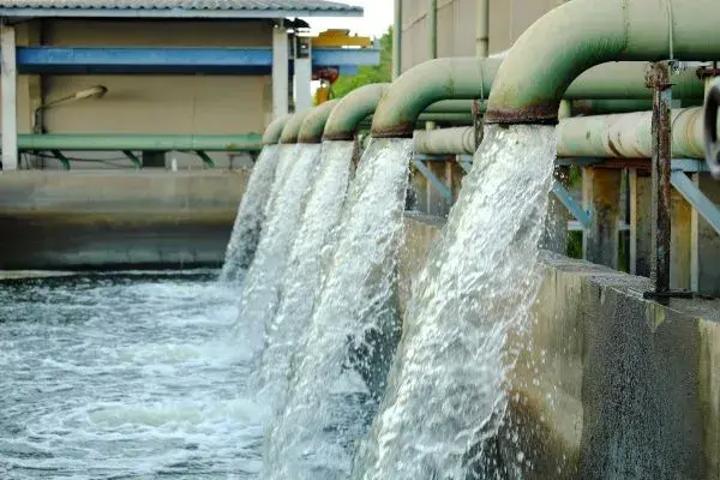
Deputy Minister for Water Kundo Mathew told the National Assembly that the project includes drilling 12 deep wells, constructing nine water storage tanks with a combined capacity of 4.1 million litres, laying 58.7 kilometres of pipelines and building a pumping station for system operations.
He was responding to a basic question from Singida Urban Member of Parliament Yagi Kiaratu (CCM), who sought to know when the project would be completed to ensure residents have access to safe and clean water.
The deputy minister said construction of key infrastructure is progressing alongside ongoing hydrogeological studies to identify reliable groundwater sources capable of meeting the project’s daily demand of 22.3 million litres.
He added that three wells have already been drilled, with a combined production capacity of more than 4.9 million litres per day.
“The government is committed to ensuring that all required wells are drilled and that the project continues as planned, with completion expected within the 2026/27 financial year, according to the contract,” he said.
Tanzania has faced significant challenges in providing clean water to its growing urban populations. The government has initiated various projects to enhance water supply in small towns, recognizing the importance of sustainable water access for public health and development. The Small Towns Water Supply Project is a key effort to address these issues, focusing on infrastructure improvements and reliable water sources. As urbanization continues, such initiatives are crucial for ensuring that all citizens have access to safe drinking water.