

Africa-Press – Tanzania. TANZANIA stands out to be a success story in connecting electricity to its people, currently covering 78 per cent of population in compari- son to 60 years ago, when almost the country was in darkness.
Ahead of the 60th independence anniversary on December 9, the government attributed the ongoing rural electrification project as key driver in fast tracking connecting many Tanzanians in rural areas.
Acting Permanent Secretary in the Ministry of Energy, Eng Felchesmi Mramba, on Tuesday said in early days after independence Tanzanians, who accessed power were only those who had worked at sisal farms and lived in houses of the Tanzania Railway Corporation.
Eng Mramba noted that six decades ago, the regions which had electricity were only Dar es Salaam and Tanga due to the operation of the railway and sisal production respectively located in them.
He said with the Rural Electrification Master Plan phase I, II and III, a total of 10,361 villages (86 percent) out of the available 12,268 villages countrywide have access to electricity.
Access to affordable, reliable and efficient electricity supply has contributed to the increased productivity needed to generate jobs, enhance the living conditions of Tanzanian households and support the attainment of the country’s socioeconomic goals. Eng Felchesmi disclosed this while outlining the ministry’s achievements, challenges and way forward as Tanzania heads to commemorate its 60 years Independence Anniversary, next month.
“In the past sixty years, Tanzania has continued to increase electricity production from 17.5 megawatts before independence to 1,609.91 megawatts by September, 2021,” said Eng Mramba.
He pointed out that the peak demand in the country has reached 1,273.42 megawatts in October, 2021, whereas the total production capacity of power plants connected to the National Grid system has reached 1,573.65 megawatts.
According to him, the power generation comprises of hydropower (36.46 percent), natural gas (57.28 percent) Oil (5.6 percent) and biomass (0.67%).
He observed that the potential of these plants includes TANESCO-owned plants that contribute (86.57 percent) and 13.43 percent from independent power producers (IPPs /SPPs).
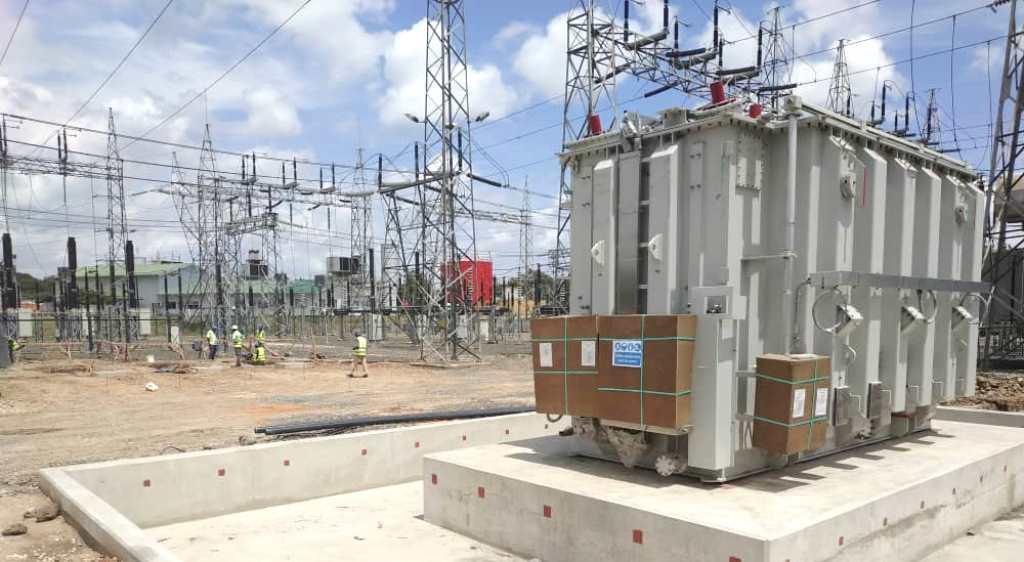
Eng Mramba identified other factors that boosted production as the establishment of power substations, construction of new substations, and the finalization of the 33 Kilovolts power transmission line (Dodoma, Iringa, Manyara, Mbeya, Morogoro, Mwanza, Njombe and Tanga). The list also included the construction of two submarine cable with capacity of 132 Kilovolts and 33 Kilovolts in Unguja and Pemba, various guidelines laws and policies governing the energy sector.
“All the above factors have contributed to the overall increase in access to electricity in the Tanzania mainland by 78.4 percent with the urban electricity access level reaching 99.6 percent and 69.8 percent for the rural,” he noted.
Equally, the initiatives undertaken by the government enabled 15,200 public institutions in the rural areas to acquire electricity through the REA project including 4,036 education institutions, business centres (5,053), water machines and boreholes (338), health facilities (1,296) and 1,113 religious institutions by March, 2020. He added: “By September, 2021 all regions in the mainland were connected to the National Grid with the exception of only four regions which are Kigoma, Katavi, Rukwa and some Districts of Kagera Region.”
He, however, noted that Kagera Region receives electricity from Zambia and Uganda’s grid. Similarly, the various initiatives undertaken by the government to embark on a mix power generation including natural gas led the suspension of hired power plants using heavy fuel oil generators including Aggreko and IPTL managing to save up to 11.5bn/- per month.
On the other hand, suspending importation of electrical equipment including poles, transformers, cables and meters into the country and encouraging local production save on average a total of 162.6bn/- annually.
The Acting PS also hinted on some discoveries which has been done particularly in the area of geothermal power generation, noting that 50 areas have been identified in areas including Songwe (Mbeya), Lake Manyara (Manyara), Lakes Eyasi and Natron (Arusha), Luhoi (RufijiPwani), where approximately 150 – 650 megawatts can be generated, thus increasing energy sources in the country.
Among other achievements being recorded include continuing with the implementation of the 2,115 megawatts Julius Nyerere Hydro Power Project (JNHPP) whereas by Septmber, 2021 stood at 55.1 percent, the 80 megawatts Rusumo project (82 percent) and the kick start of preparations for the Ruhudji 358 megawatts and Rumakali 222 megawatts among many others.
Elaborating on the issue of power outages which has been experienced recently in the various parts of the country, Eng Mramba said the problem was temporary and already they are working on it to ensure the problem is resolved
For More News And Analysis About Tanzania Follow Africa-Press