

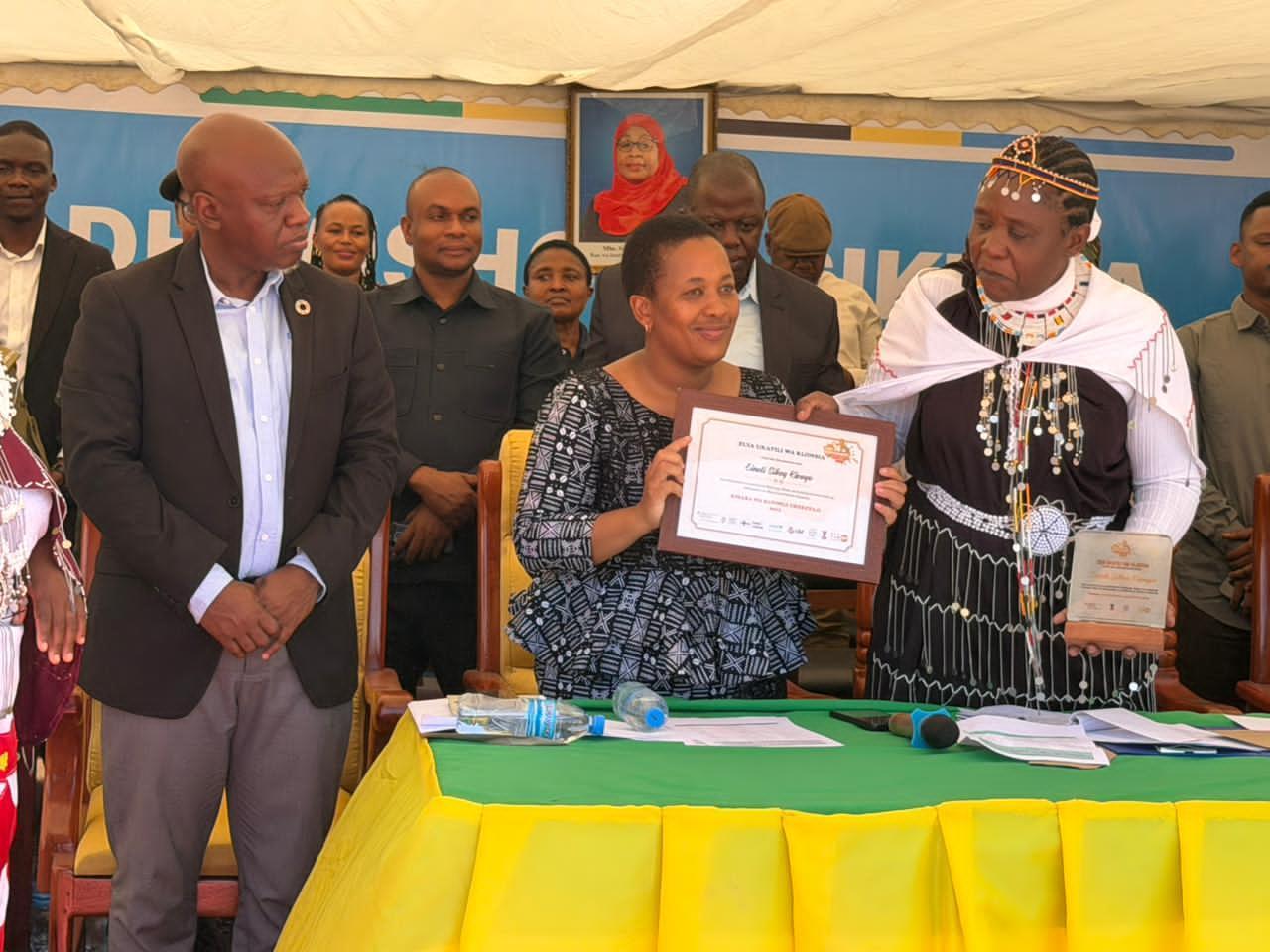
Africa-Press – Tanzania. TANZANIA joined the global community in commemorating the National Climax of the International Day of Zero Tolerance for Female Genital Mutilation (FGM), held in Monduli District, Arusha Region—one of the communities at the forefront of efforts to end the harmful practice.
The event brought together government leaders, UN agencies, civil society organizations, traditional leaders, youth, and community champions to reaffirm a shared commitment: FGM must end—everywhere, for every girl.
Speaking at the event, the Minister of Community Development, Gender, Women and Special Groups, Dr Dorothy Gwajima emphasized the Government’s firm stance:
“Female genital mutilation is a violation of human rights and a threat to the health and dignity of girls and women.
She said the Tanzanian government remains committed to strengthening laws, community engagement, and partnerships to ensure that every girl grows up safe, healthy, and empowered.
Representing UNFPA Tanzania, Dr Majaliwa Marwa, Assistant Representative, reaffirmed UNFPA’s continued support to national and community-led efforts to end FGM.
“Ending FGM requires more than policies—it requires transforming social norms. UNFPA stands with the government and communities to protect girls’ bodily autonomy and ensure a future free from harmful practices.”
A powerful moment came from Gerald, a community champion and male advocate for change, whose message resonated strongly with participants.
“We will not marry a girl or woman who has undergone FGM. Our decision is a stand for dignity, health, and the rights of girls. Harmful traditions must end with us.”
As the world marks this year’s International Day of Zero Tolerance for FGM, the global theme calls for accelerated action to end FGM through strengthened partnerships, community leadership, and the empowerment of girls and women. The national climax in Monduli reaffirmed that ending FGM is not only possible—it is already happening where communities choose change.
In a joint statement, UNFPA, UNICEF, UN Women, WHO, OHCHR, and UNESCO, emphasized that FGM is a grave violation of human rights and called for stronger laws, survivor-centered services, sustained investments, and collective action to shift harmful social norms. The statement underscores that when girls are protected, educated, and empowered, entire communities thrive.
The message from Monduli was clear FGM has no place in Tanzania’s present or future. Together—government, communities, men and boys, civil society, and development partners—we can achieve zero tolerance for FGM and ensure that every girl grows up safe, whole, and free from harm.