

What You Need to Know
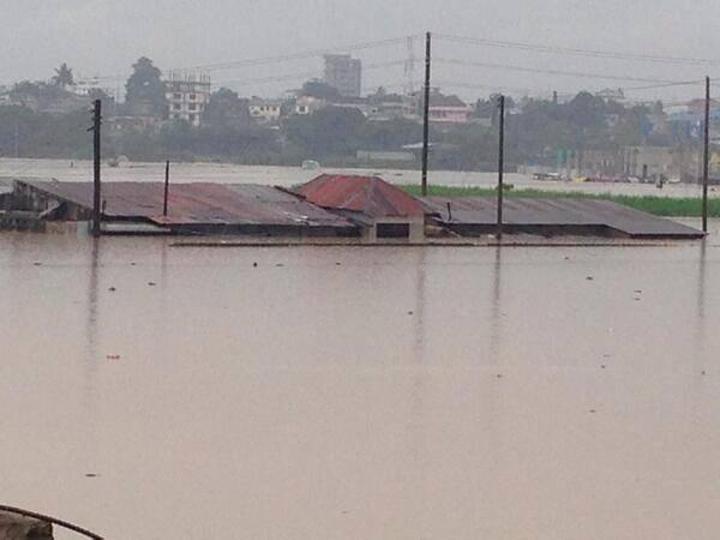
The Tanzanian government has committed to addressing the recurring floods in Morogoro Region by investing in significant infrastructure projects. Finance Minister Khamis Mussa Omar announced plans to construct flood control systems, including dams, to protect lives and property while also enhancing irrigation for agriculture during dry seasons. This initiative follows proposals from Regional Chief
Africa-Press – Tanzania. THE Tanzanian government has pledged to find a lasting solution to recurring floods in Morogoro Region, with plans to invest in major infrastructure projects to protect lives and property.
Minister for Finance Khamis Mussa Omar said the government is working on proposals submitted by Regional Commissioner Adam Kighoma Malima to address persistent flooding that disrupts communities during rainy seasons.
Speaking during a visit to the Chama Cha Mapinduzi (CCM) regional office in Morogoro, the minister said planned interventions include the construction of flood control infrastructure, such as dams, which will also support irrigation farming and livestock during dry seasons.
He noted that the visit was part of his routine to engage with the ruling party as both a minister and member of the CCM National Executive Committee, underscoring the party’s role in overseeing government implementation of its development agenda.
Morogoro CCM Regional Chairman Joseph Masunga commended the minister for recognising the party’s oversight role, noting he is the first minister to formally introduce himself at the regional office since Masunga assumed the position.
He added that CCM in the region continues to monitor government performance in implementing its manifesto, while also undertaking renovations of its regional office and calling on stakeholders to support the effort.
Morogoro Region has faced persistent flooding challenges, particularly during the rainy seasons, which disrupt local communities and agricultural activities. The government’s recent commitment to invest in infrastructure aims to mitigate these issues, reflecting a broader strategy to enhance resilience against climate-related disasters and improve agricultural productivity in the region. Historical efforts to address flooding have often been reactive, but this proactive approach signifies a shift towards sustainable development and community safety.