
What You Need to Know
The Tanzanian Ministry of Constitution and Legal Affairs has proposed a 775bn/- budget for the 2026/27 financial year, focusing on improving access to justice and strengthening the rule of law. Key initiatives include expanding legal aid services, enhancing civic education, and implementing reforms in the criminal justice system to ensure timely case resolution.
Africa-Press – Tanzania. THE Ministry of Constitution and Legal Affairs, has proposed a 775bn/- budget for the 2026/27 financial year.
Among key priorities outlined by the ministry include improving access to justice, strengthening the rule of law and supporting economic development through a robust legal framework.
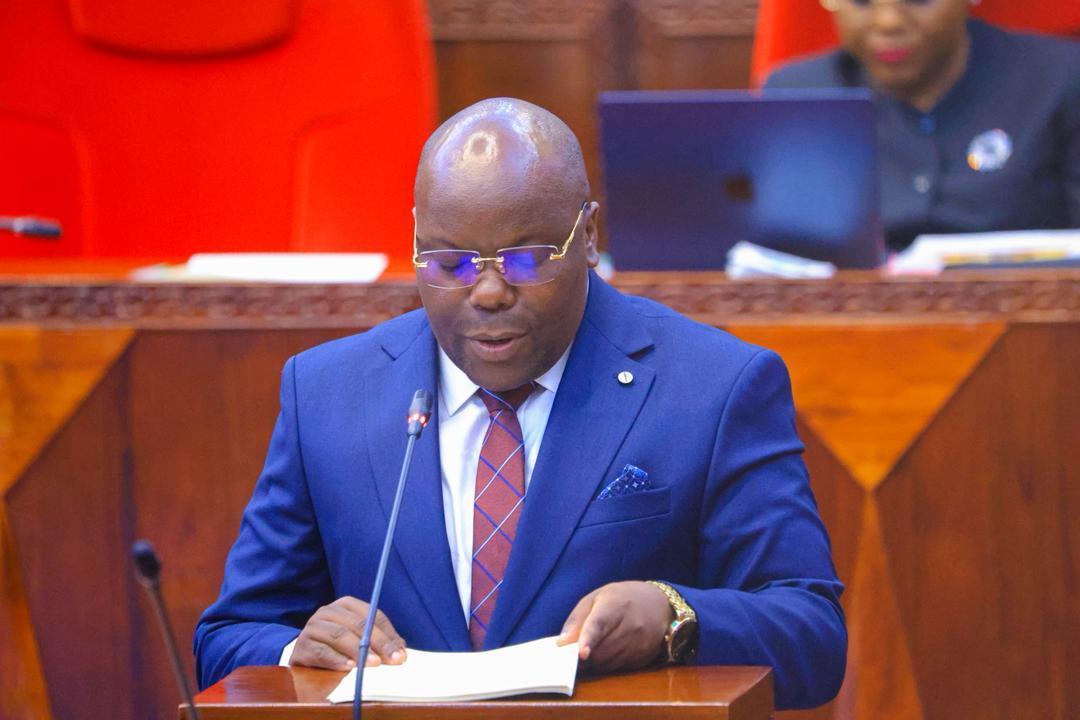
Presenting the budget estimates in the House yesterday, Minister Dr Juma Zuberi Homera, said the budget will prioritise expansion of legal aid services, particularly for vulnerable groups, while enhancing civic and constitutional education to deepen public understanding of rights and laws.
He said the ministry will also intensify reforms in the criminal justice system by implementing recommendations of a special commission and strengthening justice delivery mechanisms to ensure timely resolution of cases.
“We will continue to strengthen alternative dispute resolution (ADR) systems to reduce case backlog in courts and speed up access to justice,” Dr Homera said.
The minister noted that the government will also enhance human rights protection by aligning national frameworks with regional and international standards, while strengthening cross-border legal cooperation to address emerging transnational crimes.
He added that the ministry will promote the use of Kiswahili in the legal sector, including in drafting, translation and review of laws, to make them more accessible to citizens.
At the same time, the government will continue strengthening oversight of natural resource contracts and negotiations to safeguard national interests, while increasing public awareness of legal frameworks governing key sectors.
Dr Homera said the ministry will further expand the use of Information and Communication Technology (ICT) to improve efficiency in delivering legal services, alongside investing in human capital development.
He revealed that between July 2025 and March 2026, a total of 7,462,387 citizens accessed legal aid services through various platforms, including prisons, national exhibitions and special events such as International Women’s Day, Youth Week and Public Service Week.
Of those reached, 3,851,101 were women and 3,611,286 men, reflecting strong participation by women in accessing legal support services.
During the period, a total of 5,209 disputes were received for resolution, with 2,545 successfully settled while 2,664 cases remain under review in various decision-making organs.
According to the minister, land disputes accounted for the largest share at 32 per cent, followed by claims (15 per cent), inheritance (13 per cent), property-related disputes (14 per cent), child maintenance (8 per cent), gender-based violence (4 per cent), criminal matters (3 per cent), employment disputes (3 per cent) and others (8 per cent).
Meanwhile, the Parliamentary Standing Committee on Administration, Constitution and Legal Affairs has urged the government to ensure timely disbursement of funds to facilitate effective implementation of planned activities.
Presenting the committee’s views, Chairperson Dr Yahaya Nawanda said the ministry had received only 66.56 per cent of its approved budget by February 2026, below the expected 75 per cent, affecting execution of some development projects.
“Efforts must be strengthened to ensure funds are released on time to support implementation of programmes and projects,” he said.
The committee also raised concerns over revenue collection challenges in some institutions, calling for realistic revenue projections to enhance efficiency.
It further noted shortages of office infrastructure in some regions, which limit access to legal services, urging the government to construct or allocate permanent offices to reduce rental costs and improve service delivery.
On development projects, the committee called for close supervision and firm action against contractors who delay implementation without valid reasons.
The committee also recommended that all laws translated into Kiswahili be officially gazetted and widely disseminated to improve public access and legal awareness.
Of the proposed 775bn/-, 484.9bn/- has been allocated for recurrent expenditure, 152.4bn/- for salaries and 137.4bn/- for development projects.
Tanzania has been working to enhance its legal framework and improve access to justice for all citizens. The government recognizes the importance of a robust legal system in supporting economic development and protecting human rights. Over the years, various initiatives have been launched to address legal aid accessibility, particularly for vulnerable populations, and to strengthen the rule of law across the nation. Recent budget proposals reflect ongoing efforts to align national legal frameworks with international standards and improve public understanding of legal rights.