

What You Need to Know
Tanzania’s government is addressing the financial drain of State-Owned Enterprises (SOEs) with the introduction of the Public Investment Bill. This legislation aims to reform underperforming entities, ensuring they contribute positively to the economy rather than burden taxpayers. Key measures include competitive recruitment for leadership and centralized oversight to enhance operational autonomy.
Africa-Press – Tanzania. FOR decades, the performance of our State-Owned Enterprises (SOEs) has been a tale of two realities. On one hand, we have seen stellar performers in banking and telecommunications delivering record dividends. On the other, some of our 253 Public and Statutory Corporations (PSCs) have devolved into a persistent financial drain on public coffers.
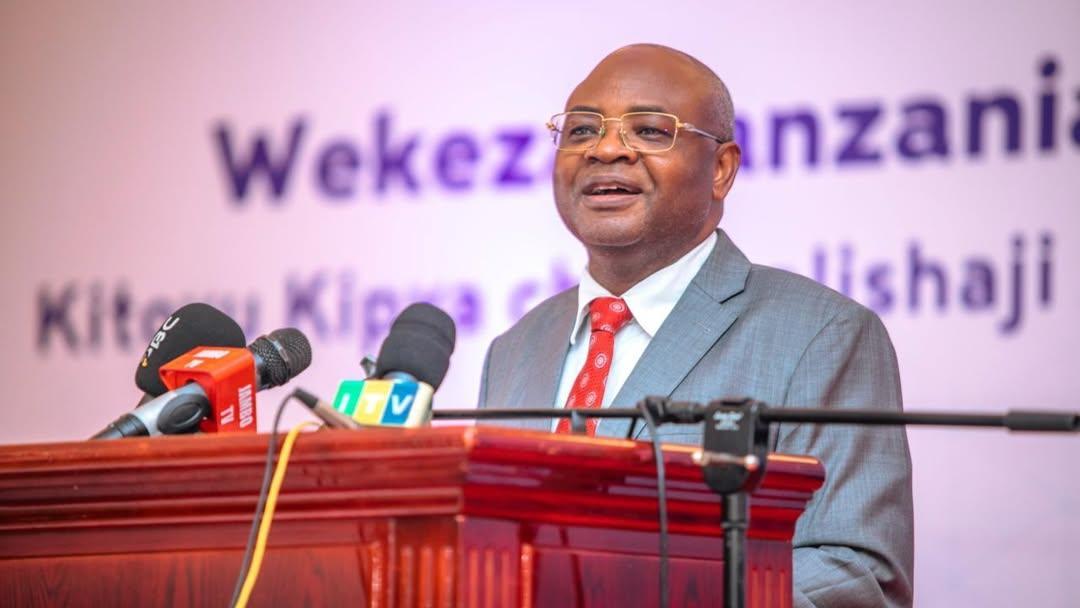
The tabling of the Public Investment Bill in Parliament by the Minister of State in the President’s Office (Planning and Investment), Prof Kitila Mkumbo, is a long-overdue intervention. By aiming to finalise this Bill in the 2026/2027 financial year, the government is taking decisive action regarding the SOEs that have become liabilities rather than the productive assets they were intended to be.
When a state entity requires constant bailouts and subsidies just to meet its operational costs, it ceases to be a tool for development and becomes a burden on the taxpayer. These corporations do more than just lose money. They stifle competition and consume our meagre resources that could otherwise be directed toward healthcare, education, or infrastructure. The message from the 2026/27 budget estimates is clear: The era of the “blank check” is over.
At the heart of this reform is the introduction of competitive recruitment for Chief Executive Officers and Boards of Directors. For too long, leadership in some institutions has been viewed through the lens of administrative appointment rather than corporate merit. By mandating a professional, competitive process, the Bill seeks to instill a private-sector ethos where professionalism is the standard, not the exception.
The proposed Public Investment Management Authority and the Public Investment Fund are strategic moves to centralise oversight. A unified national perspective will allow the government to distinguish between entities that provide essential social services and those that operate commercially. For the 35 commercial SOEs, the Bill offers a path to greater operational autonomy but this freedom comes with a caveat. Autonomy will be paired with “robust performance management systems” to ensure that state capital is actually working to grow the economy.
With the Office of the Treasury Registrar (OTR) currently monitoring 341 privatised entities including 159 factories and 73 farms, the task ahead is massive. Strengthening the OTR’s capacity to liquidate non-profitable assets and restructure underperforming organisations is not just housekeeping; it is a vital economic necessity.
As we look toward Vision 2050 and the goal of a trillion-dollareconomy, we cannot afford to drag the weight of inefficient parastatals. The Public Investment Bill is the roadmap for transforming these entities into engines of growth.
It is now up to Parliament to ensure that this legislation has the power to turn “financial drains” back into national treasures. Tanzania’s economic future depends on it.
For decades, Tanzania’s State-Owned Enterprises (SOEs) have faced challenges, with some performing well while others have become financial liabilities. The government’s recent move to introduce the Public Investment Bill is a significant step towards reforming these entities, aiming to transform them into productive assets that support national development. This initiative reflects a broader trend in many countries to improve the efficiency and accountability of public enterprises, ensuring they serve the public good effectively.