

Africa-Press – Tanzania. AS the government, through various institutions, battles pollution, the country is said to be facing another environmental challenge posed by the effects of toxic chemicals contained in plastic pellets, a new study has found.
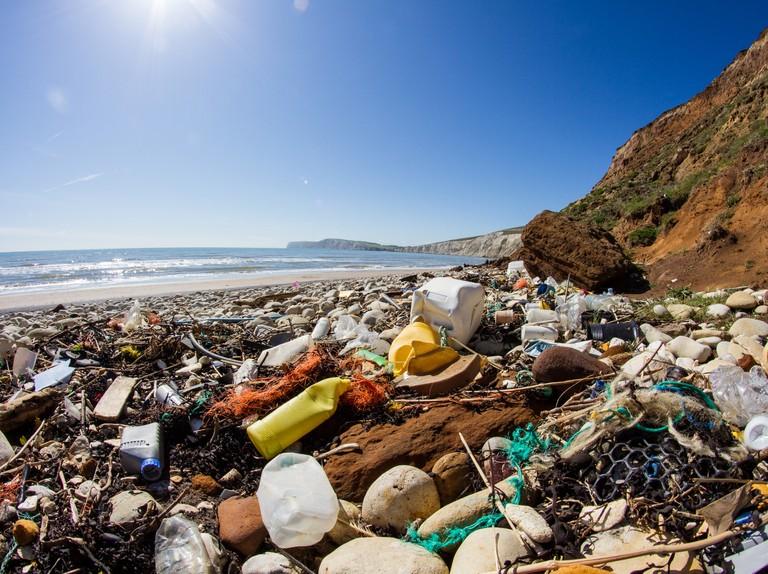
Plastic pellets are the materials that are used to produce plastics. They are known to leak out during production and transport and are found on beaches all over the world.
It was observed that globally some plastic pellets contain hazardous chemicals, such as brominated flame retardants, benzotriazole UV-stabilisers and bisphenols which are dangerous to people’s health and environment.
A study carried out in over 20 countries across the globe revealed that the presence of toxic chemical additives and pollutants pose multiple health threats to humans and the environment.
The health effects include causing cancer or changing hormone activity (known as endocrine disruption), which can lead to reproductive, growth, and cognitive impairment.
Due to this fact, the local Non-Governmental Organisation called Tanzania Alliance for Biodiversity (TABIO), under the coordination of Agenda for responsible environment in collaboration with the International Pollutants Elimination Network (IPEN) and International Pellets Watch, conducted a study on plastic pellets disposed along beaches of Dar es Salaam in 2019.
According to TABIOs coordinator Abdallah Mkindi, they collected plastic pellets that were then tested in laboratory to identify hazardous chemicals. The study report, which was released this month, indicates that comparing to other countries globally, Tanzania was slightly polluted with the toxic beach plastic pellets.
Mr Mkindi attributed the Tanzania’s success to government’s efforts to control uses of plastic products such as plastic bags. However, we call upon the government to continue strengthening the control on the use of plastic products, Mr said.
The IPEN says the new global studies indicate that plastics present much greater threats, especially to low and middle income countries that are not primarily responsible for plastics production or consumption, and do not have the capacity to manage the risks associated with toxic chemicals.
It is estimated that over 10,000 chemicals are present in plastics; around 5,000 of these are chemical additives that contribute to the function of products.
“Many of these chemicals are toxic, yet only a few are subject to regulatory control,” it was stated.
Recycling is often presented as a solution to the problems caused by the massive overproduction of plastics and its extensive use.
However, IPEN has previously shown that toxic additives in plastics are a major obstacle to create a circular economy.
The IPEN suggests that plastics containing hazardous chemicals should not be recycled but considered noncircular. IPEN´s most recent study of chemicals in recycled pellets clearly shows that plastics recycling are not currently a viable solution since all samples contained hazardous chemicals.
This indicates that recyclers lack information and capacity to conduct source separation, and that recycling of plastics containing hazardous chemicals creates a toxic loop that reintroduces harmful legacy chemicals into new products.
For More News And Analysis About Tanzania Follow Africa-Press