
What You Need to Know
Tanzania is actively seeking to attract more investment from Austria, with 17 projects already registered worth $36.14 million. This initiative is part of the National Development Vision 2050, which aims to transform Tanzania into a high-income, industrialized economy. Key sectors for investment include agriculture, tourism, and mining, as both countries explore enhanced economic cooperation.
Africa-Press – Tanzania. TANZANIA is seeking to attract more investment from Austria, with 17 Austrian backed projects worth 36.14 million US dollars (about 92bn/-) already registered in the country.
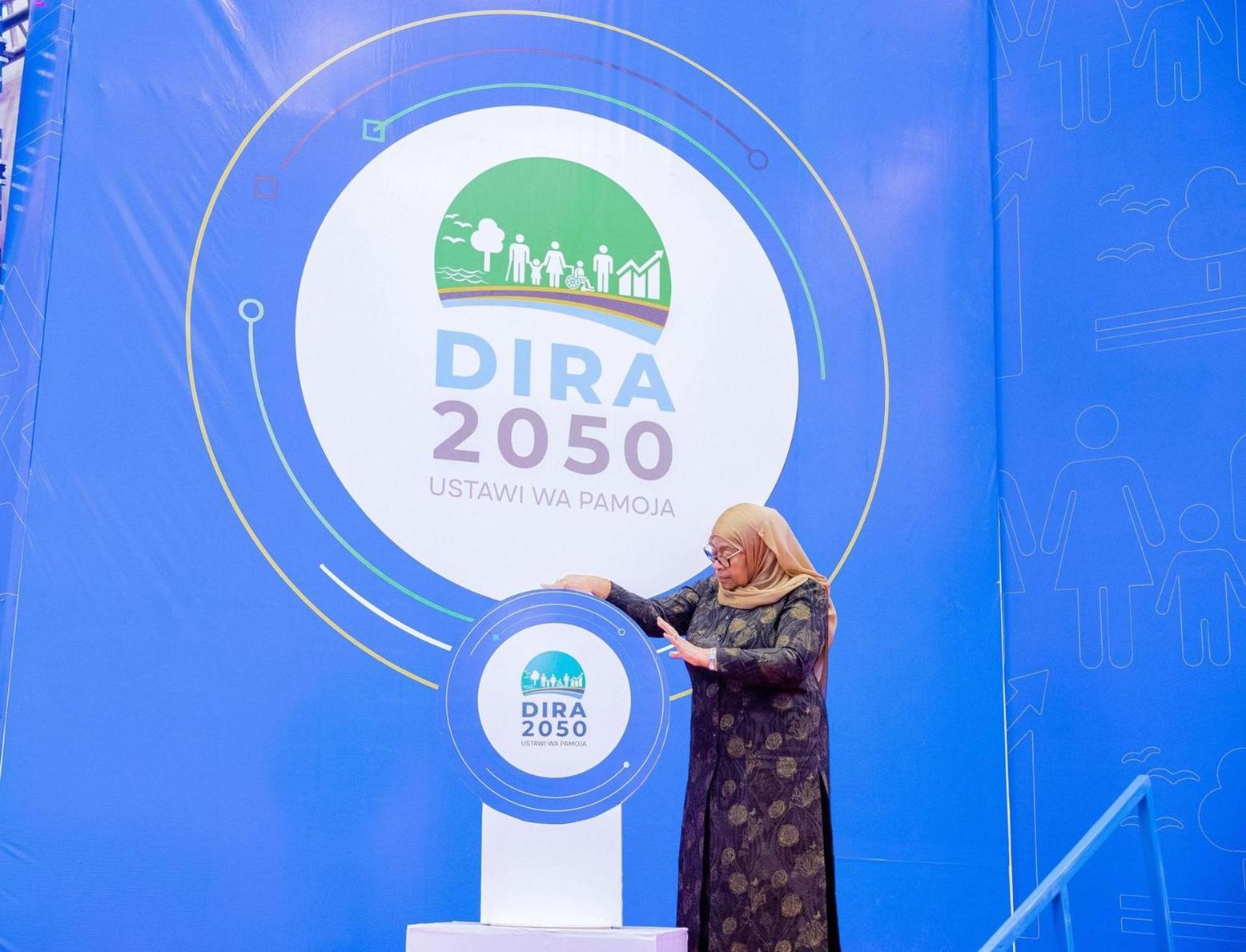
The move comes as the two countries explore opportunities to strengthen trade and investment ties under the National Development Vision 2050.
Deputy Minister of State, President’s Office, Planning and Investment, Dr Pius Chaya, said this in Dar es Salaam during talks with Austria’s Deputy Minister of Foreign Affairs in charge of political affairs, Ambassador Dr Hannah Liko.
Dr Liko is on a three-day working visit aimed at expanding economic cooperation between the two countries. During the discussions, Dr Chaya outlined key priorities under the Vision 2050, which seeks to transform the country into a high-income, industrialled economy valued at 1 trillion US dollars.
He said sectors such as agriculture, tourism, industry, mining and the blue economy will drive economic transformation. Dr Chaya noted that Tanzania continues to position itself as a regional market gateway of over 450 million people, making it an attractive destination for investors.
“An average economic growth rate of 6.1 per cent over the past two decades reflects the stability of the investment environment,” he said.
He also commended Austria’s Africa Strategy, which promotes trade and supports Small and Medium-sized Enterprises (SMEs). Deputy Minister for Industry and Trade, Mr Denis Londo, said Tanzania remains ready to strengthen strategic cooperation with Austria in key sectors.
“We are inviting investors from Austria to explore opportunities in industry, agriculture, trade and mining to stimulate economic growth,” he said. Ambassador Liko said Austria is committed to strengthening cooperation with Tanzania in areas such as education, employment and tourism.
She added that Austria will continue to provide scholarships for Tanzanians and expand collaboration with Arusha Technical College as part of its Africa Strategy (2026–2029).
She also commended the government for effective management of development projects funded by the European Union, including road infrastructure improvements.
Tanzania’s Vision 2050 outlines a strategic plan to elevate the nation into a high-income economy by focusing on industrialization and sustainable development. This vision is crucial as Tanzania positions itself as a regional hub for trade and investment, leveraging its strategic location and abundant resources. The collaboration with Austria reflects Tanzania’s broader strategy to engage with international partners to boost economic growth and development across various sectors, including agriculture and tourism.