
What You Need to Know
Wazo Mwang’onda, leader of the National Uhuru Torch Race, has mandated compensation for residents impacted by the Hondogo–Shija road project within five days. This 4.16-kilometre road aims to enhance transport and economic activities in Ubungo District. Mwang’onda emphasized the importance of timely compensation to prevent project delays and ensure quality standards are met by the contractor.
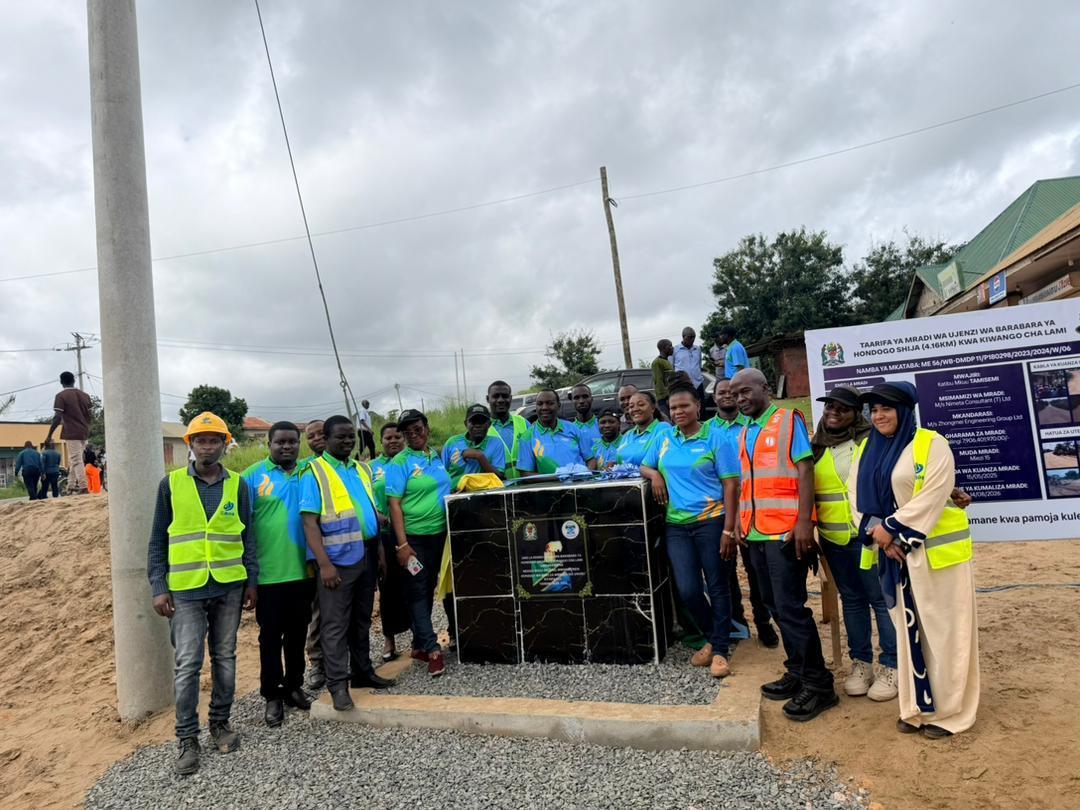
Africa-Press – Tanzania. THE National Uhuru Torch Race leader, Wazo Mwang’onda, has ordered authorities to compensate all residents affected by the Hondogo–Shija road project within five days, as he laid the foundation stone for its construction in Ubungo District.
The 4.16-kilometre tarmac road project is expected to ease transport and boost economic activities in the area and surrounding parts of the city.
Speaking ahead of the launch, Mwang’onda commended the government for continued investment in road infrastructure, noting its impact on improving livelihoods and driving socio-economic development.
Additionally, he stressed the need for the contractor to adhere to quality standards and complete the project on time, in line with contractual agreements.
Mwang’onda said timely compensation for affected residents is crucial to avoid delays and ensure smooth project implementation, while also strengthening cooperation between the government and the community.
The Hondogo–Shija road forms part of broader government efforts to upgrade urban infrastructure, improve mobility and unlock economic potential in fast-growing districts such as Ubungo.
The Hondogo–Shija road project is part of Tanzania’s broader initiative to improve urban infrastructure, which is crucial for economic growth. Investments in road construction are seen as vital for enhancing mobility and facilitating trade in rapidly developing areas like Ubungo. The government’s commitment to infrastructure development reflects its strategy to boost socio-economic conditions and improve the quality of life for residents in urban settings. Historical investments in road networks have often led to significant improvements in local economies and community connectivity.