
Africa-Press – Tanzania. TANZANIA is a big country as it covers an area of 945,087 km² with the population of about 59,734,218 people, according to UN latest estimates.
Considering the size of the country and population, it is obvious that domestic and industrial waste production is relatively high, so is littering.
In the circumstances, frequent cleanliness campaigns are needed to remind residents and traders that they have the responsibility to keep their areas always clean and garbage collectors that they have to work hard to ensure there are no heaps of waste left uncollected.
If we do, we will certainly avoid disease outbreaks such as cholera and dysentery. It implies that we must have an efficient and effective waste collection system to keep our streets, towns and major cities always clean.
This is important for our own health, but also cleanliness can serve as a tourist attraction, given the fact that Tanzania is banking on tourism to contribute to the middle-income and industrial economy.
The more tourists are attracted by the cleanliness of our streets, towns and major cities and, of course, our homes, offices and tourist attractions too, the more they will visit our country frequently and this will make our country earn foreign currency and boost economic growth.
Yet, going around some streets, towns and major cities, one notices that cleanliness is no longer taken as a priority. This becomes clear especially when markets flood with foodstuffs, especially fruits.
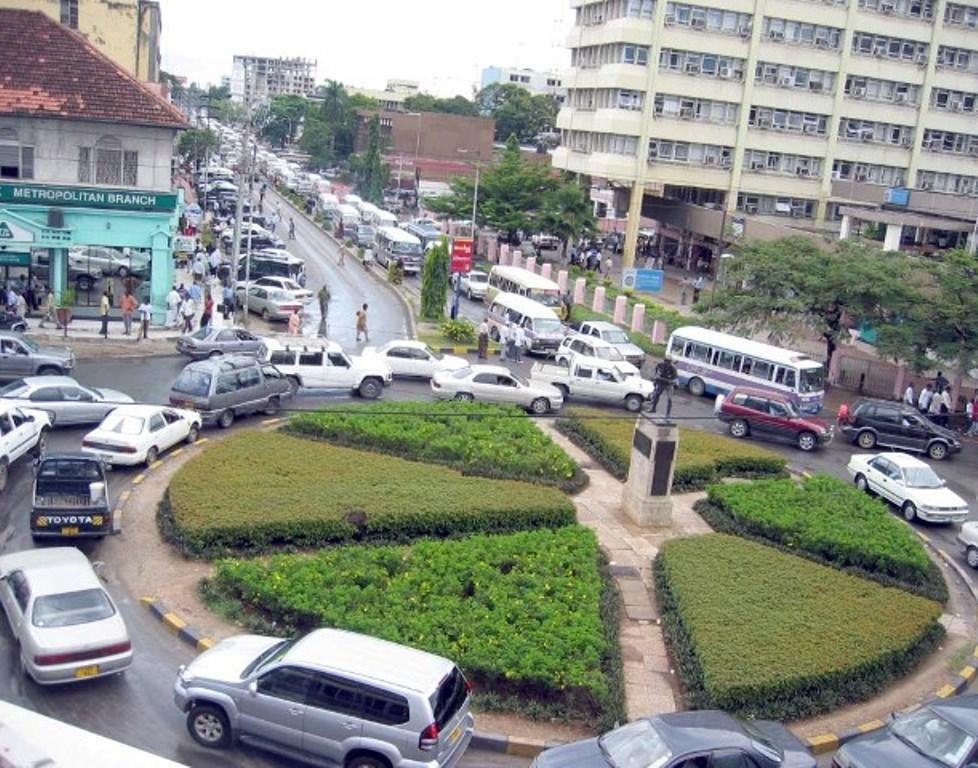
For instance, in some Dar es Salaam suburbs there are heaps of uncollected garbage lying by road sides in urban areas, especially where people can buy and sell goods.
We say all this to remind each other lest we forget to keep our country clean and it is within our reach to do so. Perhaps the district and regional authorities can engage in soul-searching on how best we can keep our country ever clean.
We propose that the authorities can make litter bins and waste containers available especially near markets, shops and bus stations because these are the places where we often find a lot of litter or uncollected waste.
It is possible to campaign for cleanliness right from street level and we can engage schoolchildren to help raise public awareness without forgetting the media – through radio and TV programmes.
So, cleanliness is a matter of choice. If we choose to be clean and keep our homes, compounds, offices, bus stations, markets, shops, streets, towns and cities we will look clean.
But if we don’t, for sure we will always encounter littering and heaps of uncollected reeking waste. Let’s do something about it!