

Africa-Press – Tanzania. WHILE many students focus solely on passing exams, Dickson Mallya was already looking beyond the lecture hall, determined to turn academic knowledge into practical solutions for society.
As a second-year agricultural engineering student at the University of Dar es Salaam (UDSM), he identified persistent challenges facing farmers and transformed them into business opportunities, laying the foundation for what is now Afriflux Limited.
Eng Mallya’s entrepreneurial journey did not begin with capital or external funding, but with skills, innovation and a deep understanding of the everyday realities confronting farming communities.
During his university years, he observed a clear disconnect between academic theory and the actual needs of farmers on the ground. He noted that many farmers struggled with access to reliable water sources, efficient irrigation systems, greenhouse construction and proper grain-drying technologies critical elements for improving agricultural productivity and reducing post-harvest losses.
“I realised there was a huge demand in the community,” he recalls. “Farmers needed water solutions, irrigation systems, greenhouses and grain dryers, yet very few professionals were offering these services.” Beyond water and irrigation, Eng Mallya also identified a growing need for comprehensive farm planning and design.
These included farm layouts, farmhouses, farm blocks, livestock structures, access roads and soil fertility testing services essential for modernising agriculture but largely out of reach for small and medium-scale farmers. Armed with engineering knowledge from his studies, he began offering design services while still at university. Aware of his limited field experience, he adopted a cautious and strategic approach.
“I would prepare the designs and then consult senior engineers with more experience. They reviewed and approved the designs before implementation,” he explained.
This approach not only ensured quality work but also allowed him to learn directly from seasoned professionals, gradually building both confidence and credibility in the field. As his designs gained recognition, clients began requesting full project implementation.
To meet this demand, Eng Mallya started asking for advance payments to purchase materials. After completing projects and receiving full payments, he reinvested part of the income into the business, steadily building capital and expanding operations.
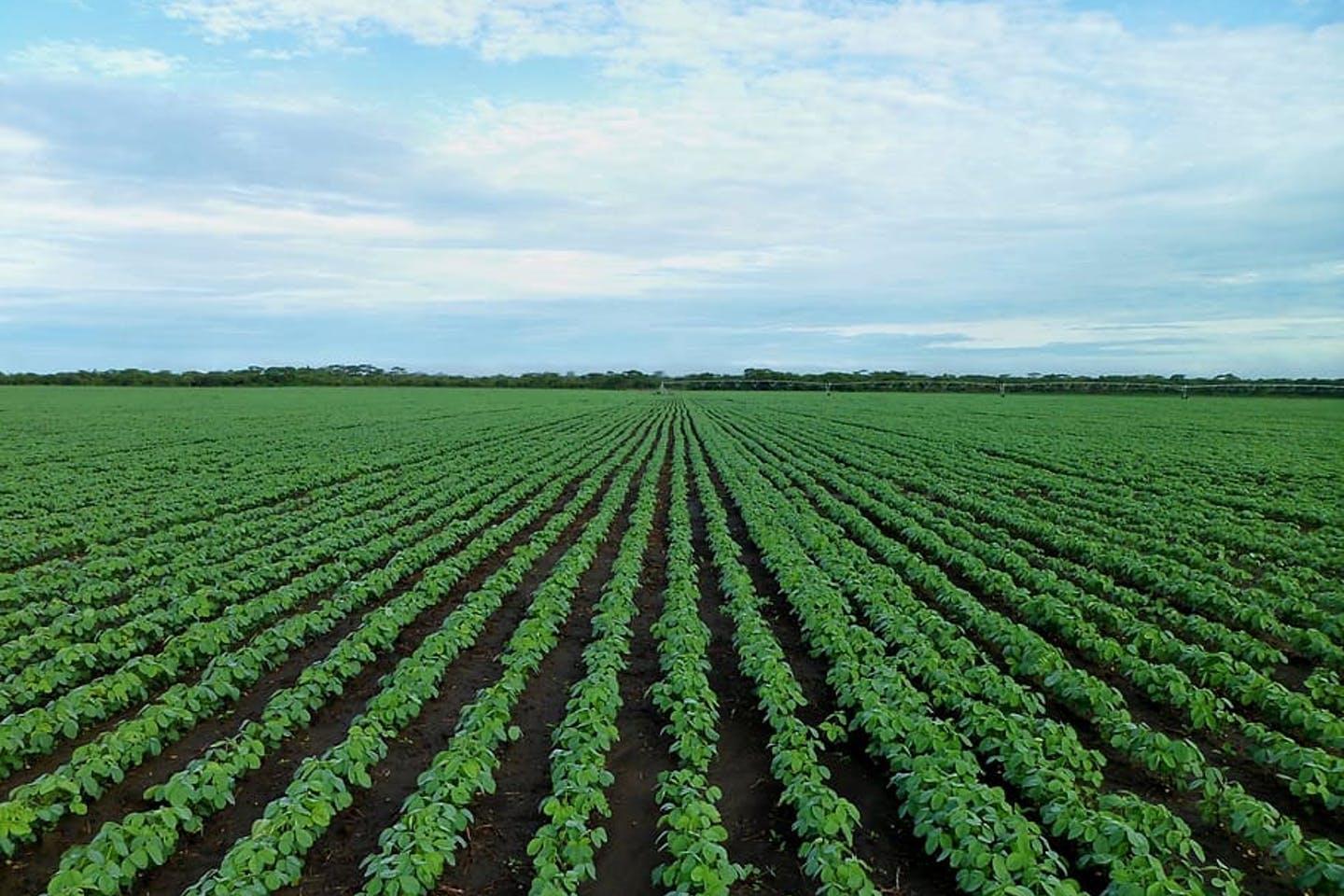
Afriflux Limited was officially established in 2021 and fully registered in 2024. Since then, the company has grown into a provider of integrated agricultural and water engineering solutions, serving farmers, institutions and individuals across the country. In addition to farm design and project implementation, Afriflux offers modern agricultural and water technologies, including irrigation systems and solar-powered water pumps.
These pumps extract water from rivers, boreholes or dams and operate using solar energy, helping farmers cut electricity costs while promoting environmentally friendly practices.
According to Eng Mallya, 2025 marked a major milestone for the company. During the year, Afriflux installed irrigation systems covering more than 160 hectares, conducted soil fertility tests on over 1,200 hectares, constructed more than seven agricultural dryers and drilled over seven boreholes in various regions.
The company’s footprint now spans key agricultural zones, including Songea, Njombe, Iringa, Morogoro, Dodoma, Kilimanjaro, Arusha, Tanga, Mbeya, Kigoma and Bukoba. This wide coverage reflects Afriflux’s evolution from a student-led initiative into a nationally recognised enterprise. Much of the company’s growth has been driven by client satisfaction and word-of-mouth referrals.
Eng Mallya has also embraced digital platforms to market his services and raise awareness about agricultural engineering.
“Social media has helped us a lot,” he said. “Our work is seen by farmers, young people and even older generations. It has become much easier to reach clients.” Platforms such as Instagram, Facebook, TikTok and WhatsApp have played a key role in securing projects, particularly those involving borehole drilling, water extraction and purification.
In terms of employment, Afriflux currently has five permanent staff members, including the chief executive officer, while additional workers are hired on a project basis.
“For every project, I employ more than seven young people, both skilled and unskilled,” Eng Mallya explained.
“Hiring locally helps reduce costs and creates employment opportunities for youth in the areas where we work.” Like many young entrepreneurs, he faced challenges, especially in managing complex projects and making high-level decisions.
ALSO READ: TANTRADE equips traders with competitive business skills
He overcame these obstacles by seeking guidance from senior mentors with extensive field experience.
“I involve my senior mentors in many project decisions. Their advice has helped me avoid costly mistakes,” he said.
On the debate between formal employment and self-employment, Eng Mallya believes both paths have value. He said working in established organisations can help young people gain experience, discipline and exposure.
However, he noted that self-employment can be equally rewarding when approached with preparation and competence.
“Before choosing self-employment, a young person must be competent in the service they want to offer,” he advised. “If you are still in college, focus on building strong skills and creating value before venturing into business.” By integrating design with implementation, reinvesting project income and combining modern technology with local labour, Eng Mallya has built a business model that balances profitability with community impact.
Through Afriflux Limited, he has delivered practical agricultural and water engineering solutions, created employment, improved farmers’ productivity and contributed meaningfully to national development proving that innovation, when matched with purpose, can drive lasting change.
Source: Daily News – Tanzania Standard Newspapers