
What You Need to Know
Zanzibar has attracted 45 new investment projects valued at over $218 million in the first 100 days of the new government term. This brings total investments approved to 607, worth $6.9 billion. The government is enhancing the investment climate through reforms, infrastructure improvements, and new policies to support economic growth and job creation.
Africa-Press – Tanzania. ZANZIBAR has registered 45 new investment projects worth over 218 million US dollars (about 567.6bn/-) within the first 100 days of the government’s second term, signalling growing investor confidence in the islands’ economy.
Presenting the ministry’s implementation report, Minister for Labour and Investment, Mr Sharrif Ali Sharrif, said the new projects bring the total number of investments approved under the current administration to 607, valued at 6.9 billion US dollars (about 18tri/-).
He said the cumulative number of investment projects in Zanzibar has now reached 1,351, with a total value exceeding 14.4 billion US dollars (about 37.4tri/-).
“The projects were registered through the Zanzibar Investment Promotion Authority (ZIPA). These achievements reflect the government’s commitment to creating a conducive investment environment and strengthening the private sector as a driver of economic growth,” he said.
As part of ongoing reforms, the government has completed the Zanzibar Investment Electronic Window (ZIEW), a digital platform that integrates services from key institutions involved in investment procedures.
The system is expected to reduce bureaucracy, lower registration costs and shorten the time required for investors to establish projects in the islands.
Mr Sharrif said the government was also improving infrastructure in special investment zones, including plans to expand Fumba Port and construct eight kilometres of internal roads in the Fumba investment area.
Assessments have also been conducted in other potential development areas, including the IT Madrasa project site, where infrastructure upgrades are planned to support investment activities.
To further improve the business environment, the ministry has prepared key policy documents, including a Doing Business guide to help investors and entrepreneurs navigate procedures for establishing businesses in Zanzibar.
ZIPA has also finalised a marketing strategy, Corporate Social Responsibility (CSR) guidelines and a Private Capital Flow study to track investment trends.
The government is also drafting real estate regulations to address emerging challenges in the fast-growing property sector. Meanwhile, publicprivate partnerships (PPP) have expanded, with several projects signed within the first 100 days, including vehicle registration and management, operation of 17 sports grounds and rehabilitation of historic sites.
This brings the total number of PPP projects under implementation in Zanzibar to 21. Two additional projects, the installation of a fibre-optic communication network (FTTX) under the Zanzibar Communication Corporation (ZICTIA) and the construction of a fivestar hotel in Buyu, are currently under negotiation.
To diversify investment financing, the government has established the Zanzibar Investment Company Limited, a fully state-owned firm aimed at facilitating investments through equity participation and shareholding arrangements.
The company is expected to attract both local and international investors to strategic sectors of the economy. On labour matters, the ministry reported progress in workers’ protection and compliance with labour laws.
Through the Labour Commission, 78 workplaces in Unguja and Pemba were inspected, with findings showing that 95 per cent of institutions comply with the minimum wage requirement of 347,000/- , alongside adherence to working hours, overtime payments and employee benefits.
The ministry has also verified 3,408 employment contracts to ensure compliance with national regulations.
In addition, Zanzibar has launched the Decent Work Country Programme III (2025/26–2029/30) in collaboration with the International Labour Organisation (ILO) and other partners to promote fair and decent employment conditions.
Efforts are also underway to introduce regulations requiring foreign workers to transfer skills to local employees, with the draft expected to be finalised by May 2026. Meanwhile, 1,442 Zanzibaris, mostly women, have secured overseas employment opportunities in countries including Oman, Kuwait, Qatar and Saudi Arabia in sectors such as domestic work, driving, agriculture and mechanical services.
Mr Sharrif said the government will continue to strengthen investment promotion, improve labour standards and expand employment opportunities to support sustainable economic growth.
“These initiatives are part of our broader commitment to ensure that economic progress translates into real opportunities and improved livelihoods for the people of Zanzibar,” he added.
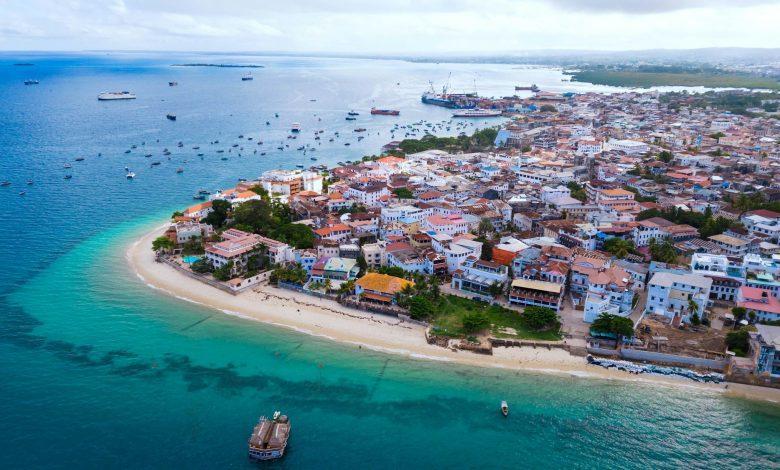
Zanzibar has a rich history of trade and investment, being a key player in the spice trade and a cultural melting pot. In recent years, the government has focused on creating a favorable environment for investors, recognizing the importance of foreign direct investment in driving economic development. The establishment of the Zanzibar Investment Promotion Authority (ZIPA) has been pivotal in facilitating and promoting investment opportunities in the region, aiming to boost the local economy and create jobs.