Africa-Press – Uganda. Uganda’s organic beauty and personal care industry is gaining momentum, evolving from a niche market into a vibrant sector fueled by shifting consumer preferences, abundant natural resources, and dynamic women- and youth-led entrepreneurs.
With rising demand for chemical-free, plant-based products, local brands are innovating and differentiating themselves, connecting with consumers seeking safer, more sustainable lifestyles.
From handcrafted shea butter creams and herbal soaps to natural hair oils and essential oils derived from indigenous plants, Ugandan producers are carving out niches in wellness, cosmetics, and small-scale enterprise.While official statistics are yet to be released, industry insiders report steady year-on-year growth, particularly in urban hubs such as Kampala, Wakiso, Mukono, Mbarara, and Gulu.
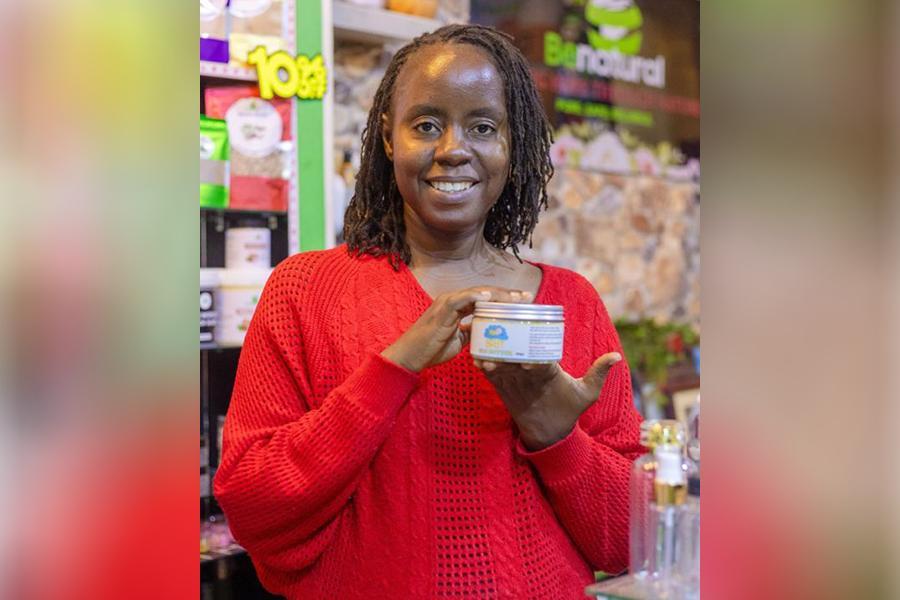
According to Angela Kobusingye, proprietor of BeNatural Uganda, locally made organic products are increasingly appearing on pharmacy shelves, in supermarkets, beauty stores, salons, and online platforms, while the sector’s presence at trade fairs, expos, and regional markets continues to expand.
“Demand for Uganda’s organic beauty products is highest among middle-income urban consumers, young professionals, natural hair and skincare enthusiasts, health-conscious shoppers, as well as tourists and expatriates—all seeking safer, chemical-free alternatives to conventional cosmetics,” she said while handing over a check of Shs6.9 million to Angela Nabagesera, who won a fully paid trip to Dubai under the BeNatural wellness campaign.Kobusingye noted that rising consumer awareness is transforming Uganda’s beauty market. Concerns over skin sensitivity, allergies, and the long-term effects of harsh chemicals are driving a shift toward clean beauty, while environmental considerations are encouraging more buyers to choose eco-friendly and ethically produced products.
The natural hair movement, particularly among young Ugandan women, has become a major growth catalyst.
“Rising demand for organic hair oils, herbal shampoos, scalp treatments, and moisturizers is creating opportunities for homegrown brands that cater to local hair and skin needs—often outperforming mass-produced imported alternatives,” she added.
Despite its growth, Uganda’s organic beauty industry faces challenges. Regulated by the National Drug Authority (NDA), the Uganda National Bureau of Standards (UNBS), and the Ministry of Trade, Industry and Cooperatives, the sector requires compliance to ensure consumer safety and credibility.
However, many small producers struggle with high certification costs, limited technical knowledge in formulation and labelling, and inconsistent packaging standards, which can hinder growth and consumer trust.
Limited access to finance compounds these challenges, as most businesses rely on personal savings or small loans, making it difficult to scale from cottage production to industrial levels.
Ambitions to export are further constrained by the high cost of organic certification, stringent compliance requirements in markets such as the EU, US, and Middle East, and a shortage of local cosmetic testing facilities.
On the positive side, the future looks bright. Key trends point to the professionalization of local brands, increased investment in processing and formulation, and expansion into regional and international markets.
For More News And Analysis About Uganda Follow Africa-Press