Africa-Press – Uganda. Uganda’s oil and gas sector is already driving substantial economic growth, even before the country produces its first barrel of oil.
Since the Final Investment Decision (FID) in 2022, the sector has injected over $20 billion (about Shs75 trillion) into the economy, stimulating activity across agriculture, construction, transport, hospitality, ICT, and education.
“This impact is being felt now, even before first oil production,” said Ms Gloria Elizabeth Sebikari, Manager of Corporate Affairs at the Petroleum Authority of Uganda.
“The sector is creating jobs, empowering local enterprises, strengthening human capital, transforming agriculture, mobilising revenue, uplifting communities, improving infrastructure, and stimulating growth across multiple industries.”
Employment and incomes are already rising.
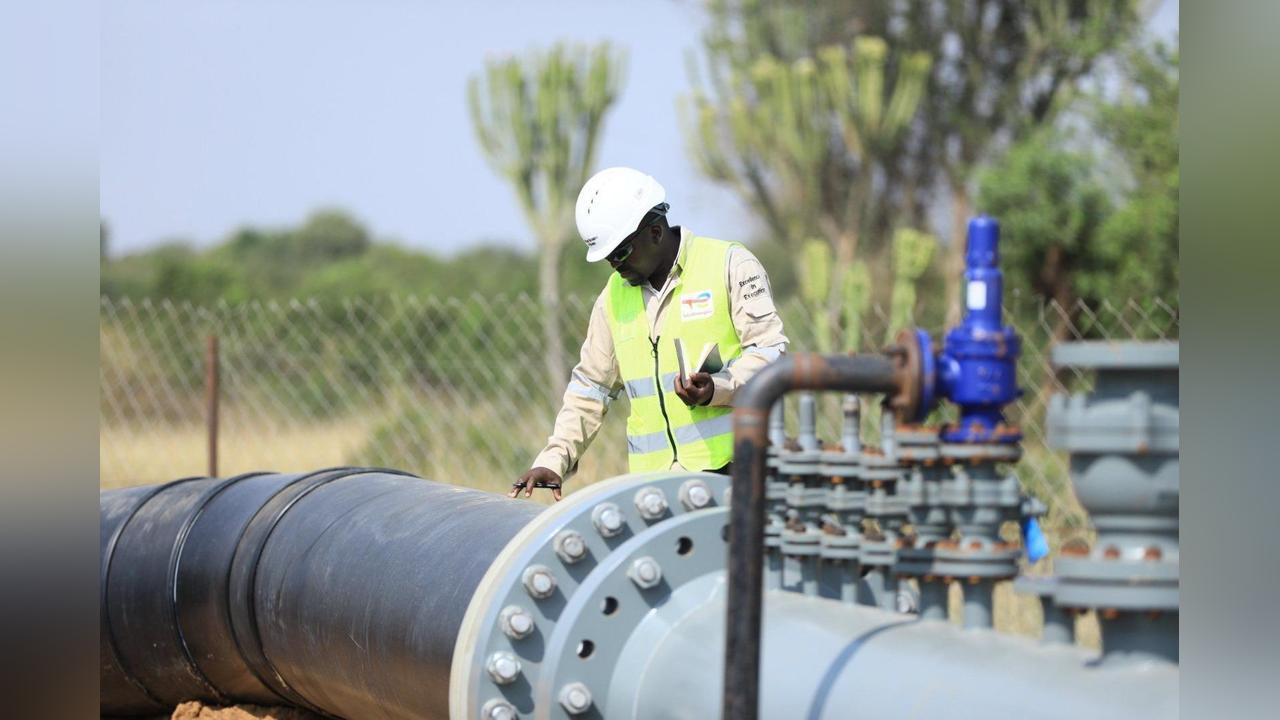
“At peak, our sector will create over 20,000 jobs. So far, 16,375 jobs have been generated, 90% of them held by Ugandans, with 5,134 jobs (35%) in host communities. That’s 70 times more than we had in 2017,” said Mr Polycap Musinguzi, Senior Social Affairs Officer at the Petroleum Authority of Uganda.
Workers are gaining technical expertise in areas such as welding, project management, environmental compliance, and drilling—skills that will benefit Uganda’s wider economy for years to come.
Ugandan companies supplying cement, steel, fuel, food, and accommodation are seeing growth, while banks, insurers, and pension funds are increasingly investing in oil-related projects, boosting domestic capital markets.
Investment in infrastructure linked to oil projects has had wide-ranging benefits. Roads in the Albertine Graben region have been upgraded, improving access for agriculture, tourism, and trade. Industrial parks, airports, and power connections are enhancing Uganda’s competitiveness and supporting industrialisation.
Even before commercial production, the sector is contributing to government revenues through taxes, fees, and licences.
Once production begins, oil exports are expected to significantly boost foreign exchange earnings, strengthen the balance of payments, and ease pressure on the shilling.
Early inflows have already helped cushion Uganda from external economic shocks.
Experts note that careful management is essential to sustain these benefits. Enforcing local content rules, ensuring transparency in revenue management, and investing in human capital are crucial to converting oil wealth into long-term, inclusive development.
With over $20 billion invested and tens of thousands of Ugandans employed, the oil and gas sector is a dynamic growth engine reshaping Uganda’s economy today while laying the foundation for a prosperous future.