write Felix Kumah-Abiwu and Jeffrey Haynes
Africa-Press – Uganda. The latest development initiative is being led by African leaders and is clear eyed about both the challenges and opportunities ahead.
The Accra Reset Initiative (ARI) is a new global development framework initiated by Ghana’s president, John Mahama. The ARI seeks to redefine Africa’s development agenda by reducing the continent’s reliance on external assistance and systems. According to President Mahama, Africa’s reliance is a “tripled dependency” involving “reliance on external actors for security, donors for social services, and foreign firms for mineral value chains” — a situation which undermines genuine sovereignty.
The Accra Reset Initiative, launched on the sidelines of the UN General Assembly in September 2025, has three core principles: sovereignty, workability, and shared value. Underpinning the strategy is a shift from foreign aid to investment via ‘prosperity spheres’, designed to attract investment for local, self-sustaining systems. While ARI’s scope covers these broad areas of its development agenda, health is identified as a critical starting point. There has been a lack of progress on global health issues, especially in relation to the UN Millennium Development Goals and Sustainable Development Goals. Global health was selected to build on the Africa Health Sovereignty Summit held in Accra, Ghana, in August 2025, also under the leadership of President Mahama. The plan is to expand local manufacturing of vaccines and medical supplies, create a skilled workforce, increase domestic health investment, and diminish the market share of imported medical items.
The ARI is a key component of Ghana’s bid to regain African leadership, last seen during the presidency of Kwame Nkrumah more than half a century ago. Since independence, Ghana has sought to be at the forefront of global and African affairs, including the integrative concepts of Pan-Africanism and African unity. Kwame Nkrumah once said: “Ghana’s independence is meaningless unless it is linked up with the total liberation of the African continent.” The ARI is Mahama’s attempt to both engage with the African Union’s Agenda 2063 (‘The Africa We Want’) and to emphasise Ghana’s claim to be a leader in the pursuit of African solutions to African problems.
Structure of the ARI
The Accra Reset Initiative has five key pillars: (1) Strengthening public health institutions. (2) Expanding local manufacturing (vaccines/medical supplies). (3) Developing a skilled health workforce. (4) Promoting domestic health investment. (5) Fostering equitable partnerships.
The Club of Accra will be the political leadership of ARI. It will include a Global Presidential Council and a Guardians’ Circle comprising former heads of state to provide governance leadership and drive the ARI agenda forward. The aim is to move beyond declarations to design and implementation of policy and programmes. To this end, ‘geostrategic deal rooms’ are to be established, where resources will be managed and partnerships developed in crucial areas, including health, adaptability to climate change, and enhancing food security.
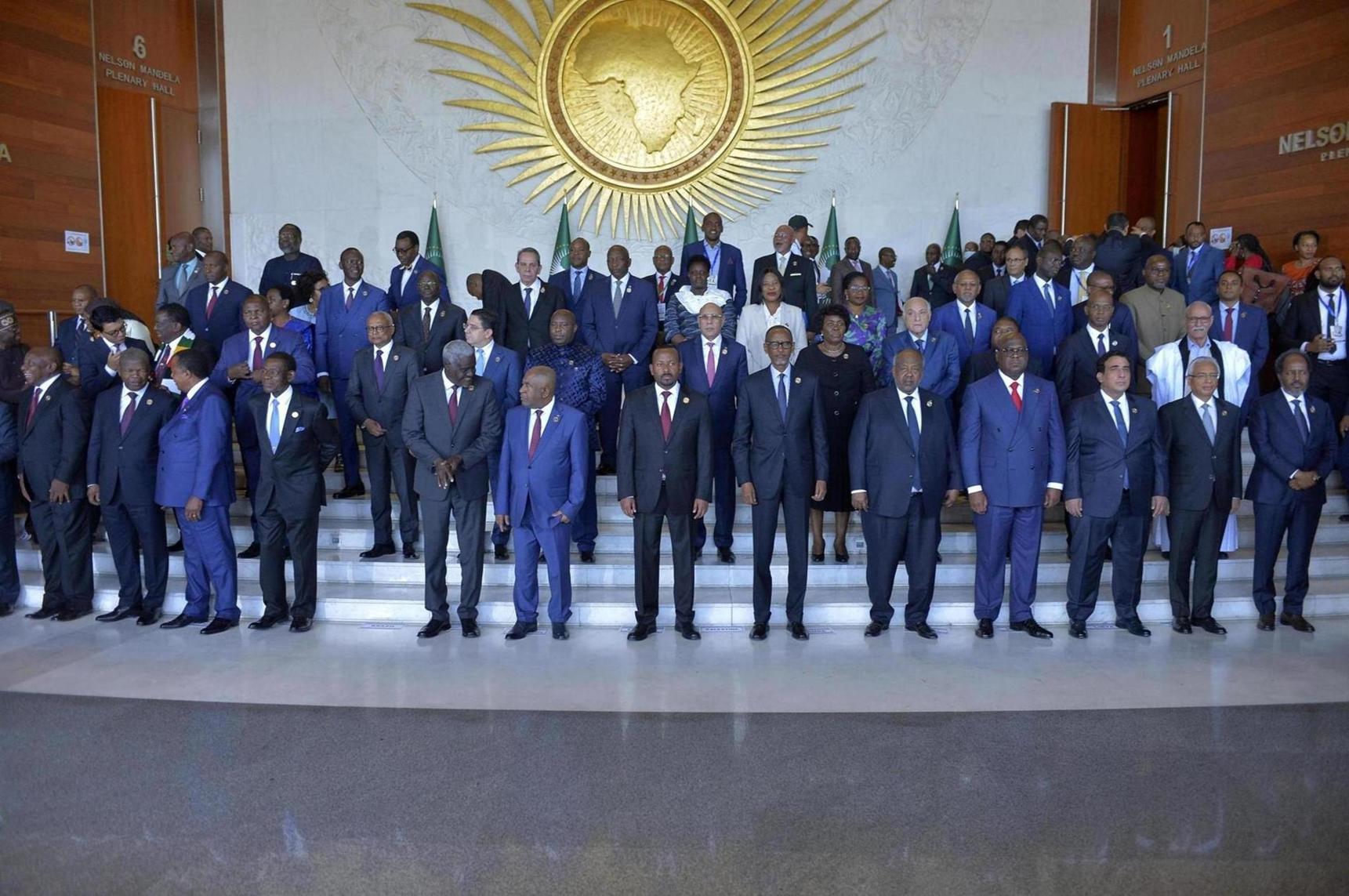
The ARI is not a stand-alone strategy and its architects envisage working closely with, and significantly accelerating, the African Union’s Agenda 2063 to tackle structural, long-term developmental challenges. A key component of this is to shift Africa from being a ‘policy taker’ to an ‘agenda-setter’. In other words, Africa would help shape global partnerships not merely respond to them. In an era of Trumpian international policy, which undermines the cooperative agendas of the last 75 years, it is imperative that Africa seeks to make waves, not be engulfed by them.
To do this requires accelerated industrialisation and manufacturing that, by prioritising local production, will support Agenda 2063’s goal of creating regional manufacturing hubs, especially in areas of significant value added, such as pharmaceuticals and technology.
Then there is the issue of Africa’s increased financial autonomy and reducing international debt. The goal is to move billions of dollars of externally held African investments back home to finance development, thereby reducing or better managing debt burdens.
The third priority is to reduce youth unemployment. All African countries have a problem with youth employment, and ARI reflects this in its concern for job creation for the youth. There is an urgent need for skills development, particularly in digital literacy, green energy, and advanced manufacturing. Bridging this gap will help ease Africa’s crisis of unfulfilled potential, affecting an estimated 900 million young people in the region.
Will the ARI succeed?
Previous global development initiatives were mostly driven by Western donor countries with little or no input from African countries and others in the Global South. The Accra Reset Initiative is different. It is initiated in Africa and is being led by African leaders with support from partners, including Western governments. The aim is that the ARI will positively impact the continent’s development in two key ways: (1) assist in resetting existing global institutions, and (2) encourage African countries to work together rather than rely on the West for development resources.
Ghana’s strong record of democratic governance, coupled with recent improved macroeconomic performance under the current administration suggest that President Mahama makes it well-positioned to lead the Accra Initiative. At the same time, Africa is faced with challenges of political instability, corruption, energy crises, soaring public debt, and other problems that might hinder the progress of ARI. Whether the ARI is the panacea for Africa’s underdevelopment is the question which only time will resolve.
LSE