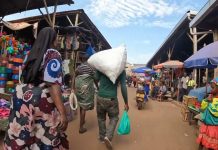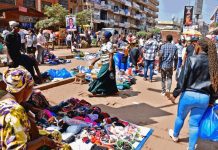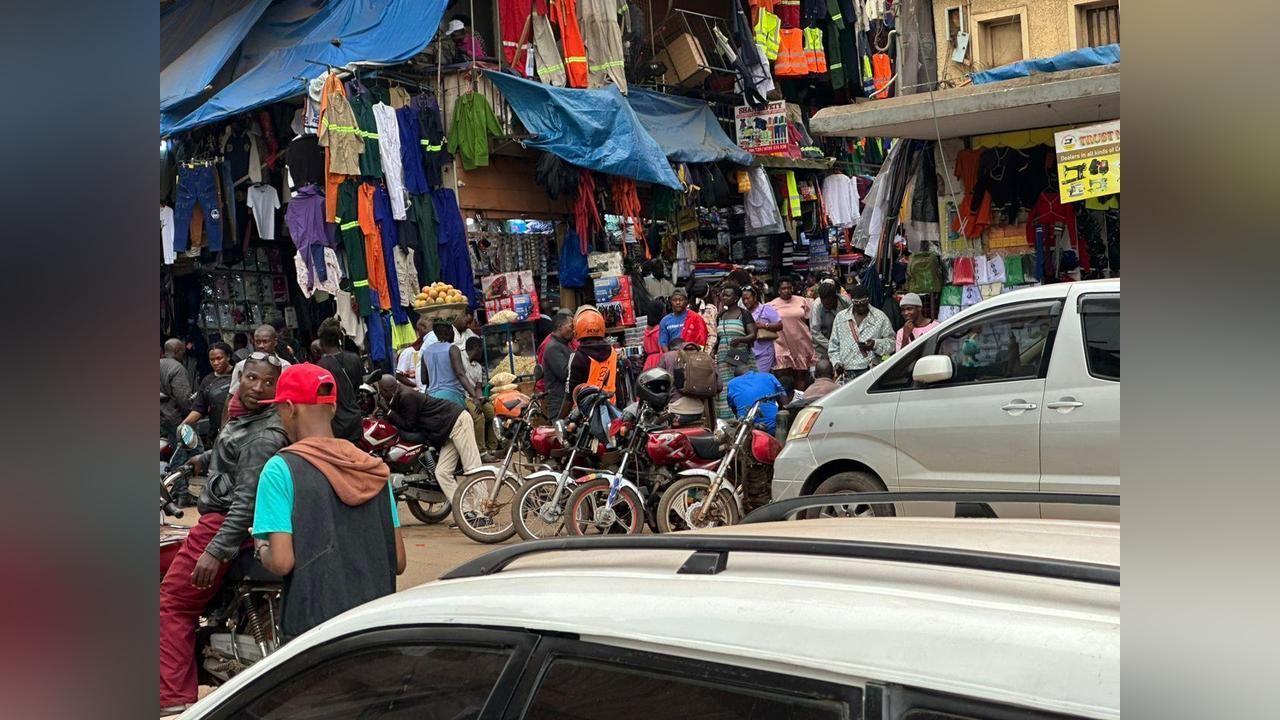
Africa-Press – Uganda. Traders in downtown Kampala are reporting poor sales despite crowded streets and heavy pedestrian movement, highlighting a post-election lull in consumer spending.
Since the conclusion of Uganda’s general elections, many business owners who had temporarily closed or traveled upcountry returned expecting trade to rebound. Instead, they say sales have fallen sharply.
“People are there, but customers are not,” said a boutique owner along Luwum Street. “We open every day, we see crowds, but no one is buying.”
Several shopkeepers explained that most of the foot traffic is generated by parents purchasing supplies for the new school term. Bookstores, uniform shops, and stationery sellers report steady activity, while businesses selling clothing, electronics, cosmetics, and household goods see few transactions.
“Stationery shops are smiling,” said a hardware dealer near Ben Kiwanuka Street. “The rest of us are just watching.”
Economists attribute the pattern to cautious consumer behavior following politically tense periods. Families often prioritize essential expenses—such as school fees, textbooks, and uniforms—before returning to discretionary spending on non-essential goods.
“They come with a mission,” said a cosmetics vendor. “If you’re not selling books or school uniforms, they don’t even look at you.”
Traders who rely on daily turnover report mounting debts to landlords and suppliers. Some warn that prolonged low sales could force closures.
“We thought after elections, money would come back into circulation,” said a mobile phone accessories dealer.
“But right now, it feels worse than during the campaigns.”
As schools continue to reopen and households settle into their routines, traders are hoping consumer confidence gradually returns.
For now, many downtown businesses remain dependent on passing foot traffic that rarely converts into sales.