Africa-Press – Uganda. After nearly 20 years since the discovery of commercial oil in 2006, Uganda is now set to extract its first oil from the Tilenga and Kingfisher fields in July 2026. The conversation has shifted from whether oil exists to who will participate in the sector—and at what level.
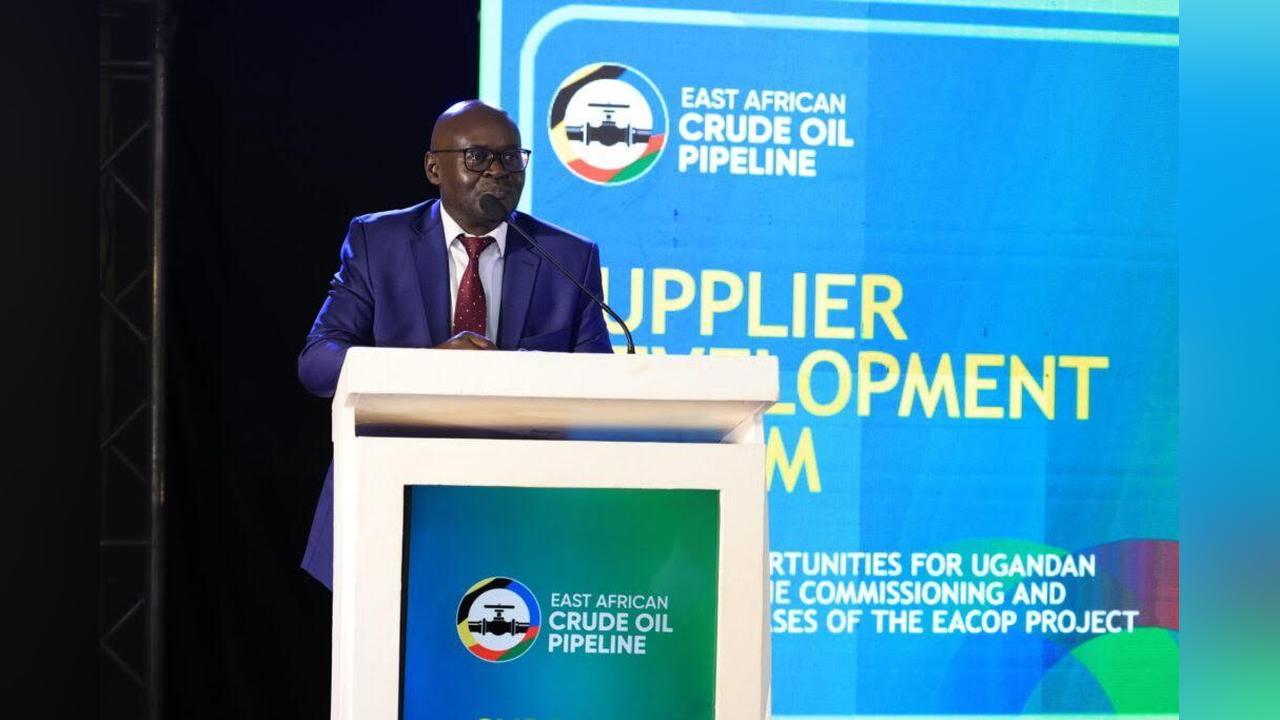
The recent Supplier Development Forum organised by the East African Crude Oil Pipeline (EACOP) convened a wide range of stakeholders in the oil and gas industry, including technicians, suppliers of goods and services, trainers, regulators and project contractors. More than a routine engagement, the forum served as a strategic platform for local enterprises seeking to position themselves at the centre of the oil and gas value chain.
Oil and gas projects demand significant capital investment, advanced technical expertise and strict compliance with internationally monitored standards. These factors can easily relegate local suppliers to the margins of their country’s resource development. However, the forum brought local companies into discussions on manpower supply, driving services, piping, electrical works, engineering, inspection and training. In doing so, it shifted the narrative from exclusion to preparation.
The platform facilitates structured engagement between international oil companies, Tier 1 contractors, government regulators and local businesses. Such interaction offers clarity on procurement pipelines, compliance requirements and technical standards—areas that often disadvantage smaller enterprises due to limited access to timely information. When suppliers understand requirements before tenders are announced, they are better positioned to compete effectively.
John-Bosco Habumugisha, Deputy Managing Director of EACOP, underscored this point: “Local companies should be ready to compete for every opportunity announced. If they lose, they should use it as an opportunity to enhance skills and improve for the next bid.” The impact extends beyond contract awards, translating into employment opportunities for Ugandans working within these local firms.
The forum also plays a critical capacity-building role. Collaboration with international firms enables local businesses to learn industry standards, safety protocols and quality assurance benchmarks. Industry leaders emphasised the importance of partnerships between local suppliers and Tier 1 contractors, noting that such relationships promote knowledge transfer and practical exposure, strengthening long-term competitiveness.
Through initiatives aligned with the Petroleum Authority of Uganda (PAU), supplier development efforts help businesses navigate certification processes and regulatory compliance. Meeting international benchmarks allows local companies to transition from aspiring bidders to credible partners capable of delivering quality services.
Beyond capacity building, Supplier Development Forums strengthen economic linkages. Oil and gas operations stimulate demand across construction, logistics, catering, ICT, transport, environmental services and financial services. By increasing awareness of upcoming opportunities, small and medium enterprises can integrate into the broader project ecosystem, ensuring that economic value circulates within Uganda rather than flowing outward.
Projects such as EACOP represent some of the largest infrastructure investments in East Africa, generating thousands of contracts across multiple sectors. Hotels may secure catering or accommodation contracts, while transport companies can provide logistical support. The forum enhances transparency around upcoming tenders and demystifies procurement processes, enabling broader participation.
Importantly, the forum also contributes to building trust. Globally, the oil and gas sector faces scrutiny over transparency and equitable benefit sharing. In Uganda, oil development—including the EACOP project—has drawn skepticism and environmental concerns. Open engagement among government officials, operators, contractors, financiers and local entrepreneurs improves accountability and reduces misinformation. Dialogue fosters realistic expectations and shared responsibility.
Ultimately, the forum reflects a long-term vision for Uganda’s oil and gas sector. While extraction may last an estimated 25 years, the sector’s true legacy will be measured not only in barrels exported but also in strengthened businesses, transferred skills and diversified industries. Supplier development platforms lay the groundwork for sustainability by preparing local firms for opportunities within oil and gas, as well as in regional and global markets.
For stakeholders in Uganda’s oil and gas industry, sustained dialogue and transparency remain essential. The Supplier Development Forum is therefore not merely an event but a strategic instrument that translates local content policy into practical opportunity. If effectively leveraged, it can catalyse inclusive and sustainable growth within Uganda’s oil and gas sector.