write Mwai Daka and Kakwenza Rukirabashaija
Africa-Press – Uganda. Unlike previous election cycles, this campaign was notable only for internet shutdowns and a lack of hope for regime change.
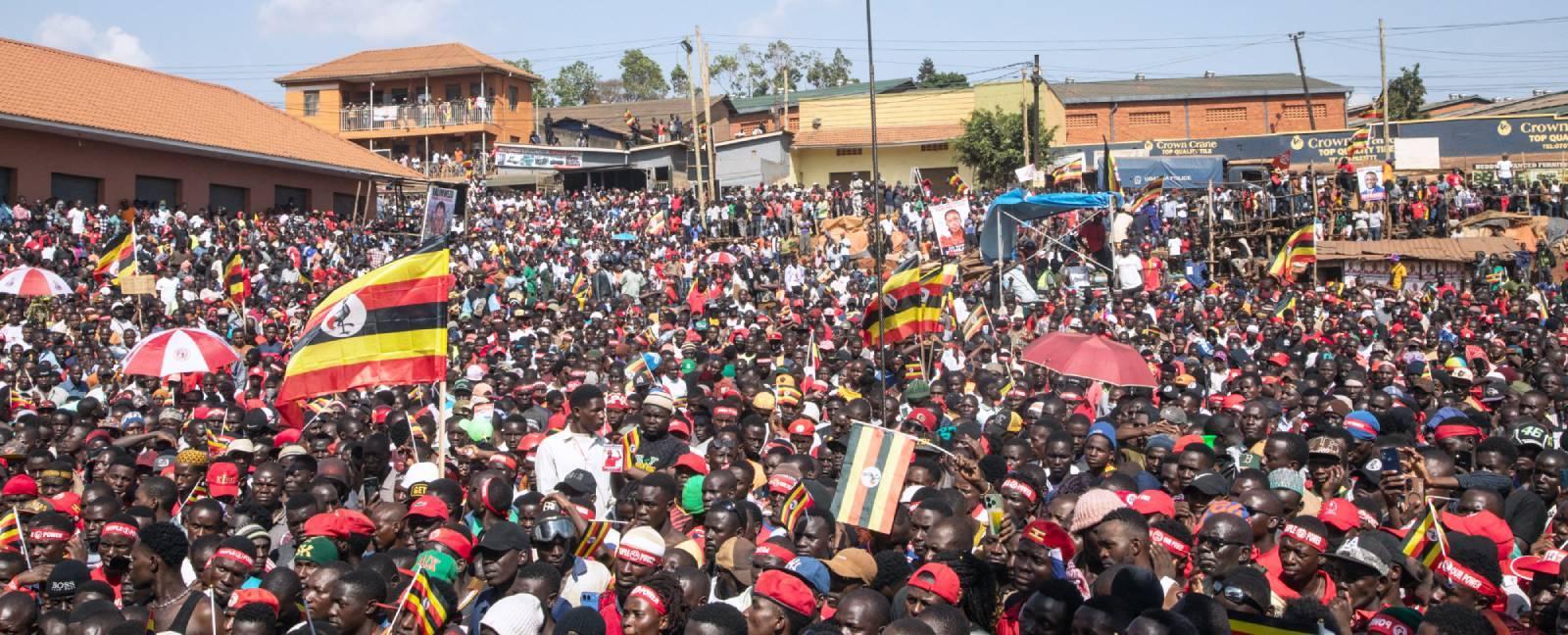
During Uganda’s presidential election in January 2026, observers noted a shift in Uganda’s political atmosphere. The run-up to the 2021 election was marked by a kinetic and almost desperate energy for regime change. At its centre was the main opposition candidate, Robert ‘Bobi Wine’ Kyagulanyi Ssentamu.
In contrast, 2026 was comparatively silent. This was manufactured through systematic judicial harassment of opposition figures, the absence of meaningful electoral reforms, and the brazen militarisation of what should have been a civilian electoral process. This manufactured silence is the hallmark of the recent rule of Yoweri Museveni, a phase where elections are no longer about democratic choice but are instead internal arenas for the regime to signal loyalty and manage a complex, multi-layered struggle over succession.
Outspoken veteran Dr Kizza Besigye has been held in detention without trial since November 2024, and more importantly, critical opposition voices, such as Bobi Wine, have been forced into hiding since 16 January 2026, when he fled his home in Kampala following a night raid by police and military forces. Other critics, such as Kakwenza Rukirabashaija, have been forced into exile[MB1]. Underpinning all of this has been multiple internet shutdowns, which have subdued democratic engagement.
Yoweri Museveni was declared the winner with 71.65 per cent of the vote, his highest margin in decades. However, this landslide must be viewed against a backdrop of 52.5 per cent voter turnout, the lowest in recent history, signalling a massive withdrawal of the citizenry from a process they no longer trust. The result: a seventh term for Yoweri Museveni secured through arbitrary force and a sophisticated legal and digital strangulation that effectively killed the hope of the previous cycle.
The digital darkness of 2026
As Ugandans prepared to vote, a familiar darkness descended upon the country. From 13 to 18 January, a nationwide internet shutdown digitally silenced over 45 million people. While the Ugandan Communication Commission (UCC) framed this as a necessary measure to prevent online misinformation, the reality is that it was a textbook example of strangling political dissent online.
The UCC’s directive cited the need to mitigate the rapid spread of misinformation. While protecting election integrity is a legitimate goal on paper, in this instance, it was merely a pretext for repression. This shutdown did not occur in a vacuum. The digital blackout was accompanied by the impunity granted to General Muhoozi Kainegruba, who used social media to boast about the state’s willingness to use lethal force against opposition supporters.
The principle of proportionality requires the state to use the least intrusive method. If the concern was online misinformation, the Museveni regime should have targeted specific accounts spreading misinformation online. Instead, they used a sledgehammer to crack an imaginary nut and imposed a blanket blackout.
This disproportionate response by Museveni’s government contributed directly to the decades-low voter turnout of 52 per cent. The hope for a fair process evaporates when citizens cannot coordinate or access independent information.
The most cynical application of the blackout powers was the UCC’s exclusion list. By granting exemptions to services like banking and government payment platforms, the state maintained the economy’s vital organs to prevent a middle-class or international revolt. In this framework, digital rights are treated as a luxury to be traded for economic stability and political loyalty.
The shutdown in Uganda hit the marginalised the hardest. While large banks where protected, the informal sector, boda-boda riders and market traders relying on mobile money were decimated. This internet shutdown also provided cover for human rights violations. Without the ability to report abuses in real-time, victims were left isolated and psychologically worn down by the imminent threat of state-sanctioned killings of opposition protestors. For these citizens, the shutdown was a total suspension of their political safety and right to participate in matters of public interest during a presidential election.
The 2026 shutdown was opaque, enforced via a leaked directive rather than an official announcement. This prevented any meaningful judicial challenge before the damage was done. Without the publication of orders, the ideal of proportionality is replaced by an arbitrary exercise of power.
Why hope faded
Ultimately, the 2026 election revealed that the regime no longer needs to win the hearts of the youth to win; it only needs to disable their tools of coordination. Instead of protecting the citizen from the state, the law is used to protect the state from the citizen.
When the internet returned on 18 January, it did not reveal a new Uganda; it merely illuminated the wreckage of a democratic process that had been systematically dismantled in the dark.