Africa-Press – Uganda. Uganda’s public debt has climbed to Shs115.40 trillion as of June 2025, up from Shs69.20 trillion in June 2021 — a 66.76 per cent increase in just five years that has triggered alarm within Parliament.
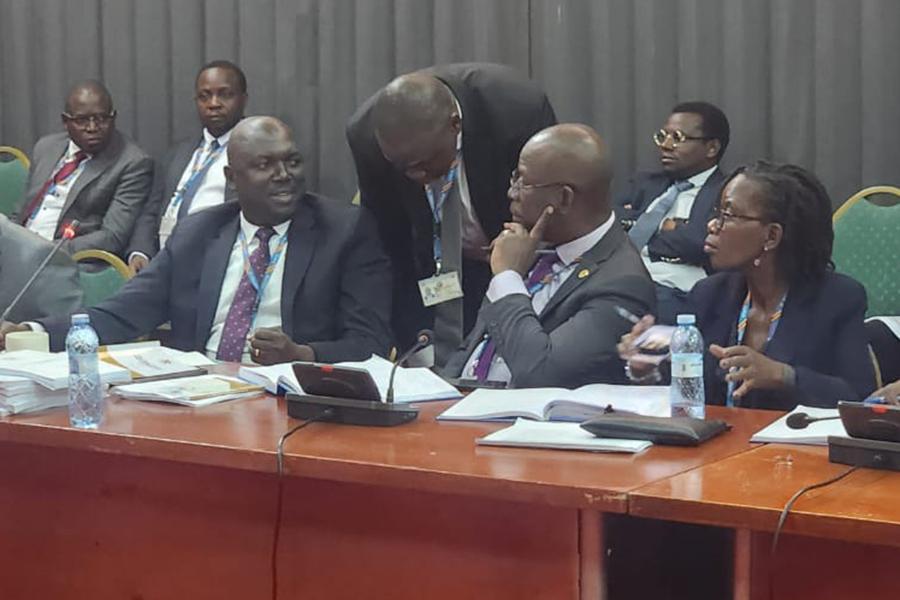
The sharp rise has drawn concern from the Public Accounts Committee (PAC), with legislators warning that the country’s growing debt stock could exert mounting pressure on the economy if not carefully managed.
Leading the charge was PAC Vice Chairperson Gorreth Namugga, who cautioned that the surge in domestic borrowing, in particular, risks crowding out the private sector.
“The increasing domestic debt by Shs 20 trillion — from Shs 39 trillion to Shs 59 trillion — could hike commercial bank interest rates, hurting the private sector,” Namugga said.
Domestic debt, typically raised through Treasury bills and bonds, competes directly with private businesses for credit from commercial banks.
Economists argue that when government borrowing intensifies, banks often prefer lending to the state because it is considered less risky, leaving businesses to borrow at higher rates or struggle to access credit altogether.
Finance ministry officials defended the country’s debt portfolio, maintaining that Uganda remains within the 50 per cent debt-to-GDP sustainability threshold set under the country’s fiscal framework.
However, legislators expressed unease not only about the size of the debt but also about its utilization and performance.
The committee revealed that Shs1.643 trillion in external loans remained undisbursed by the end of the financial year, including funds earmarked for critical infrastructure projects such as the Kampala Metropolitan Area Development Programme and electrification of industrial parks.
Lawmakers questioned why government continues to contract loans while previously secured funds remain idle, potentially attracting commitment fees and adding to the overall debt burden without corresponding development impact.
PAC Chairperson Muwanga Kivumbi described the situation as deeply troubling, pointing to what he termed as weak budget performance and rising debt servicing obligations.
“The government’s insatiable appetite for borrowing, coupled with escalating debt service costs, is deeply worrying,” Kivumbi said.
Uganda’s debt servicing bill has steadily increased over the years, consuming a growing share of domestic revenue.
Analysts warn that if debt service costs continue rising faster than revenue collection, government may have limited fiscal space to fund essential public services such as health, education, and agriculture.
The recent debt expansion has largely been attributed to repayment of advances from the Bank of Uganda, increased domestic borrowing, and heavy investment in infrastructure and oil and gas development projects.
The oil and gas sector, in particular, has required significant upfront financing as Uganda prepares for commercial oil production.
Government officials insist the borrowing has been largely directed toward growth-enhancing projects intended to expand the country’s productive capacity and generate future revenues.
They further argue that Uganda’s fiscal consolidation strategy — anchored on domestic revenue mobilisation, rationalised expenditure, and improved public financial management — will gradually stabilise the debt trajectory.
Still, members of Parliament are calling for stricter scrutiny of new loan requests, improved absorption of already contracted funds, and stronger accountability mechanisms to ensure borrowed resources deliver tangible economic returns.
As Uganda navigates the delicate balance between development financing and fiscal sustainability, the debate over the country’s debt trajectory is likely to intensify — especially as Parliament continues to exercise oversight over public expenditure and borrowing decisions.