writes Mbelwa Kairuki
Africa-Press – Uganda. There’s an old script when it comes to UK-Africa relations. The UK provides the aid, and Africa follows its lead. But in the new era of reduced funding, emerging African economies, and global instability, that script has been ripped up.
In January 2025, at the Davos World Economic Forum, Canadian Prime Minister, Mark Carney offered a blunt warning to the world’s “middle powers.” In a fragmenting global order, he argued, nations that cannot build agile, effective coalitions will find themselves “on the menu” rather than at the table.
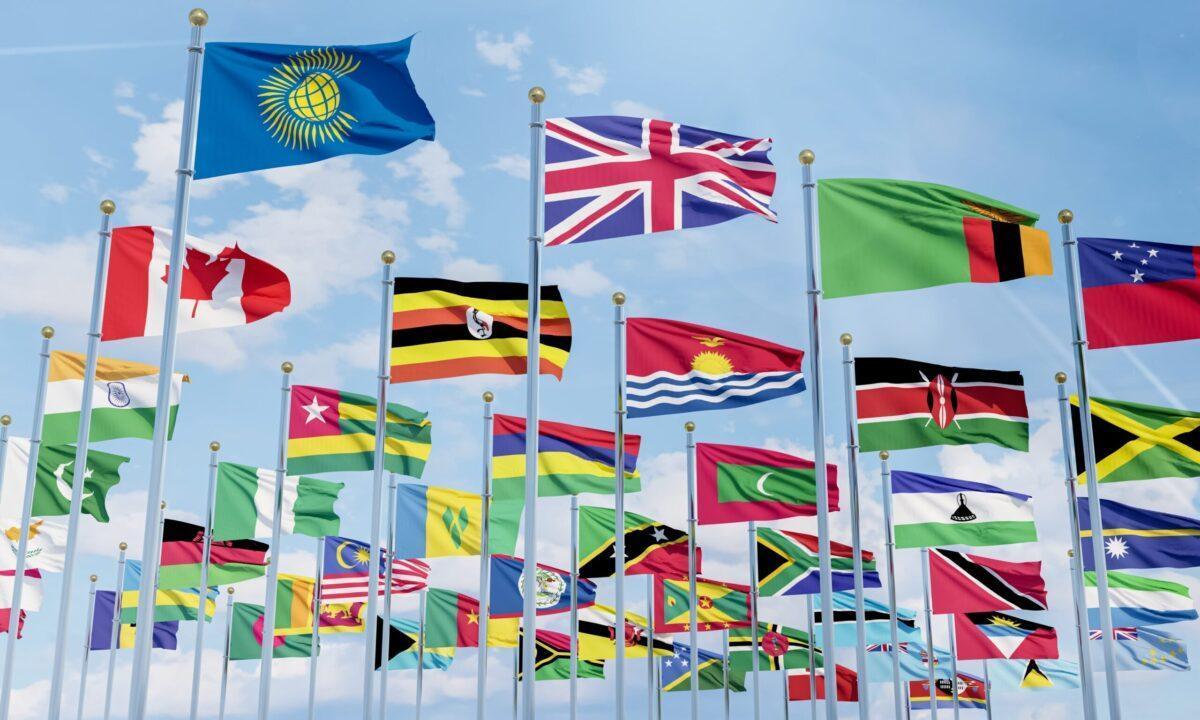
As Britain prepares to host the G20 in 2027, this poses a challenge. The UK is no longer a financial hegemon that can dictate terms, nor a donor superpower that can buy influence. It is, by Carney’s definition, a middle power that must trade on its reputation, its networks, and its utility.
In Africa, that utility is being tested. And right now, Britain is moving too slowly to pass the test.
The “New Approach to Africa,” launched by the Minister of State for Africa, Andrew Stephenson in December 2025, says all the right things. It correctly identifies that the era of aid is dead, replaced by a hunger for investment, green industrialisation, and equal partnership. But while Whitehall produces excellent strategy papers, the rest of the world is busy pouring concrete.
In Africa, the landscape of influence has shifted decisively. In the last twelve months, the United Arab Emirates and Saudi Arabia have joined China in not just pledging capital but deploying it. They are upgrading our ports, financing our grid stability, and streamlining logistics. They move with a speed and commercial ruthlessness that British institutions currently cannot match, and so it is falling behind in this new era it so correctly identifies.
This is the challenge for the UK. It is not that African governments are anti-British – far from it. We value English law, London’s capital markets, and our deep historic ties. The reality is that it simply takes too long to do business with the UK compared to other middle-power economies, and we have challenges that we are eager to meet.
If the UK wants its G20 presidency in 2027 to be a moment of leadership rather than pageantry, it must treat 2026 as its audition year. If this is the dress rehearsal, its missed its cue.
Two specific changes would signal that Britain is back in business.
First, fix the mobility crisis. It is impossible to build a “modern trade partnership” when African CEOs, investors, and scientists face months of limbo in the UK visa system. You cannot integrate supply chains if your partners cannot visit your factories. Britain should use 2026 to pilot a “G20 Business Track” – a fast-lane mobility scheme for key African trade partners. If the Gulf can offer frictionless business travel for our investors, why is visiting London still wrapped in red tape?
Second, democratise deal-making. Currently, British investment instruments are gold-standard but risk-averse and slow. Decisions that should take weeks take years, often bouncing between London desks until the opportunity has vanished. The UK should empower its investment bodies and trade envoys with greater delegated authority to sign off on technical assistance and initial financing packages. We need a British agility that matches its ambition.
The opportunity is immense. Africa is central to the global transition: from the critical minerals in our ground to our clean energy potential. We want British partners for our “Mission 300” electrification drive and for the processing plants that will industrialise our economy.
Carney is right: middle powers need to act together. As several African countries emerge as middle powers in their own right, we are looking for peers, not patrons. The UK needs Africa’s dynamism to revitalise its own growth story; Africa needs the UK’s financial architecture to capitalise its future. We are natural allies in a turbulent world.
But alliances are built on delivery, not sentiment. The G20 countdown has begun. The script is written. Now, Britain has to perform its part.
LSE