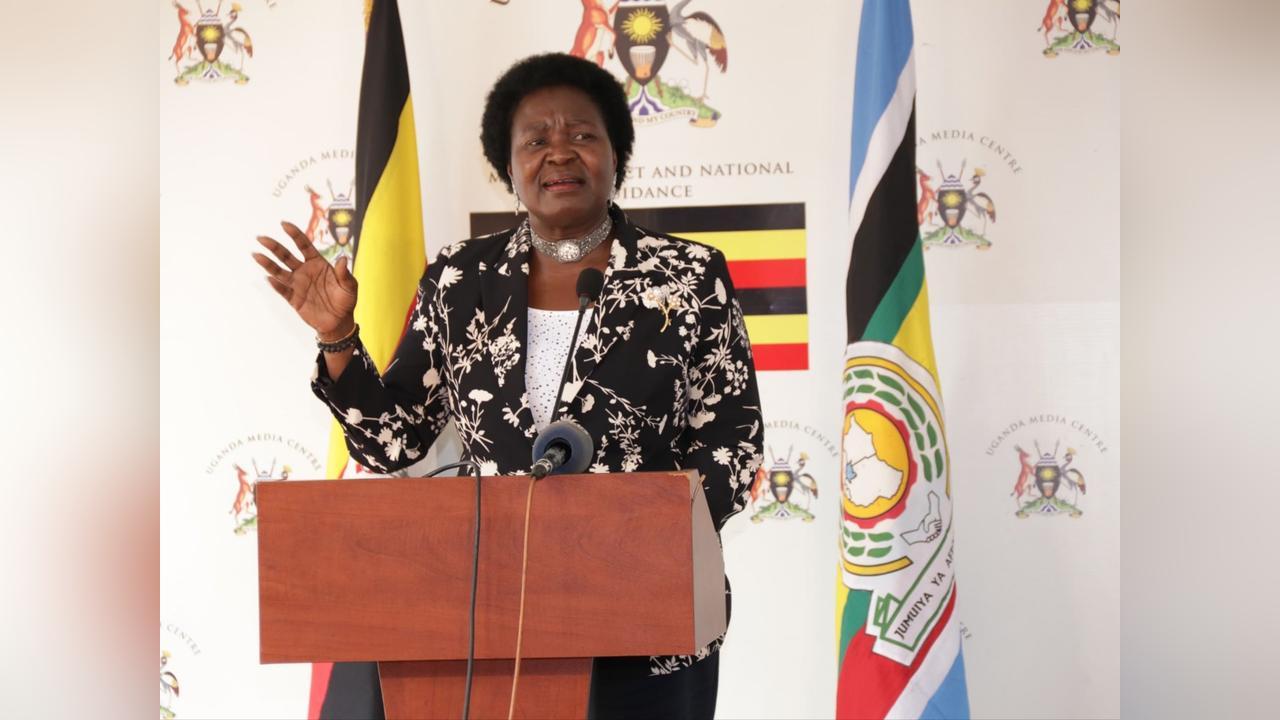
Africa-Press – Uganda. Cabinet approved Uganda’s participation in the Initial Public Offering (IPO) of the Kenya Pipeline Company (KPC) through the Uganda National Oil Company (UNOC), securing a 20.15 percent strategic shareholding in the regional energy infrastructure firm.
The move marks a critical shift for Uganda, transitioning from being primarily a user of the pipeline system to a shareholder in one of East Africa’s most important petroleum transport corridors.
“Through UNOC, Uganda will acquire a 20.15 percent strategic stake in KPC. With 95 percent of our petroleum imports routed through Kenya and about 65 percent of KPC’s transit volumes going to Uganda, this investment strengthens our position in the infrastructure that supports fuel supply and price stability.
Uganda now moves from being primarily a user of the system to a shareholder in one of the region’s most critical fuel supply corridors.”
The Government of Kenya intends to partially privatize KPC by listing it on the Nairobi Securities Exchange (NSE). KPC, incorporated under Kenya’s Companies Act (Cap 486), was converted into a public limited company in January 2026 through the sale of 11,812,644,350 ordinary shares at KES 9.00 per share, representing 65 percent of the issued ordinary shares, while the Kenyan Government retains the remaining 35 percent.
Under the Petroleum Products Supply Act 2023, UNOC is Uganda’s sole importer and supplier of bulk petroleum products, including diesel, petrol, Jet A-1, and kerosene, which are distributed through local Oil Marketing Companies (OMCs).
In May 2024, UNOC signed a Transportation and Storage Agreement with KPC, enabling Uganda to use the Kenyan pipeline system to transport petroleum from the Mombasa port to depots in Western Kenya, where OMCs collect their allocations for domestic distribution.
Uganda currently imports over 95 percent of its petroleum products through Kenya, amounting to approximately 2.96 billion litres annually, with the remainder coming through Tanzania’s ports of Dar-es-Salaam and Tanga. Of all KPC transit volumes, 65 percent are destined for Uganda, making the country a critical contributor to KPC’s revenue, accounting for roughly 35 percent through pipeline and storage utilisation.
When KPC was fully government-owned, Uganda relied heavily on bilateral agreements with Kenya to ensure a reliable supply. With the partial privatization, governance priorities are expected to shift toward private-sector profit interests, including dividend payments.
This made it essential for Uganda, through UNOC, to secure a meaningful equity stake and obtain key governance protections.
The IPO and Uganda’s acquisition carry significant strategic and commercial importance. Key concessions granted to Uganda include:
20.15 percent shareholding in KPC
Appointment of at least two directors to the Board
Veto power on pipeline tariff changes
Veto on any revision to the company’s dividend policy
Veto over material changes to the business plan
Veto over increases or reductions in share capital to protect Uganda’s stake from dilution
Veto power on alterations to the company’s Memorandum or Articles of Association
These rights ensure Uganda’s strategic interests of security of supply, affordability, and accessibility are protected, while also allowing participation in potential dividend payments and capital gains as KPC operates under a partially privatized, profit-driven structure.
Analysts note that the stake strengthens Uganda’s ability to influence regional fuel infrastructure decisions, stabilizes supply and pricing for domestic markets, and positions the country as a strategic player in East Africa’s growing energy value chain.
By securing the 20.15 percent stake, Uganda not only safeguards its fuel supply but also gains a seat at the table in a critical regional energy corridor, blending strategic security with commercial opportunity for long-term national benefit.