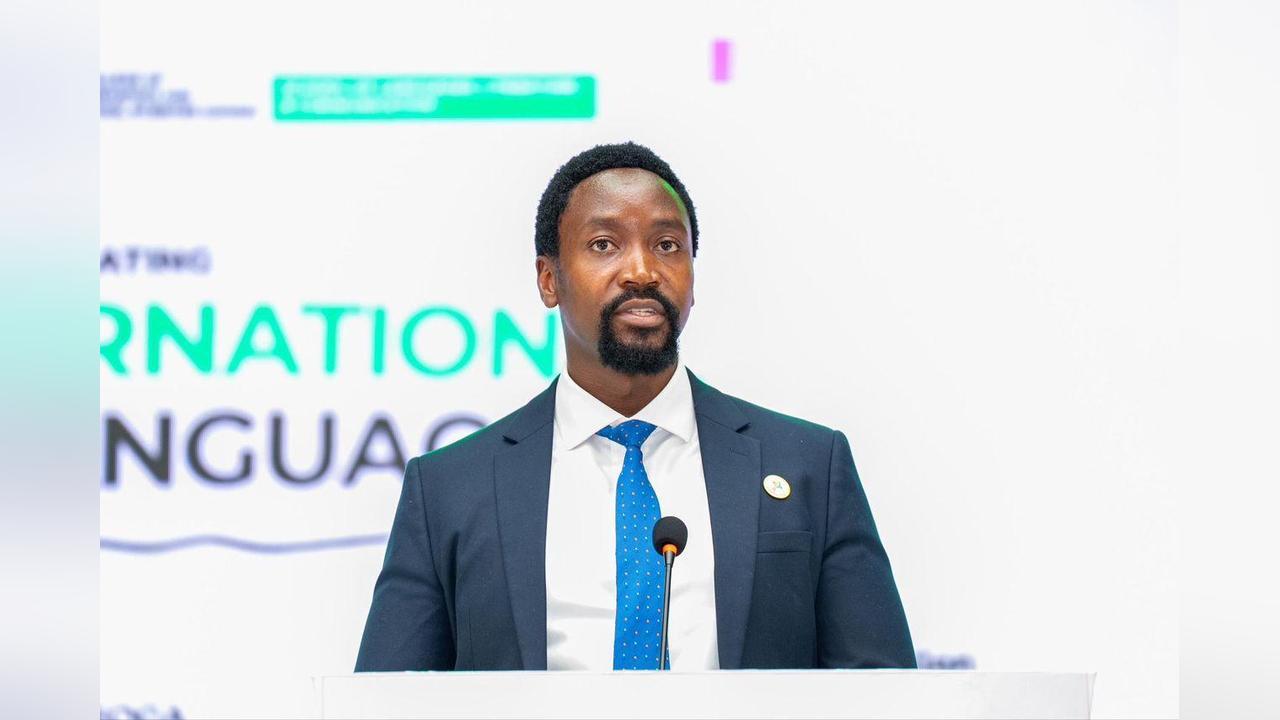
Africa-Press – Uganda. In the rhythmic cadence of a Runyankole proverb or the tonal elegance of a Luganda greeting, there lies more than communication; there is a worldview. As Uganda recently marked International Mother Language Day, the country stands at a crossroads of identity.
In an era of rapid globalization and digital dominance, we must ask: who do we become when our mother tongues evaporate into the “English man’s language”?
Language is the vessel through which culture is delivered, acting as the DNA of our heritage. The Kyabazinga of Busoga, William Gabula Nadiope, echoed this sentiment.
“Language is not just a pillar of our identity but also a symbol of who we are,” the monarch reminded.
Speaking our indigenous tongues is not merely uttering sounds; it is projecting the history, values, and soul of our ancestors into the present.
Yet these symbols are under threat. Ms Shirley Byamutaga recently warned that, “If we don’t record, if we don’t write and put down our languages, then they shall disappear.”
Losing a language is more than a loss of words—it is the extinction of a perspective, a worldview, and an entire human experience.
Today, the greatest danger is digital invisibility. If young Ugandans cannot type in their mother tongue because of aggressive auto-correct, or if artificial intelligence cannot understand Lusoga, Ateso, or Acholi, these languages risk vanishing from the digital landscape.
To remain relevant, our cultural evolution must merge with technological advancement. We need Natural Language Processing tools, localized digital content, and robust language databases to ensure our indigenous tongues thrive online as they do in village squares.
Mother Language Day must become a catalyst for a national digital linguistic movement. By harnessing technology, we can ensure our mother tongues remain living, breathing tools for the future.
The next generation deserves a reflection in language that is authentically, vibrantly, and digitally Ugandan.