Africa-Press – Uganda. Legal experts and political commentators have raised concerns over President Museveni’s decision to pardon individuals facing corruption-related charges, warning that the move could undermine constitutional processes and weaken accountability institutions.
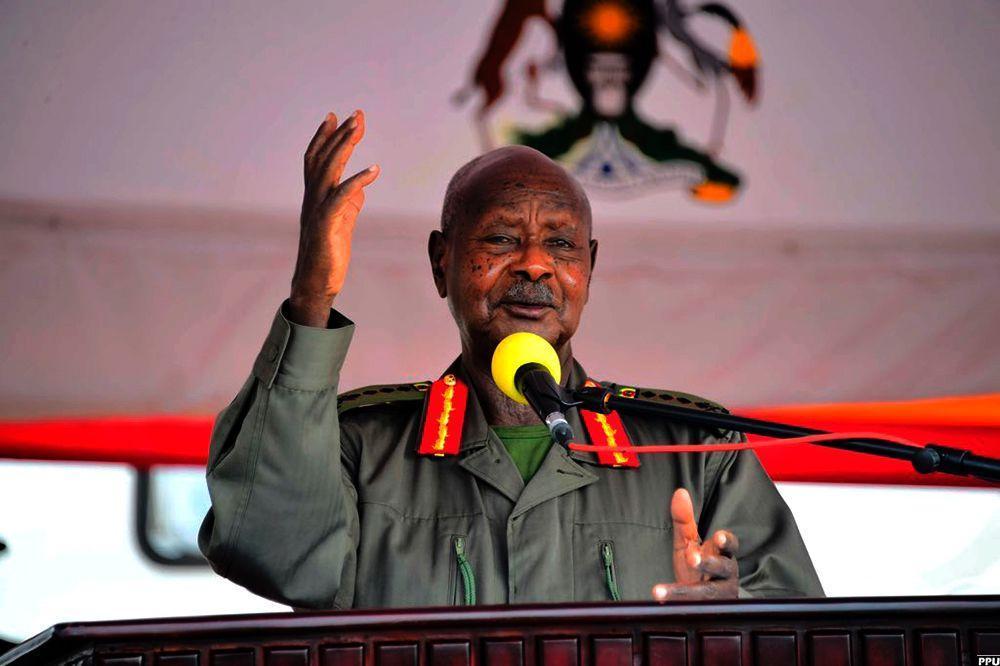
The debate follows remarks made by the President while addressing National Resistance Movement (NRM) leaders at his farm in Ngoma, Nakaseke District, where he disclosed that he had pardoned Lwengo District Woman MP Cissy Namujju alongside other legislators who had been facing corruption-related charges, effectively halting their prosecution.
Those affected reportedly include MPs Paul Akamba, Yusuf Mutembuli, and Michael Mawanda, who had been implicated in allegations linked to the national budget process and were facing proceedings before the Anti-Corruption Court.
Legal practitioners argue that the decision raises constitutional questions, noting that the prerogative of mercy is traditionally exercised after conviction rather than during ongoing judicial proceedings.
They warn that intervening before a court verdict may blur the separation of powers and weaken due process.
Kampala Lord Mayor Erias Lukwago is among those who have questioned the legality of the move, cautioning that it could set a precedent that undermines judicial independence and institutional checks and balances.
Legal analyst Luyimbazi Nalukoola also questioned whether established constitutional procedures were followed, particularly under Article 120, which outlines the roles of key institutions such as the Attorney General in legal advisory processes.
“There appears to have been a bypass of structured legal review mechanisms,” he noted, adding that such actions risk weakening institutional safeguards.
Concerns have also been raised about the role of the Office of the Director of Public Prosecutions in the discontinuation of the cases, with some observers suggesting the development may reinforce perceptions of political interference in high-profile corruption matters.
Lawyer George Musisi warned that the move could have long-term implications for Uganda’s anti-corruption drive, including eroding public confidence in the justice system.
Uganda continues to lose significant public resources to corruption, and analysts say the latest developments are likely to intensify debate on the balance between executive power and judicial independence in handling graft cases.
For More News And Analysis About Uganda Follow Africa-Press