Africa-Press – Uganda. On this day in 1995, northern Uganda was shaken by one of the most brutal episodes of the Lord’s Resistance Army (LRA) insurgency when hundreds of civilians were killed in what has since become known as the Atiak Massacre.
The attack occurred in Atiak, then part of Gulu District, where LRA rebels loyal to Joseph Kony launched a coordinated early morning assault on the trading centre.
After hours of fighting, they overwhelmed a small Uganda People’s Defence Force detachment stationed in the area and took control of the settlement.
Following the takeover, the rebels rounded up hundreds of civilians, including residents from a nearby internally displaced persons’ camp and students from a local technical school.
The captives were reportedly marched to the banks of the Ayugi River, where the killings took place.
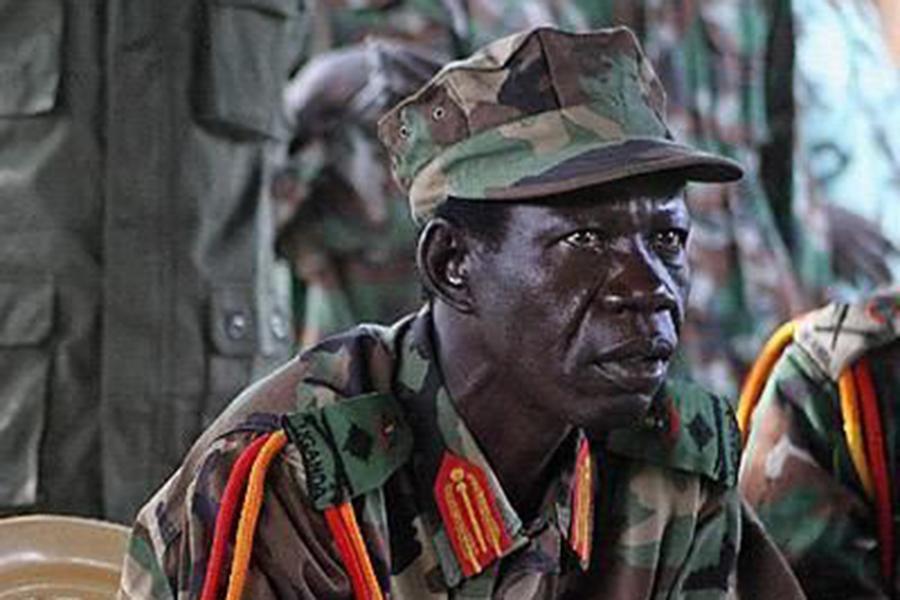
Survivor accounts indicate that the executions were ordered by senior LRA commander Vincent Otti, who was originally from the area.
The fighters opened fire on the group, killing men, women, and children in what has since been documented as one of the worst massacres of the conflict.
Estimates of the death toll vary, but between 200 and 300 civilians are believed to have been killed, while dozens more were abducted and forced into LRA ranks as fighters and porters.
The massacre left deep scars on the community, not least because of Otti’s personal connection to the area. It has remained a defining moment in the history of the two-decade insurgency that devastated northern Uganda.
In the years since, Atiak has continued to commemorate the tragedy annually, with survivors, leaders, and residents gathering to honour the victims.
A memorial in the town bears the names of many of those who lost their lives.
The Atiak Massacre continues to feature prominently in discussions on justice, reconciliation, and accountability, including proceedings linked to the International Criminal Court, as well as ongoing calls for reparations and sustained support for affected communities.
For More News And Analysis About Uganda Follow Africa-Press