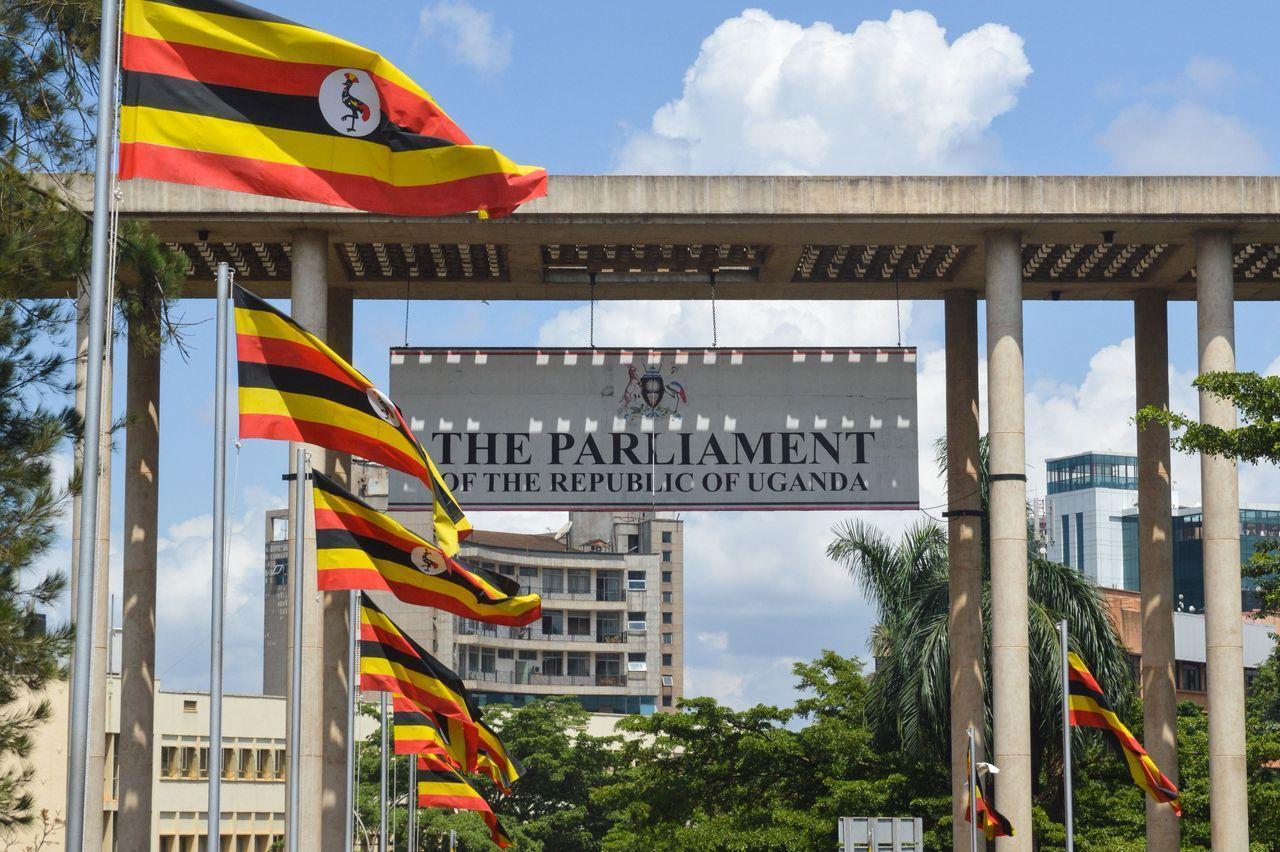
Africa-Press – Uganda. Democratic Party president Norbert Mao has cautioned against the planned induction of members of the incoming 12th Parliament, warning that proceeding before electing top leadership could undermine the effectiveness and neutrality of the legislative body.
In a letter dated April 27, 2026, addressed to the Clerk to Parliament, Mao argued that the induction programme should only take place after the election of the Speaker and Deputy Speaker, insisting that the House cannot be considered fully constituted without its leadership in place.
“The 12th Parliament will only be considered fully constituted after the Speaker and Deputy Speaker have been elected,” Mao stated. He added that conducting orientation beforehand would be “akin to taking a sports team to a training camp before determining who will captain the team.”
The induction programme is expected to cover legislative procedures, ethics, and parliamentary rules. However, Mao warned that the current political environment risks turning the exercise into a battleground for leadership influence rather than capacity building.
He pointed to what he described as growing political maneuvering already observed during recent engagements, including at a National Resistance Movement retreat in Kyankwanzi. Mao said debates over the next Speaker had begun to overshadow policy discussions and technical learning.
“I noticed how the issue of who will be the Speaker of Parliament distracted members to the extent of almost overshadowing the important knowledge being shared by a variety of experts,” he wrote.
He further cited an incident in which an aspirant’s question on internal party processes shifted attention away from the programme’s agenda, as well as what he described as an “unwarranted outburst” directed at his own political ambitions by the outgoing Speaker.
Mao also raised concerns over the composition of facilitators for the induction, alleging that some were politically aligned with outgoing leadership and could compromise neutrality. He warned that such bias could reduce the exercise to political messaging rather than objective training.
According to Mao, this situation reinforces the need for an independent training structure to handle parliamentary capacity building. He proposed the revival of a dedicated parliamentary training institution, arguing that institutional independence would safeguard professionalism and consistency in orientation programmes.
He referenced the earlier establishment of the Rebecca Alitwala Kadaga Institute of Parliamentary Studies, noting that it was abandoned due to political disagreements over its naming, a decision he described as short-sighted.
“The bias can only be cured by entrusting an impartial body to be in charge of the capacity building of Parliamentarians,” Mao stated, adding that dismantling such initiatives had weakened institutional learning frameworks.
He concluded his appeal by urging Parliament to prioritise the effectiveness of the induction process, especially given that a significant proportion of incoming legislators are new to the House.
Mao maintained that delaying the programme until after the election of leadership would ensure focus, neutrality, and proper grounding for the incoming legislature.
The development comes as preparations intensify for the inauguration of the 12th Parliament of Uganda under the Parliament of Uganda.
For More News And Analysis About Uganda Follow Africa-Press