Africa-Press – Uganda. Human rights organisations have called for stricter evidence-based reporting and stronger accountability mechanisms as Uganda prepares for its fourth cycle under the United Nations Universal Periodic Review (UPR), warning that commitments on paper must translate into measurable change at community level.
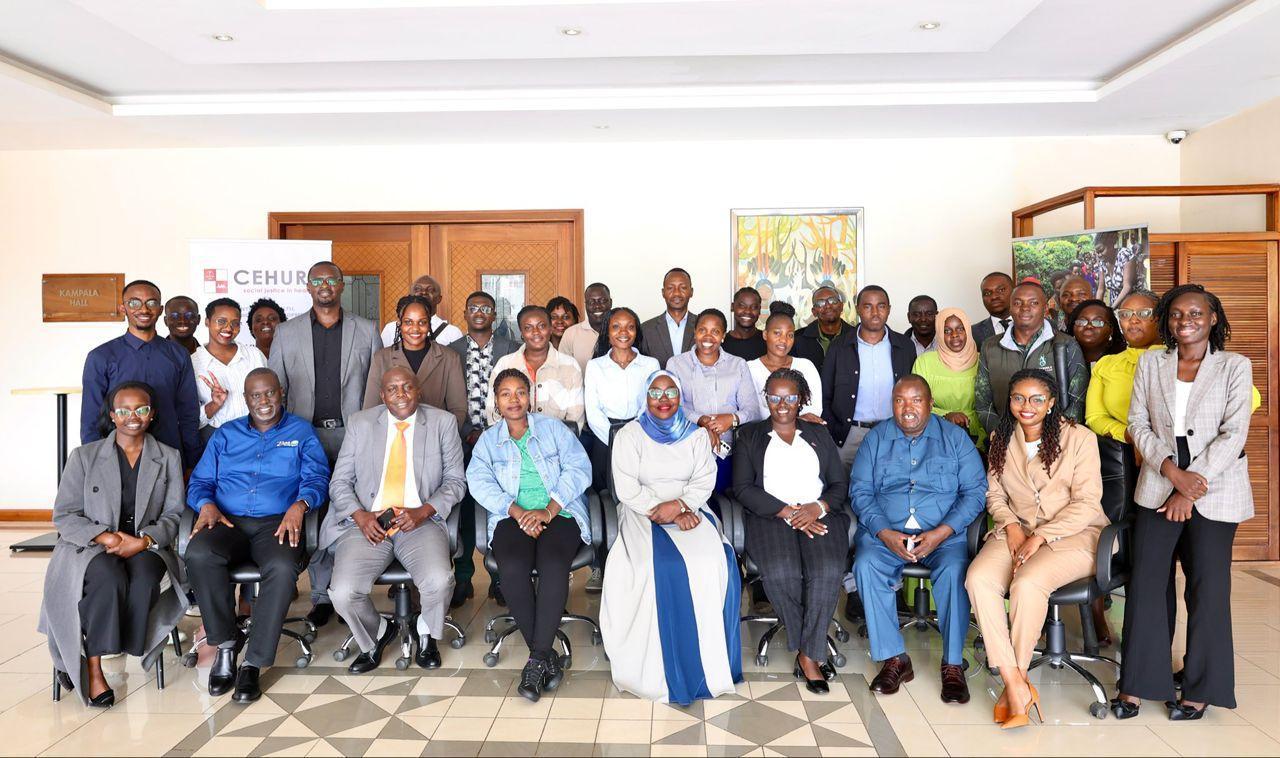
The call was made during a report development retreat bringing together civil society actors ahead of Uganda’s submission to the UN review process.
Mr. Gilbert Onyango, Executive Director of the East African Centre for Human Rights, said the UPR process must go beyond formal reporting to demonstrate tangible impact on citizens.
“This is the first time we are implementing a regional UPR project. Unless human rights are realised by the person in Masaka, they are not worth the paper they are written on,” Onyango said.
The UPR is a United Nations peer-review mechanism that evaluates the human rights performance of all member states every five years. Uganda is currently preparing its fourth cycle report, with civil society organisations contributing evidence and recommendations.
Onyango stressed that the process should not only assess progress but also strengthen accountability systems and ensure implementation of recommendations through national frameworks.
He said it also provides a platform for countries to present achievements while receiving peer recommendations on improving human rights standards.
Ms. Noor Nakibuuka, Deputy Executive Director of the Center for Health, Human Rights and Development (CEHURD) ,urged stakeholders to prioritise credible and verifiable data, particularly on sexual and reproductive health rights.
She warned that weak documentation could undermine Uganda’s ability to respond effectively during the review process.
“To succeed in this cycle, we must move beyond rhetoric and produce a rigorous, evidence-based report that clearly answers the critical question: what is your evidence?” she said.
Nakibuuka further called for stronger engagement with diplomatic missions to ensure recommendations are practical and tracked for implementation.
“We must hold government accountable for implementation and track progress in the next cycle,” she said.
Mr. Seth Niimwesiga of CEHURD defended the role of civil society in global reporting frameworks, arguing that local human rights concerns must be elevated to international platforms to influence national policy.
He cited rising cases of teenage pregnancy and defilement as indicators of persistent protection gaps.
“We have embraced the UPR mechanism because we want to position health and human rights in regional and global reporting frameworks,” he said. “What happens at the UN directly impacts national development programmes.”
Niimwesiga acknowledged concerns about shrinking civic space but urged rights organisations not to be discouraged by criticism of foreign influence, insisting their work remains rooted in local realities.
“Our work remains vital regardless of labels,” he said. “We are the perpetrators but we are also the responders.”
The discussions form part of preparations for Uganda’s upcoming UPR review, which will assess the country’s progress in implementing previous human rights recommendations.
For More News And Analysis About Uganda Follow Africa-Press