
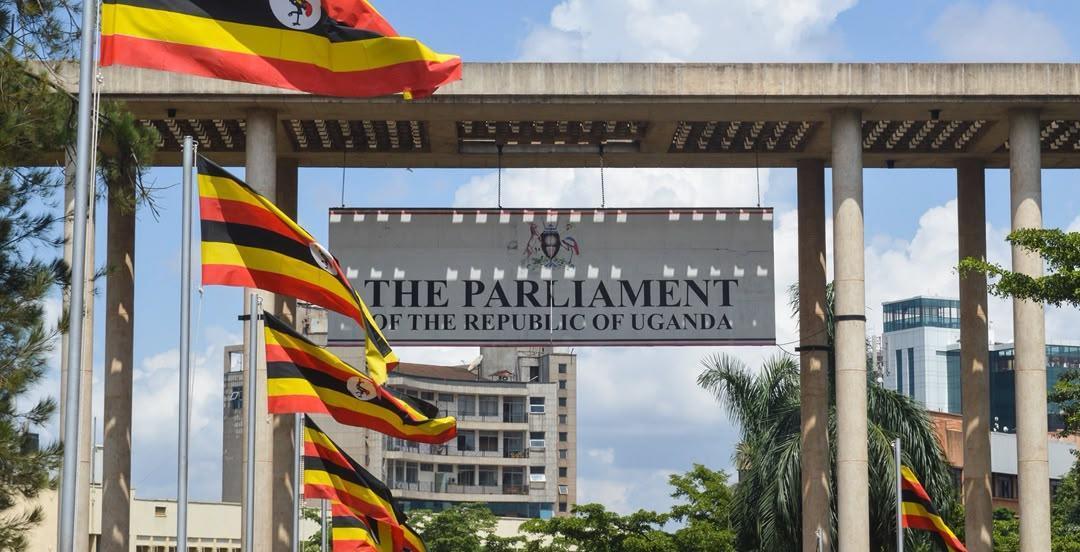
Africa-Press – Uganda. A coalition of civil society leaders has petitioned Parliament to investigate the suspension of 10 non-governmental organisations (NGOs), arguing that the action was unlawful because the National Bureau for Non-Governmental Organisations (NGO Bureau) was not legally constituted when the decision was made.
The petition, addressed to Parliament on Monday, asks legislators to investigate what the petitioners describe as an abuse of administrative power by officials in the Ministry of Internal Affairs and to compel the government to restore the affected organisations’ operations.
“We… respectfully petition the 12th Parliament of Uganda to exercise its constitutional oversight mandate over the Ministry responsible for NGO affairs and the National Bureau for Non-Governmental Organisations concerning the arbitrary suspension of 10 NGOs,” the petition states.
According to the petition, the organisations were suspended on January 9, 2026, through directives issued by the Commissioner in charge of the NGO Bureau.
The affected organisations are the African Centre for Media Excellence (ACME), Alliance for Finance Monitoring (ACFIM), Agora Centre for Research, African Centre for Treatment and Rehabilitation of Torture Victims (ACTV), Chapter Four Uganda, Centre for Constitutional Governance (CCG), National NGO Forum, Network of Public Interest Lawyers (NETPIL), National Coalition of Human Rights Defenders (NCHRD) and the Human Rights Network for Journalists (HRNJ).
The petitioners argue that the suspensions have disrupted the work of organisations involved in constitutionalism, governance, human rights, civic education, election observation and access to justice.
“These suspensions have unfairly crippled organisations working on constitutionalism, governance, human rights, civic education, election observation and access to justice,” the petition says.
At the centre of the petition is the claim that the NGO Bureau has not been lawfully constituted following amendments to the NGO Act in 2024 because its members have neither been appointed nor gazetted.
“The NGO Act establishes the National Bureau for Non-Governmental Organisations as the statutory body responsible for regulating the NGO sector. However… the Bureau has not been duly constituted because its members have neither been appointed nor gazetted as required by law,” the petition states.
The petitioners contend that, without a legally constituted bureau, there are grounds to question the legality of decisions made in its name, including the suspension of the organisations.
They also question whether the Executive Director and Commissioner had the authority to suspend NGOs independently.
“The suspension letters were issued by the Executive Director/Commissioner in the name of the National Bureau for Non-Governmental Organisations. However, the NGO Act appears to vest the power to suspend NGOs in the National Bureau rather than in the Executive Director or Commissioner acting independently,” the petition says.
The petition further argues that the indefinite suspension of the organisations violates constitutional guarantees, including the freedom of association and the right to fair administrative action.
“Administrative suspension cannot become permanent punishment through executive inaction,” it states.
The petition asks Parliament to investigate why the NGO Bureau has remained unconstituted, determine whether officials exercised powers reserved for the bureau, and examine whether the Ministry of Internal Affairs failed in its supervisory responsibilities.
The petitioners also want Parliament to direct the minister responsible for Internal Affairs to lift the suspensions, allow the affected organisations to resume operations, formally constitute the NGO Bureau by appointing and gazetting its members, and recommend disciplinary or legal action against any officials found to have acted outside the law.
“This petition concerns more than the fate of individual organizations. It concerns whether public officials may exercise powers that Parliament has never granted them,” the petition states.
The petition is expected to be considered by Parliament in line with its oversight and constitutional mandate.


