Africa-Press – Uganda. In reference to the current challenges of the Covid-19 pandemic, President Museveni in a recent address to the World Health Summit Regional Meeting in Kampala made remarks about ‘a wake-up call’ for Africa. There are many advocates of home-grown solutions to our health challenges who will agree with him, even if they may choose a different form of words.
At the onset of the pandemic lockdowns, social media abounded with quips about Covid-19 forcing African leaders to build their health infrastructure as they can no longer travel abroad for treatment. We live in a complex world and all these sentiments may not be entirely accurate reflections of the changing regional guidelines to combat a pandemic, but there is a moral lesson in each of them.
Government intervention in Uganda, informed by more recent experience with epidemics of Ebola and other viral haemorrhagic diseases, would be counted among the better prepared of the so-called resource poor nations. This protected the population from much greater hospitalisations and fatalities through 2020. But as most public health experts will attest, the first wave of a pandemic is easier to predict as it takes hold. Much later when other interventions impact and reduce the pandemic to an endemic disease, circulating in the population such as malaria, smarter public health approaches are needed.
A successful vaccine campaign can wipe out disease and while the developed world has marched ahead with vaccinating their populations, we are in the slow lane of vaccine poor nations relying mainly on COVAX to supply us with the AstraZeneca vaccines from the Serum Institute in India. As we progress our own targeted roll-out, the policy makers should factor in local population parameters that can support the vaccine effort. Key among these are our rural outdoor livelihoods and activities. It is interesting to note that children we used to pity from village schools who attended classes under trees can be safer from Covid-19 than those in developed countries with air-conditioned classrooms who are now thinking of building open-air tents for classrooms. Policy makers should factor this into a decision on schools returning in good weather and adapting to teach outdoors.
Similarly, when we build isolation centres, consider constructing the most basic housing unit. Such installations are well ventilated and much superior to the multi-room health facilities which are prime settings for contagion. We may be vaccine poor, but we are open air rich. We need to enact public health policies that draw on the benefits of the open air activities, both domestic, professional and economic. We need an ethos to conduct all public activities outdoors whenever possible.
Finally, how do we ration the precious supply of vaccines we receive from COVAX and other sources? Fully vaccinated people are those who have had two doses. However, the prospect of waning immunity is making the developed countries plan even a third dose, especially for the most vulnerable. Meanwhile, many of the vaccine poor countries are incubating the next deadlier variant. Policy makers in vaccine poor countries have little clout on what happens in the West. However, they need to harness the latest data and local efforts to mitigate the pandemic. Where there is poor vaccine coverage, the regulatory authorities should expedite the emergency licensing of the promising diagnostic innovations and therapeutics products that are home-grown with no limitation on production and roll-out in the national interest. This will help reduce the spread of disease and burden to the healthcare system from high numbers of the critically ill.
Finally, whilst we have little data on the vaccinated, there are a lot of studies coming out from developed countries. Among these I would highlight a recent study by the University of Oxford, which is under peer review in The Lancet, reporting a sustained level of protection for the best part of a year after the first dose. It further suggests that a delayed second dose gives a stronger boost to the immune system. Drawing from these reports, vaccine poor nations can think of spreading-out their vaccine stock, offering a first dose to more of the population, until enough supplies are available for a second dose. Policymakers should follow these reports closely because they open opportunities to review policy and improve health outcomes for our people in this pandemic.
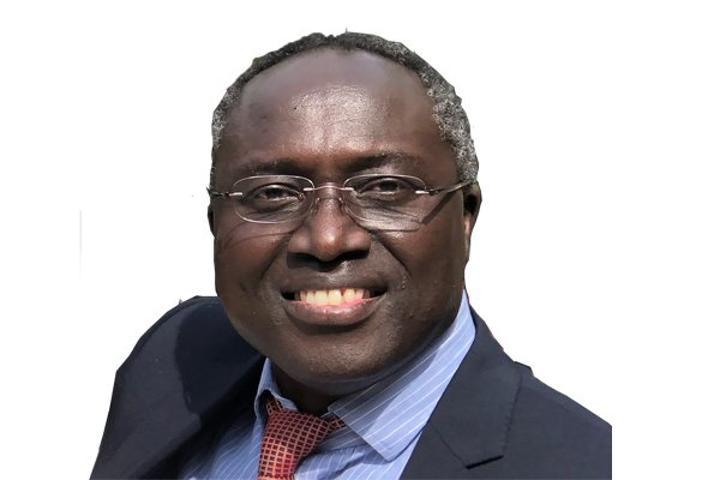
Dr Ferdinand Lali is a senior research fellow, The Griffin Institute, Harrow, London
Bishop Ankole Diocese