Faridah n Kulumba
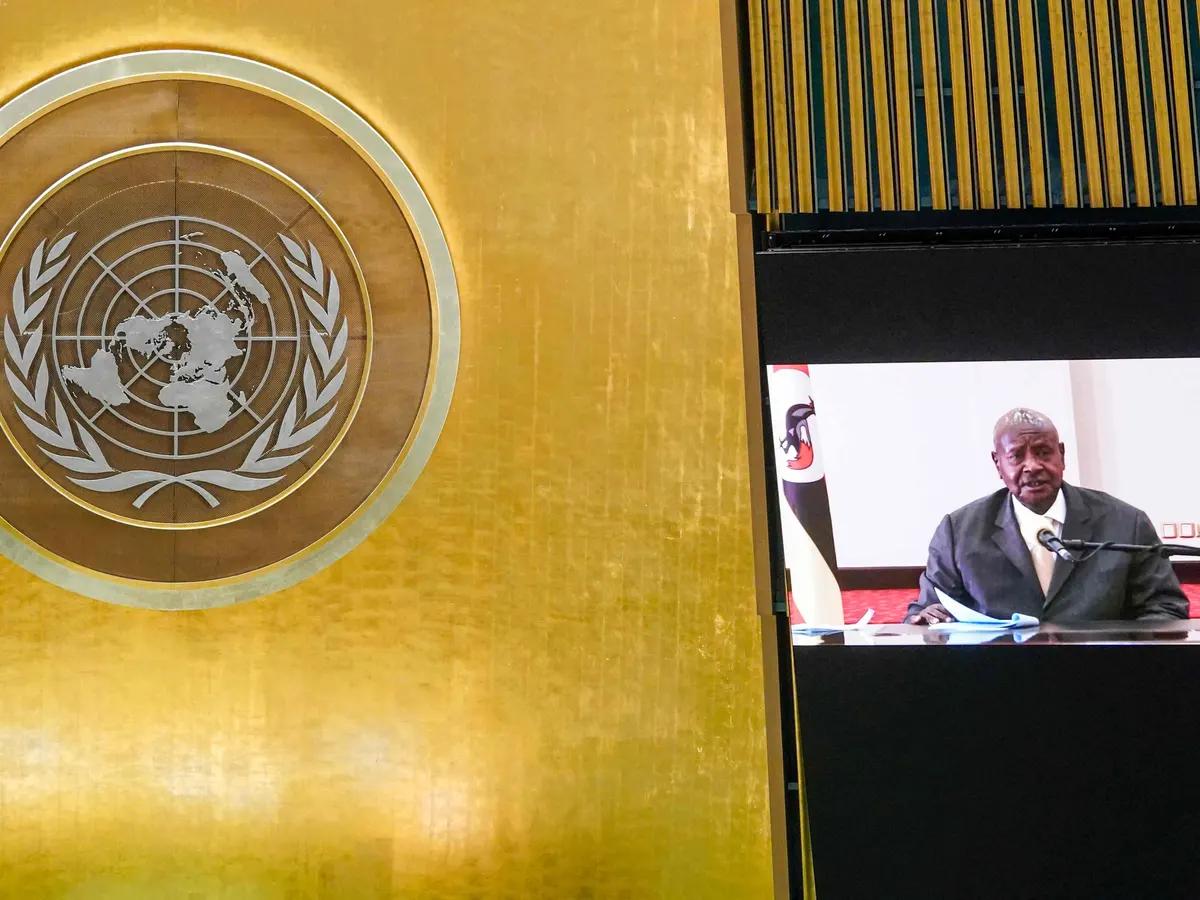
Africa-Press – Uganda. At the beginning of this month, the government of Uganda announced that it will not renew the mandate of the United Nations human rights offices in the country, arguing that Uganda is capable of promoting and protecting human rights.
The revelation
On the 3rd of this month Uganda’s Ministry of Foreign Affairs wrote a letter to the United Nations High Commissioner for Human Rights (OHCHR) explaining that due to the prevailing peace throughout the country, coupled with strong national human rights institutions and a vibrant civil society with the capacity to monitor, promote and protect human rights in Uganda, the government will not renew the mandate of the offices beyond the current term.
Uganda’s decision was confirmed by the OHCHR spokesperson Bernard Amwine.
OHCHR presence in Uganda
The OHCHR office in Uganda was established in 2005. According to the agreement signed, the OHCHR’s initial mandate was to focus only on human rights issues in conflict-plagued areas in north and northeastern Uganda.
In 2009, the organization’s presence in the country was extended to cover the entire country and all human rights issues. Since then the OHCHR has been discussing with Uagnda about the modalities of a continued presence in the country.
The letter written by the government of Uganda stated that the country is now peaceful and they have enough institutions that can handle human rights issues.
Human rights violation allegations and the UN intervention
Over the years, the current government headed by President Yoweri Kaguta Museveni has been criticized by the opposition, human rights activists, and the UN for human rights violations including torture, illegal detentions, and extrajudicial killings of opponents and critics.
In November, the United Nations Committee on Human Rights against Torture pinned the government of Uganda on human rights abuses. This followed the UN Committee Experts summoning the State’s human rights institutions and questioning them about unauthorized places of detention (safehouses) and inaction in prosecuting several torture cases.
The Committee’s concern was the report that revealed that torture and ill-treatment continued to be frequently practiced in Uganda and that reports indicated excessive use of force within the context of Covid-19 emergency measures.
Another concern is the reported non-implementation of the Prevention and Prohibition of Torture Regulations of 2017 by security agencies, including the Uganda Police Force. And that the victims have limited access to justice due to prosecutors and judges lacking sufficient evidence to prosecute cases of torture.
In May 2022, the leader of the opposition Hon. Mathias Mpuuga, during plenary sitting, presented names and contacts of the persons reported missing and asked the government to at least declare them dead and avail their remains or to produce them to the courts of law.
The Committee urged the Ugandan government to abolish the use of unauthorized places of detention (safehouses) and immediately provide information about all places of detention. They also tasked Uganda to conduct investigations and prosecute officials involved in arbitrary detention and unauthorized detention places and ensure that victims had access to adequate remedies.
On Monday 13th, 2023, Robert Kyagulanyi alias Bobi Wine the leader of the leading opposition party National Unity Platform (NUP), paraded one of the party supporters Eric Mwesigwa whom he said was abducted two weeks back by President Museveni’s thugs and was released when his body was full of burnt wounds from torture. The following day the victim’s lawyer George Musisi petitioned the Uganda Human Rights Commission seeking justice for his client.
On 31 December 2022, President Museveni while addressing the nation leisured Ugandans by assuring them that they do not need to worry because Uganda is safe now and that the situation is under control.
Activists and oppositions’ opinions on whether Uganda is capable of upholding human rights
The human rights activists in Uganda do not believe that the government of Uganda is capable of upholding human rights issues without the OHCHR intervention. They accused the government of playing hide and seek whenever renewal of the mandate came up.
Upon hearing the news of the closure of the office of U.N Human Rights, members of the Torture Survivors Movement Uganda protested outside the premises of the Uganda Human Rights Commission calling for the resignation of the commission chairperson.
The NUP leader Bobi Wine said his party does not have any trust in the National Human Rights Commission office to deliver justice to victims and their families.
Also, the United States ambassador to Uganda Natalie Brown reacted to the OHCHR office closure by saying that a country cannot move forward if it does not respect the human rights of its citizens. She advised Ugandans not to keep quiet when their rights are violated and seek help from civil society.
Meanwhile, the government of Uganda insists that the closure of the U.N human rights office in the country will not affect the cooperation between the two parties and that they will continue to associate with officials through their headquarters or their permanent mission in Geneva.
For More News And Analysis About Uganda Follow Africa-Press