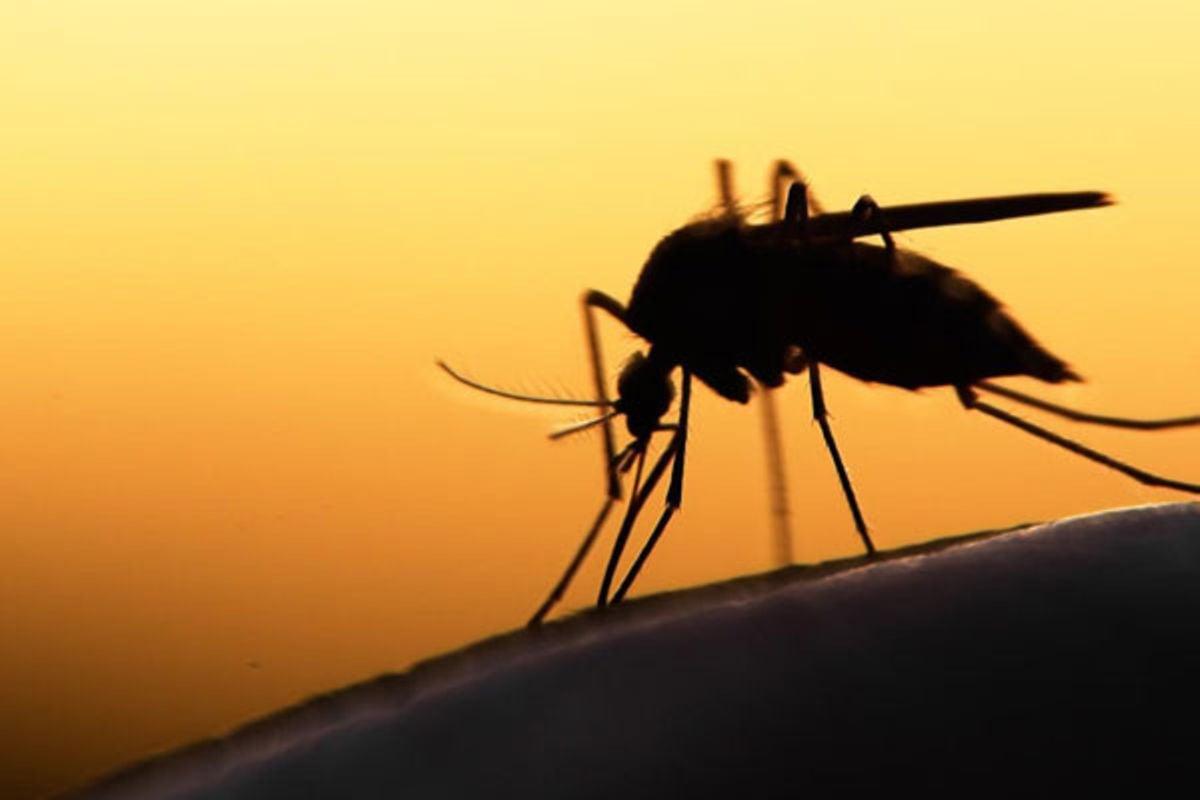
Africa-Press – Uganda. The weatherman recently reported that “near-normal to below-normal rainfall” is forecast for several regions in Uganda next month. The report also proceeded to note that “rainfall in south western, central and [the] Lake Victoria basin is expected to be near-normal to above normal” during the corresponding period. Farmers, who were sucker punched by recent droughts, must doubtless be rubbing their hands in anticipatory relish. Not as bullish are Ugandans that have their finger on the pulse of malaria transmission. In fact, rain or shine, empirical evidence shows that the disease burden in hotspots like the East African highlands and Lake Victoria basin has continued to weigh on the minds of their inhabitants.
The pattern that has emerged is of climate change increasing the transmissibility of the deadly tropical mosquito-borne parasitic disease in traditionally malarious areas. Warmer temperatures at lower altitudes for instance enable malaria-carrying mosquitoes to develop faster. The same breed of bloodsucking vectors thrive in wet conditions at higher altitudes. We commend the government of Uganda for being alive to the constant drizzle of grievance and disappointment that falls daily on Ugandans thanks to malaria. Bed net distribution and household level spraying has had varying degrees of success in our undulating country lanes. But, as the Health ministry’s most recent dataset indicates, there is still much work to be done.
The most recent statistics capture a weekly caseload of between 140,000 and 150,000. This, by any measure, is staggering. But, perhaps, more worrying is the fact that state actors are yet to grasp the degree to which climate change has shifted the transmission risk for malaria in the country.
Climate change is better understood thinking about it in terms of the wets becoming wetter and the hots hotter. Put simply, it is an extreme of either. When a drought turns a river into strings of pools, the residual water creates a classic breeding ground for mosquitoes. Similarly, good breeding conditions for mosquitoes see the light of day whenever the heavens let loose.
Our malaria control strategy has to be alive to the shifts heralded by climate change. This should not just be limited to rainfall patterns and temperature, but also other climatic conditions such as humidity. The surveillance systems and preparedness have to be rethought so as to deal the disease a decisive blow.
If state actors become intentional about building capacity in this regard, early detection and prompt treatment of cases will see Uganda take a giant leap insofar as malaria elimination is concerned. The key thing is to come to the realisation that success will not fall into our lap.
As we sketch the outlines of the problem at hand, we must realise that just as important is the fact that the shifting sands of atmospheric conditions can neither be ignored nor wished away. The effects of climate change in the 21st century should be met with a 21st century lens
For More News And Analysis About Uganda Follow Africa-Press