Africa-Press – Uganda. The warning from the United States government that Uganda risks losing $400 million (Shs1.4 trillion) funding for HIV/Aids if the anti-homosexuality Bill is signed into law, has rekindled debate about Uganda’s capability to sustain its critical sectors.
The confidence of some legislators that the country can sustain itself if donors withdraw, is a plus, but should not just be a reaction to threats from donors. We should, as a sovereign State, use the locally generated revenues to fund critical sectors such as health and education.
As a country, we still have many cases of mismanagement of funds; corruption, wastage, and diversion of resources to areas that are not critical to the population.
A section of legislators said the US should continue supporting the people living with HIV/Aids if their support was out of goodwill, but go ahead and cut the funds if their intention was to push the homosexuality agenda through it.
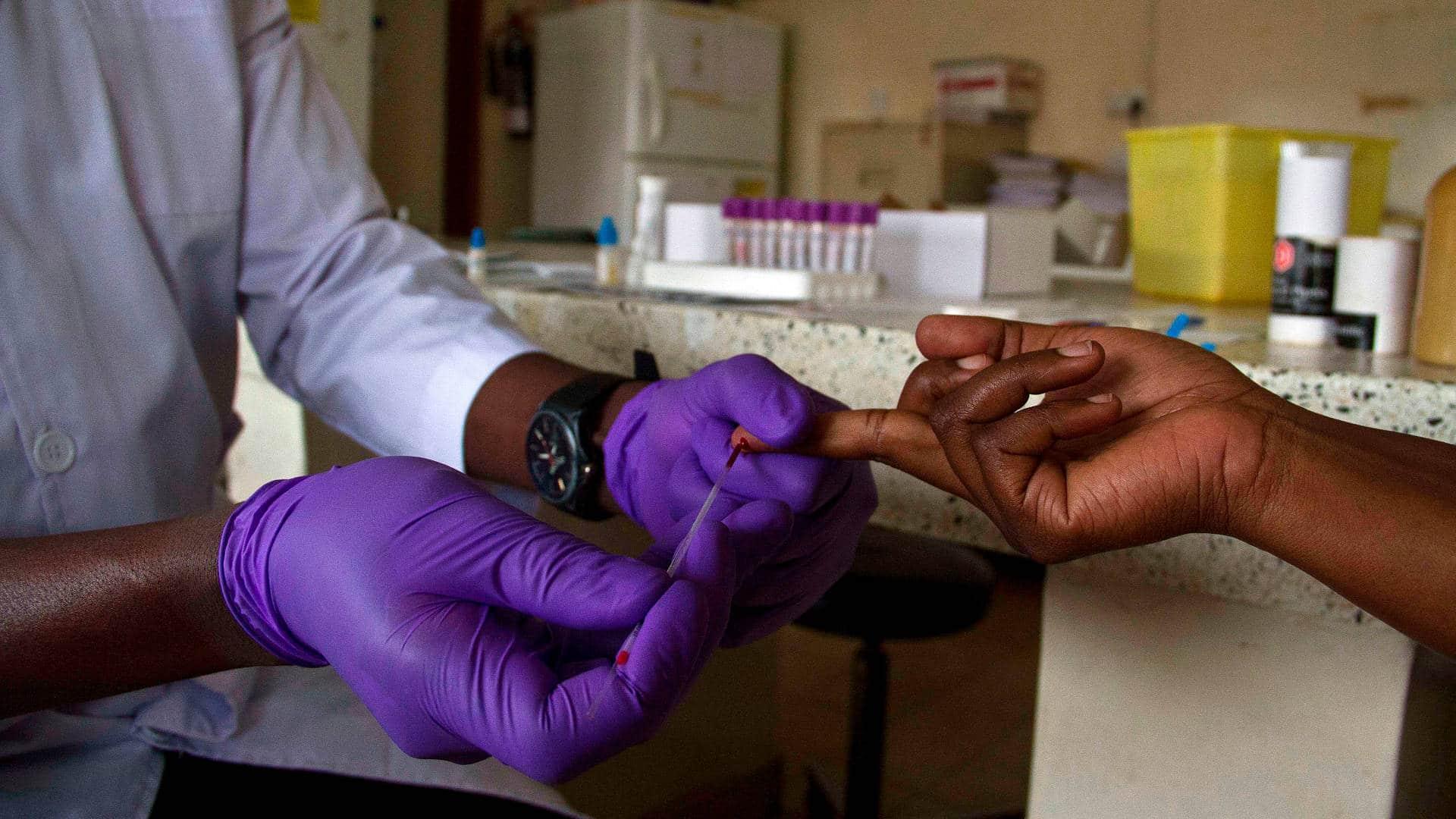
Washington, through the President’s Emergency Plan for Aids Relief (Pepfar), buys the life-saving anti-retroviral drugs for the majority (about 90 percent) of the 1.4 million Ugandans living positively, signalling lapses in how the country prioritises critical sectors.
The continued flow of the financial support has turned uncertain after US Global Aids coordinator, Dr John Nkengasong, citing the anti-gay legislation, indefinitely deferred Uganda Country Operational Plan 2023 (COP23) final presentation meeting due this week.
The import is a stalled decision on Uganda’s eligibility for continued Pepfar support or applicable amount, an outcome the Americans have tied to whether President Museveni signs anti-homosexuality Bill into law.
He returned the Act, which Parliament enacted on March 21, so that legislators can revise some provisions, including who to criminalise; rehabilitation for individuals giving up their sexual orientation and dropping the mandate on others to report suspected homosexuals to authorities.
The MPs, in their sitting next Tuesday, will exercise all the powers given to them by the population to determine the fate of the country, especially regarding the risks of losing foreign donations over this legislation.
Parliamentarians egged on by vocal faith leaders, last month passed the Bill in a sitting with 389 members, with the iron-clad majority. The MPs are also confident that the country can sustain itself if the donors like Pepfar stop supporting the country.
We should address corruption and plug areas of wastage that have affected the country’s ability to deliver services to the population.
The most recent was the concern by the head of parliamentary Health Committee, Dr Charles Ayume, that money allocated to Mulago hospital was instead given to construction of Lubowa hospital, which is surrounded by controversies.
For More News And Analysis About Uganda Follow Africa-Press