By Esther Bridget Nakalya
Africa-Press – Uganda. In a bid to rapidly expand cervical cancer testing and raise awareness of the disease, the government has moved to strengthen a programme it rolled out in Bunyoro Sub-region six years ago.
Since 2017, the screen-and-treat initiative for human papillomavirus (HPV) has reached more than 10,000 women in districts such as Kagadi, Kibaale and Kakumiro.
Ms Lucy Noeline Kansiime, the programme coordinator, tells Saturday Monitor that 400 swabs have come back positive for cervical cancer during the period, with as many as 80 percent of those red-flagged receiving treatment to destroy precancerous cells in the cervix.
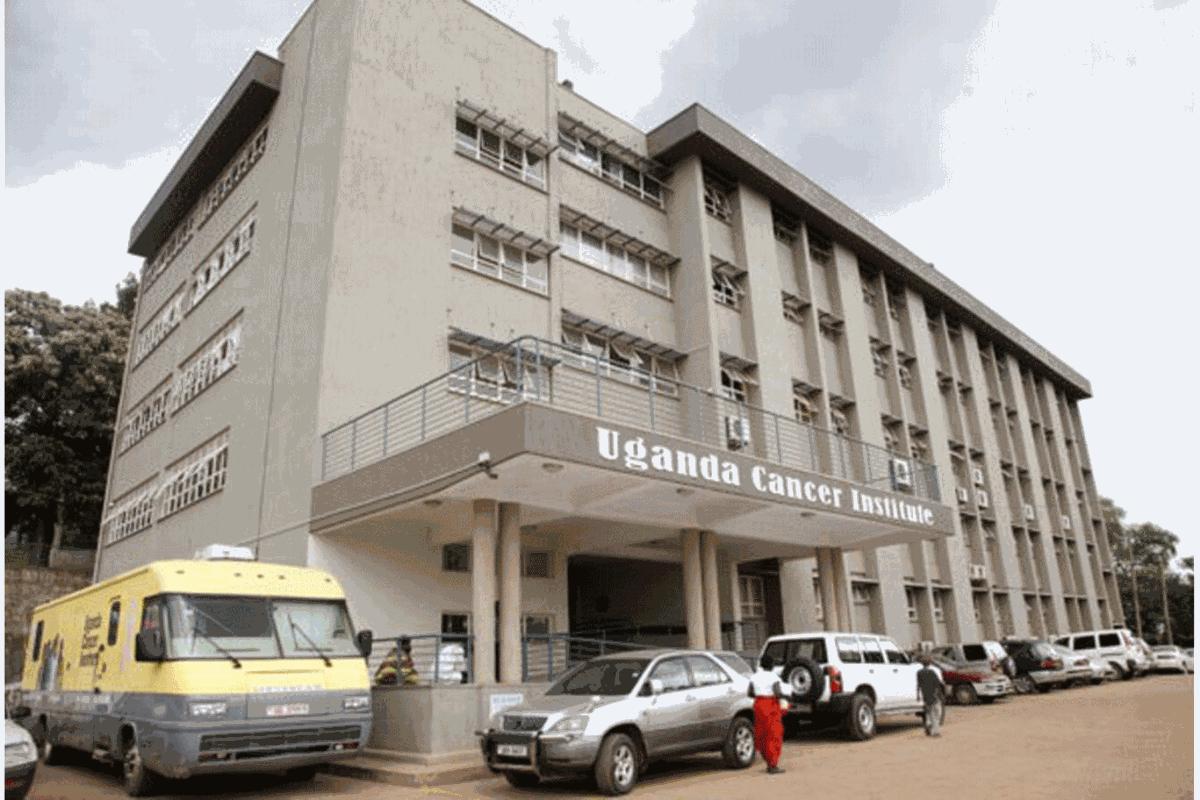
“The purpose of the project was to pilot test and see if it is attainable and be able to avail success stories for basis of integration,” Ms Kansiime says of the programme in which Uganda Rural Development Institute partners with Uganda Cancer Institute, Female Cancer Foundation and Ministry of Health to target women aged between 25 and 49.
The programme is aligned with the global strategy that sets out to ensure that cervical cancer is eliminated by 2030.
Cervical cancer is—as per the World Health Organisation or WHO—the fourth most common cancer in women worldwide. The burden is more pronounced in low- and middle-income countries where deaths attributed to the disease stand at 90 percent.
Empirical evidence shows that cervical cancer takes anywhere between 15 to 20 years to develop.
All countries have to maintain an incidence rate of below four per 100,000 women to eliminate cervical cancer. The most recent statistics put the rate in Uganda at 30 per 100, 000, with the mortality rate estimated at 19.9 per 100 000.
Programmes such as the one in Bunyoro Sub-region have sought to galvanise efforts to tackle the disease. Ms Agnes Chandia Baku from the Health ministry encourages men to “also be involved in screening in order for them to understand the magnitude of the problem and the interventions women require to take in treatment.” She adds: “Adolescents should be given information about their sexual reproductive system in order for them to take charge and avoid early sex, which is one of the precursors of cervical cancer.”
The WHO has set some steep targets for cervical cancer elimination by 2030. These include fully inoculating 90 percent of girls with the HPV vaccine by the age of 15 as well as having 70 percent of women screened by at ages 35 and 45. Elsewhere, 90 percent of women who are pre-cancerous should be treated and 90 percent of women with invasive cancer should have the condition managed.
“We have been able to treat 80 percent of pre-cancerous women in the same visit and referred about 5 percent for further management,” Ms Kansiime discloses, adding, “There is scarcity of human resources in the health facilities since the nurses have other hospital duties.”
The feats of the programme’s field outreaches where health workers go door to door in villages and mass awareness campaigns nevertheless continue to encourage its organisers and funders.
Cervical cancer
Cervical cancer is cancer that starts in the cells of the cervix. The cervix is the lower, narrow end of the uterus (womb).
The cervix connects the uterus to the vagina (birth canal). Cervical cancer usually develops slowly over time. Before cancer appears in the cervix, the cells of the cervix go through changes known as dysplasia, in which abnormal cells begin to appear in the cervical tissue.
Over time, if not destroyed or removed, the abnormal cells may become cancer cells and start to grow and spread more deeply into the cervix and to surrounding areas.
Source: Monitor
For More News And Analysis About Uganda Follow Africa-Press