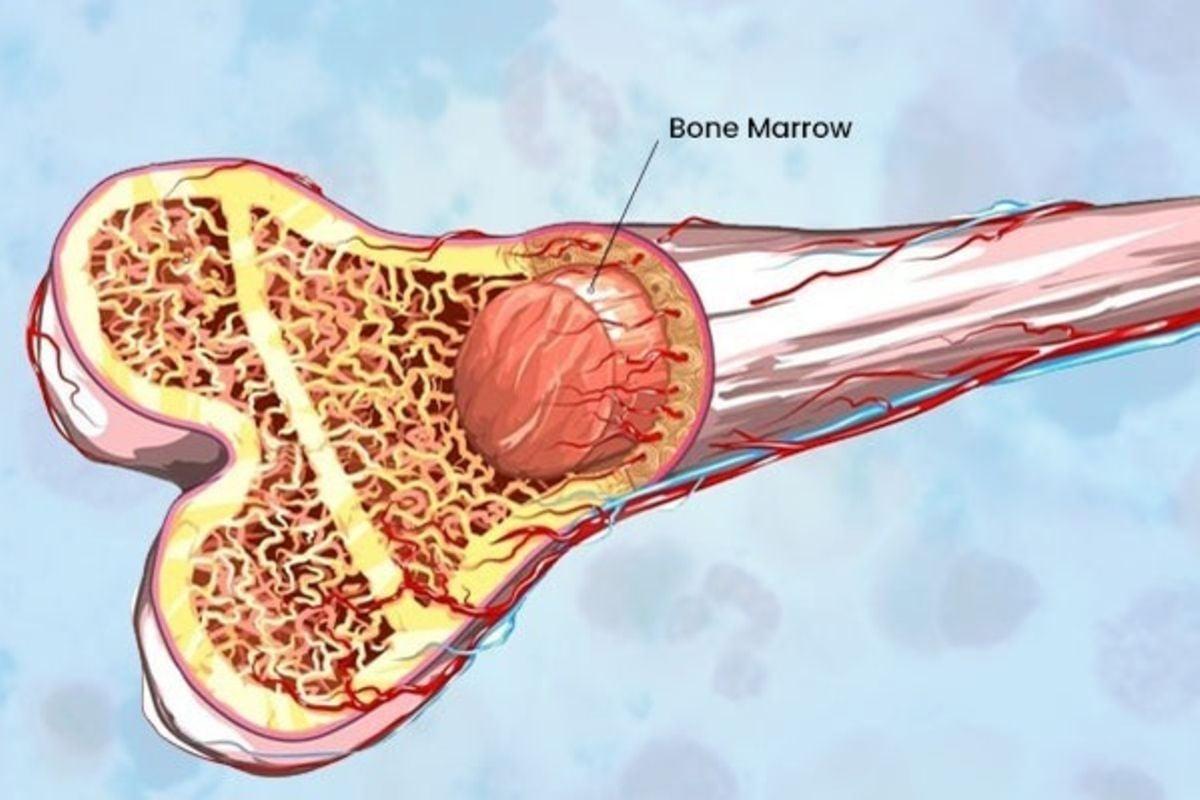
Africa-Press – Uganda. Reports that oncologists see a near future in which bone marrow transplants become part of the treatment protocol for patients of cancer and other non-communicable and incurable disease in Uganda are uplifting.
In very hobbling circumstances, engendered by a wide range of disabling factors, including the NRM government’s reckless refusal to appropriately fund public health care, our medical fraternity continues to astound with their remarkable application.
A decade or so ago, we were suitably impressed when Mulago National Referral Hospital announced successful open heart surgery carried out in relatively primitive facilities. Life-saving heart surgery continues to be done there today.
Now, the Uganda Cancer Institute (UCI) — which has been treating thousands of Ugandans even as we see a rise in cancer incidence and mortality — envisages the availability of bone marrow transplantation within three years. A landmark, albeit very expensive, alternative, but we should also be cautious about it.
Sometimes referred to as stem cell transplantation, this intervention has taken some quite revolutionary steps forward since 1956 when the first successful transplantation was carried out at a New York, USA facility in a place called Cooperstown. Dr E. Donnall Thomas carried out the procedure on a child suffering from leukaemia (a blood cancer), transplanting bone marrow from their identical twin.
However, there has also been some considerable and recent reporting on the risks involved. Transplantation is a complex medical procedure, requiring the matching of donor and recipient. Post-procedure complications are common and may result in death, not least when the host’s (recipient) system rejects what has been infused and begins to attack it.
Where cancer is being treated, there is the added risk that a patient may develop what is referred to as a secondary cancer – usually unrelated to the original condition.
It is, therefore, critical that the medical fraternity ensures that all the ethical safeguards are in place to assure the integrity of this form of care whose benefits can be extended to the management of the seriously debilitating sickle cell disease and aplastic anaemia – conditions which are becoming endemic in Uganda.
In May, it was reported that President Museveni had signed the Uganda Human Organ Donation and Transplant Bill, 2023, into law. Hailed as game-changing and a landmark addition to the general health regulatory framework, the law underlines that any transplantation or organ donation must only be carried out “to the therapeutic benefit of the recipients where there is no alternative therapeutic method of comparable effectiveness”.
Care was also taken to write into the law specific guidelines for how cell, tissue or organ harvesting can be done, highlighting the requirement of donor consent. This proviso directly targets the lucrative organ trafficking menace. We should worry because many Ugandans have been victims of organ/tissue harvesting disguised as the equally criminal practice of ritual sacrifice. Otherwise, well done, again UCI.
For More News And Analysis About Uganda Follow Africa-Press