Faridah N Kulumba
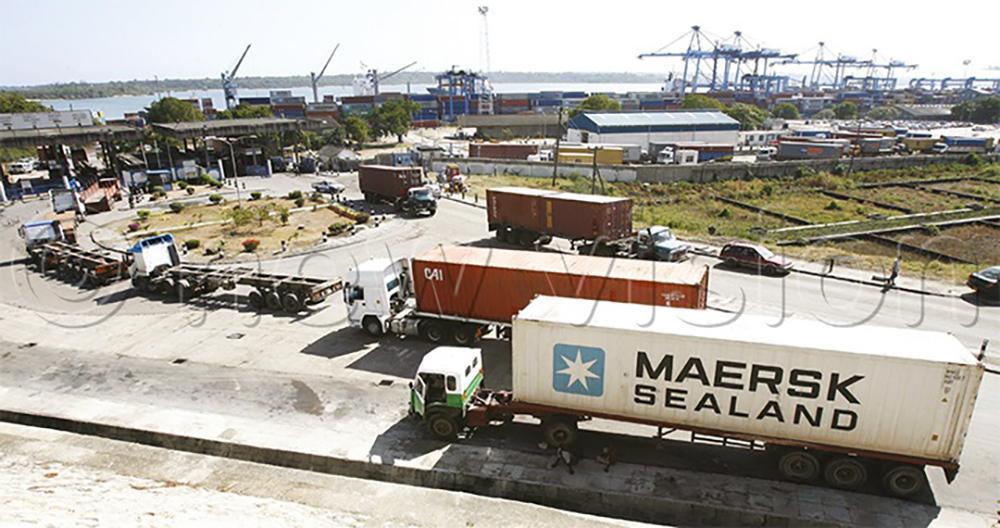
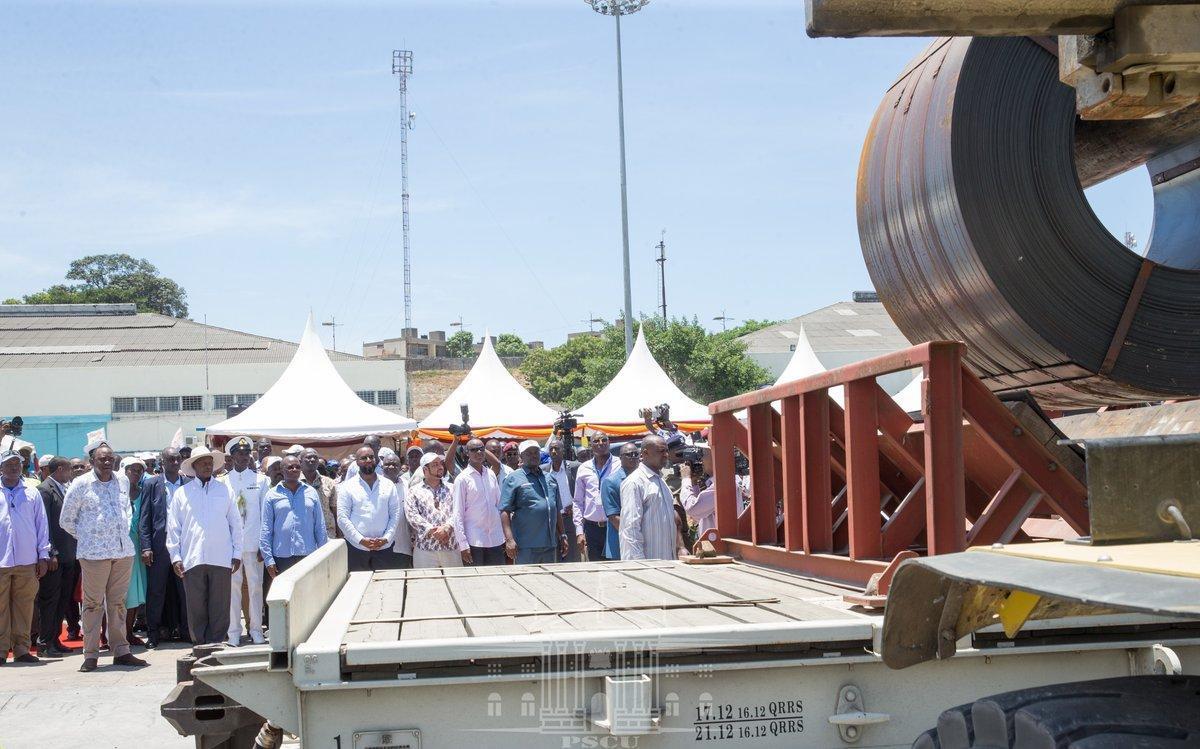
Africa-Press – Uganda. The Kenya Ports Authority (KPA) revealed last week that they started a discussion with the government of Uganda to establish a dry port in Kampala, the capital of Uganda. The talks took place in Kenya between KPA Managing Director Capt William K Ruto and the delegation from Uganda’s Parliamentary Committee on Finance, Planning and Economic Development.
Aim of the project
According to Capt Ruto the facility that will be named KPA-Uganda is a joint venture between the two nations and that it aimed at streamlining business operations for Ugandan importers. The inland port in Uganda will help to cut the costs of transporting goods from Mobasa to Kampala. Mr Ruto explained that his country wants to make doing business easy for the Uganda importer and that this well-executed plan will lessen the distance between the two neighbouring countries.
Uganda pleased to support the project
Ruto also appealed to Ugandan legislators to support Kenya’s proposal so that both nations can make the movement of cargo from the Port of Mombasa to Uganda very seamless.
Is Kenya trying to save business?
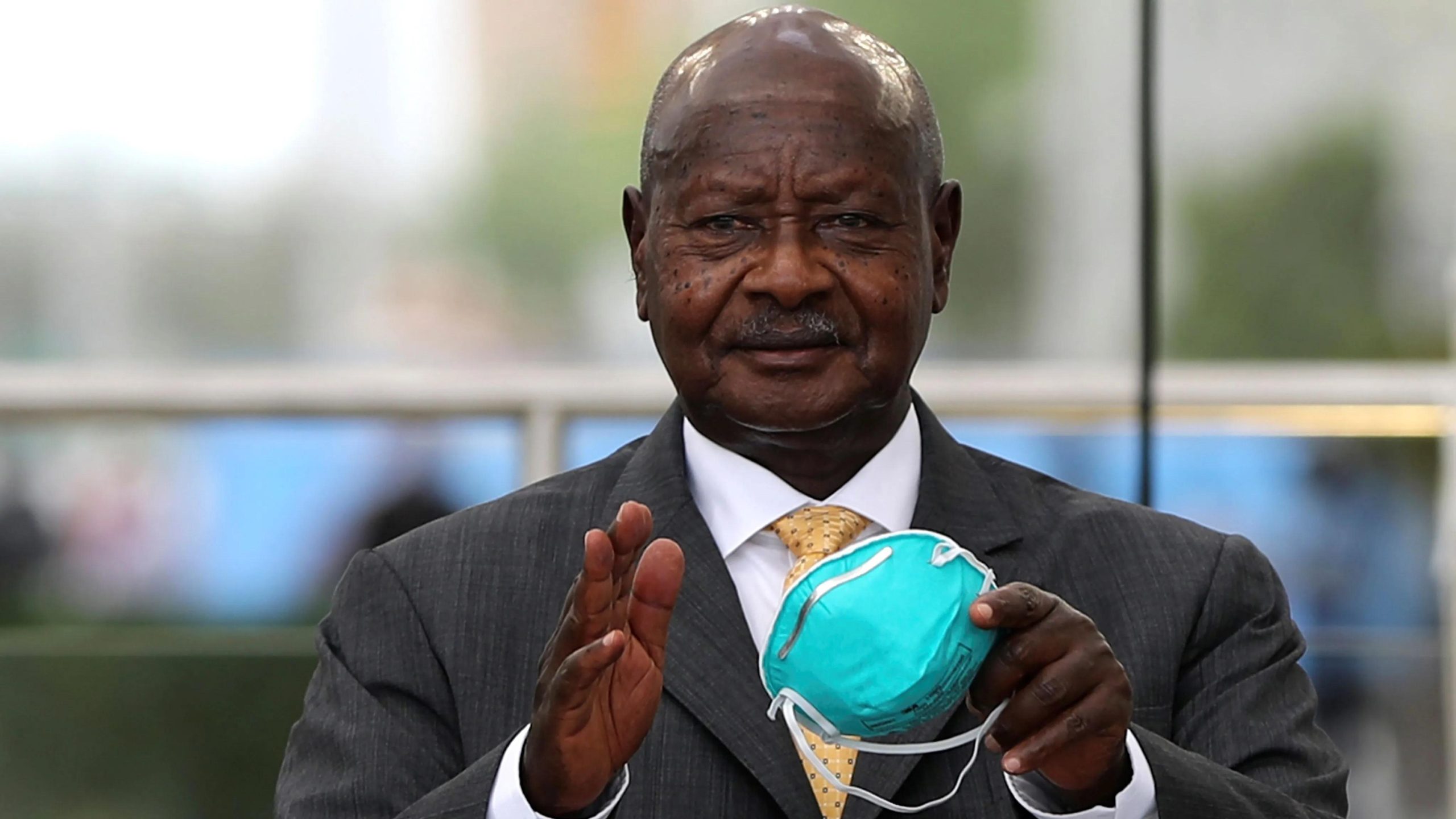
The Kenya-Uganda dry port collaboration announcement comes in the wake of a bitter row over fuel supplies that recently erupted between Kenya and Uganda, with the President of Uganda Yoweri Kaguta Museveni accusing Kenyan middlemen of inflating oil prices. At the beginning of this month, the government of Uganda revealed that it is in preparation to make amendments to petroleum imports that will kick out neighbouring Kenya. This followed Uganda’s Energy Minister Ruth Nankabirwa tabling the Petroleum Supply (Amendment) Bill 2023 that was presented in parliament. The tabled amendments Bill hand over exclusive rights for the supply of all petroleum products to a unit of global energy trader Vitol and end a system that sources the oil products through Kenya. President Museveni also supported this move saying that the country was losing billions by buying fuel through middlemen and that the new deal would solve this. Museveni said his country was being “cheated” by “parasites” and middlemen who have resulted in inflated fuel costs by up to 58 per cent, causing a “huge loss” for his country, a situation which has sparked jitters of frosty relations between the hitherto strong business partners. He added that Uganda imports 2.5 billion litres of fuel per year worth USD 2 billion but noted without his knowledge, officials opted to buy it by dealers in Kenya.
Alternative route
According to Museveni, it is better to buy petroleum from the refineries abroad and transport it through Kenya and Tanzania reason being this cut out the cost created by dealers. Museveni noted that dealers were selling diesel to Uganda at a price of USD 118 yet the price for bulk suppliers and refineries is USD 83. Whereas petrol dealers would sell it at USD 97.5 and refineries all at USD 61.5 and for kerosene, middlemen sell it at USD 114 and the refinery at USD 79. The government of Uganda argues that the proposed system will stabilise fuel stocks, create security of supply, and solve price fluctuations. The price of fuel has in the past three months increased from Ush4,900 (USD 1.29) to Ush5,400 (USD 1.42) per litre of petrol. A similar percentage increase has been registered with all the petroleum products. For decades, Kenya has imported oil and sold it on to its East African neighbours—but its role as the main gateway for supplying fuel to the region is now at risk.
How the Ugandan petroleum plan can affect Kenya
Currently, the companies in the Gulf supply petroleum products to only three Kenyan companies that in turn sell to Uganda’s oil marketing companies. If the open tender system used by Ugandan companies to buy petroleum products from Kenya changes, Kenya will lose up to USD 100 million it has been earning from handling Uganda’s petroleum and related products per year. About 40 per cent of the fuel Kenya imports is exported, mostly through Uganda to the Democratic Republic of Congo and South Sudan.
Dry port set-up attempts
Uganda has previously tried to establish a dry port in Naivasha Kenya but the move was blocked over claims that the land that had been earmarked for the project had encumbrances. In March 2019, the former President of Kenyan Uhuru Kenyatta while hosting President Museveni in Mombasa offered land to Uganda to construct a dry port in Naivasha to reduce the cost of transportation of cargo from Mombasa to Uganda. Uganda, which transits at least 35 million tonnes of cargo annually through the Port of Mombasa accounts for 25 percent of cargo channelled through the port. The dry port at Naivasha had been part of a fast-tracking project of the standard gauge railway, which Capt Ruto said had been extended from Mombasa to Naivasha, with plans of extending it to Malaba, already underway. Uganda continues to explore alternative routes for its imports with a focus on Tanzania, which could be putting pressure on Kenya to provide better services after years of agitation.
For More News And Analysis About Uganda Follow Africa-Press