Faridah N Kulumba
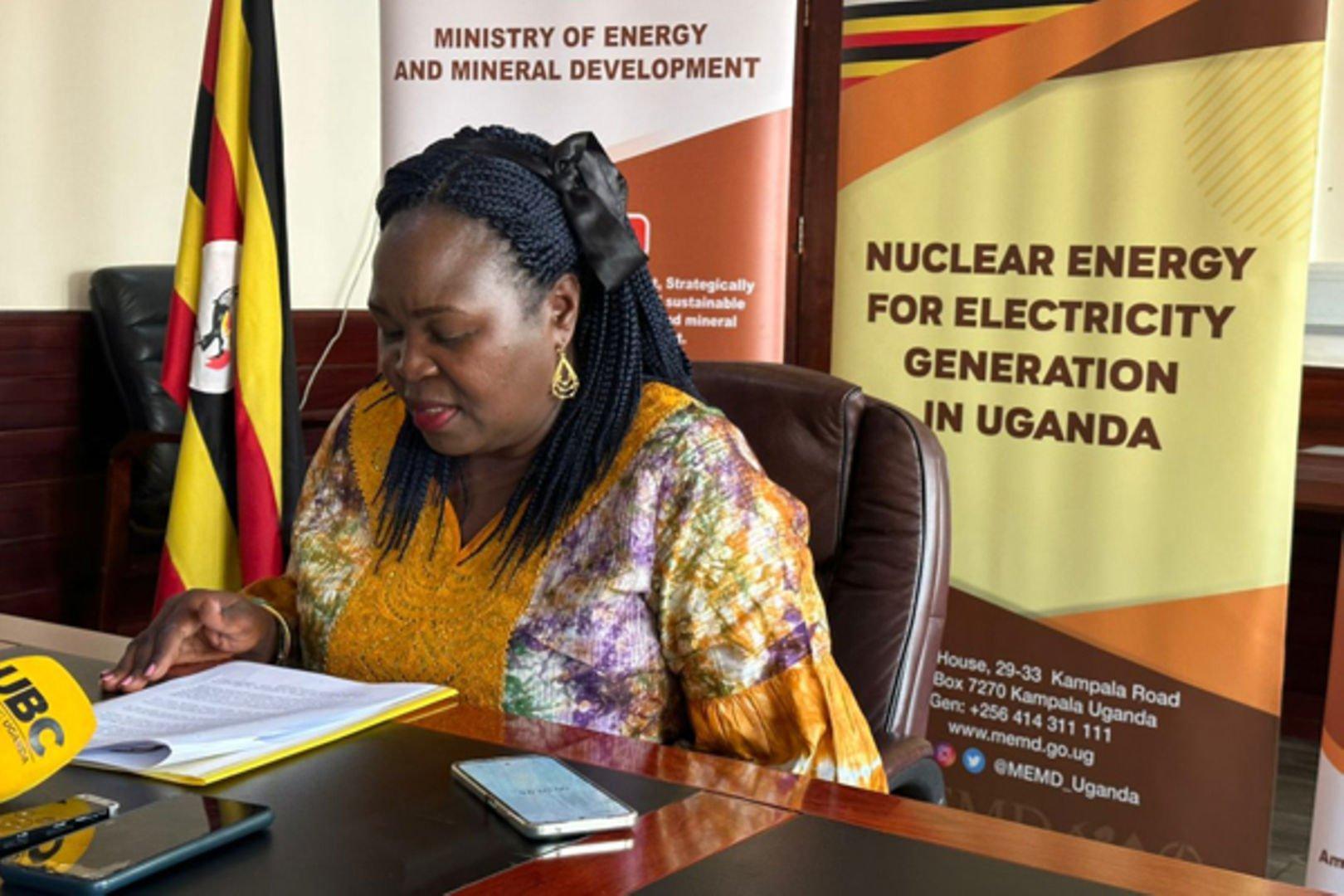
Africa-Press – Uganda. The government of Uganda this week announced that they are targeting to produce 100 metric tonnes of Liquefied Petroleum Gas (LPG) by 2025.Ugandan top officials in the Ministry of Energy and Mineral Development revealed that the production of LGP is intended to replace wood energy. Mr Dozith Abeinomugisha, the director of midstream at the Petroleum Authority of Uganda (PAU) confirmed that by 2025 Ugandans will start consuming gas that is manufactured domestically.
Convenience of homemade LPG
According to the officials, the locally produced liquefied petroleum gas is expected to be cheaper than the imported products on the market. Currently, Uganda consumes about 20 metric tonnes of LPG annually. This means that the country will have an excess of 80 metric tonnes of LPG hence the regional markets will be the key targets. The LPG gas currently consumed in Uganda is imported from Arab oil-producing countries through the Organization of the Petroleum Exporting Countries (OPEC). Previously, in Uganda LGP was obtained from associated gas produced by the crude oil normally that gas would be flared or burnt to get oil and sell. But in recent years gas has become variable and the Uganda law does not allow flaring hence the government had to find ways of commercializing it.
Cheaper LPG circumstances
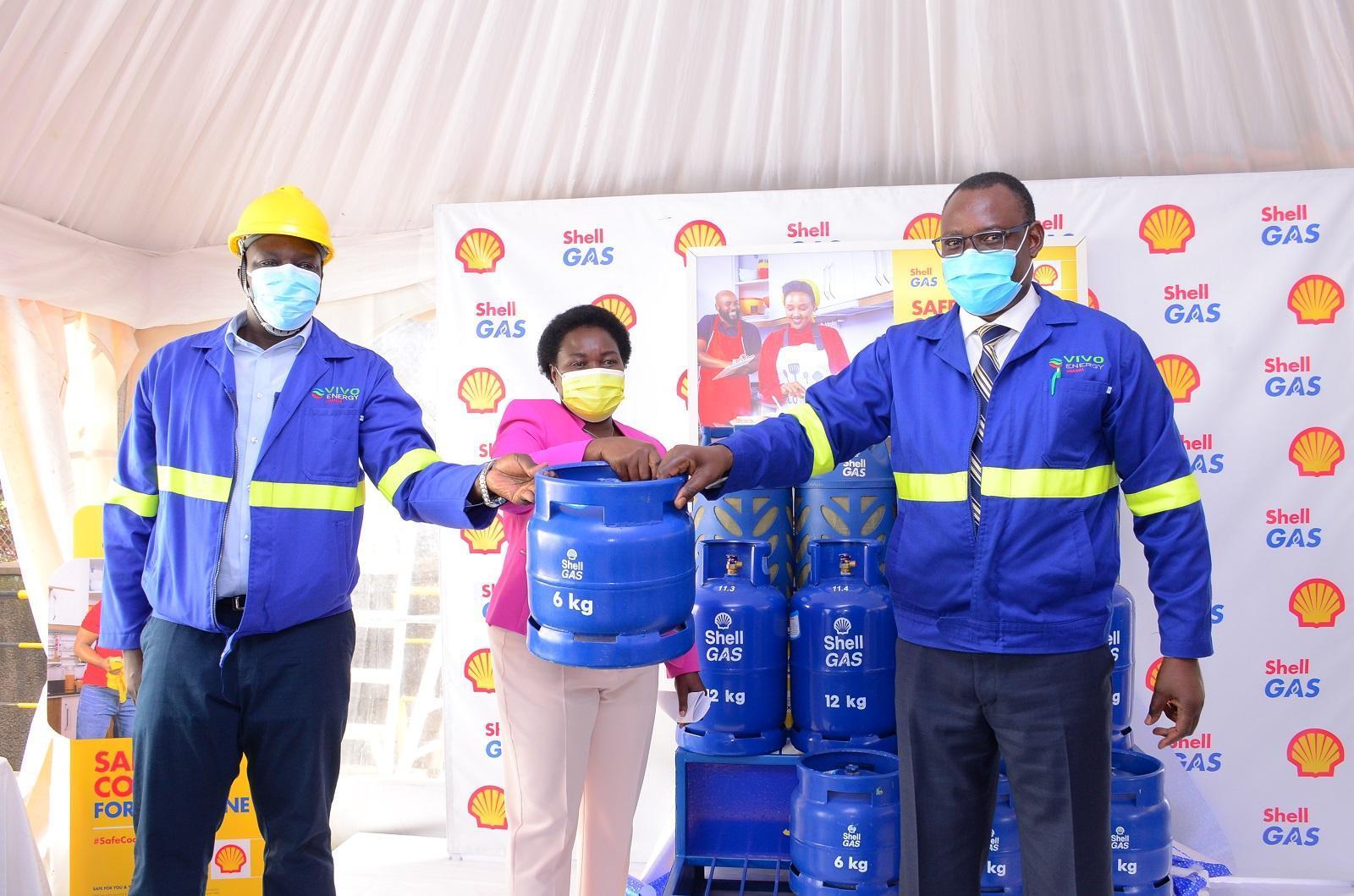
In the 2020/2021 financial year, the government of Uganda introduced tax reforms that exempted LGP from the Value Added Tax (VAT) to make LPG affordable. The LPG facility in Buliisa District is at the design stage and once complete, production will start. LPG is obtained from the gas which is produced together with oil. That means oil is first extracted then gas is also collected so that used to make LPG in different facilities in place.
Operation permit
Mr Abeinomugisha said the French multinational integrated oil and gas company Total Energies has already applied for licensing from the Uganda Electricity Regulatory Authority. Since 2021 climate activists have been staging protests against Total Energies for human rights violations, green-washing strategies, and climate inaction. In May 2021, climate activists staged protests at Total’s petrol stations in African countries, including Uganda, Kenya, Benin, Togo, Democratic Republic of Congo, Egypt, Ghana and Nigeria. The protesters are accusing Total of being involved in controversial projects across the African continent, notably the East African Crude Oil Pipeline (EACOP) and the Mozambique Liquefied Natural Gas (LNG) project that have witnessed displacement of people from their land as well as several human rights abuses. Total is the leading petroleum product retailer in Africa, with a network of more than 4,000 service stations. And it aims to grow its market share from 17 percent in 2015 to more than 20 percent. The company is expanding on the continent with the acquisition of Gulf Africa Petroleum Corporation’s (GAPCO) assets in Uganda, Kenya, and Tanzania.
Total Energies in Uganda
Total Group has been in Uganda since 1955 through the Marketing and Services division for which it is the market leader with over 129 fuel stations, lubricant, LPG aviation fuel, and general retail businesses. It has an estimated market share of 22 Percent. In 2010, Total also established an exploration and production affiliated Total E&P Uganda, which began operations, in the Lake Albert region district in February 2012. In Uganda, Total is leading the development activities towards production in the Tilenga project area based in Murchison Falls National Park. Tilenga Project is expected to 80 metric tonnes of LPG while Kingfisher is expected to generate 20 metric tonnes of LPG come 2025.
Uganda 2025 oil plans
The Ugandan government is on track to ensure that the first drop of oil is produced by the end of 2025. This was revealed by the Minister of Energy and Mineral Development, Hon. Ruth Nankabirwa in October this year. saying that the government and its partners are working tirelessly to make it. According to Nankabirwa, the government has already drilled a total of 11 oil wells; eight in the Tilenga and three in the Kingfisher area, with a capacity to produce up to 190,000 barrels and 40,000 barrels of oil per day respectively. In total, the production will require a total of 457 wells and 35 well pads. The development and production wells at the Kingfisher field in Kikuube district was launched in January this year by President Yoweri Kaguta Museveni, while those at the Tilenga Project located in the Albertine Graben within the Buliisa and Nwoya districts commenced in June 2023. The construction of the Central Processing facilities both at Kingfisher and Tilenga is ongoing and on schedule to be ready by 2025. Tilenga’s capacity Central Processing facility which is under construction is currently 33 percent complete while Kingfisher’s capacity Central Processing facility is at 12 percent.
Determination
The Ugandan Ministry of Energy plans to conclude the formulation of a comprehensive National Petroleum Policy before the end of this Financial Year. The new policy will create a conducive environment for faster and more efficient exploration, development, production, and commercialization of discovered resources and utilization of petroleum products in the country while acknowledging the energy transition initiatives.
For More News And Analysis About Uganda Follow Africa-Press