Faridah N Kulumba
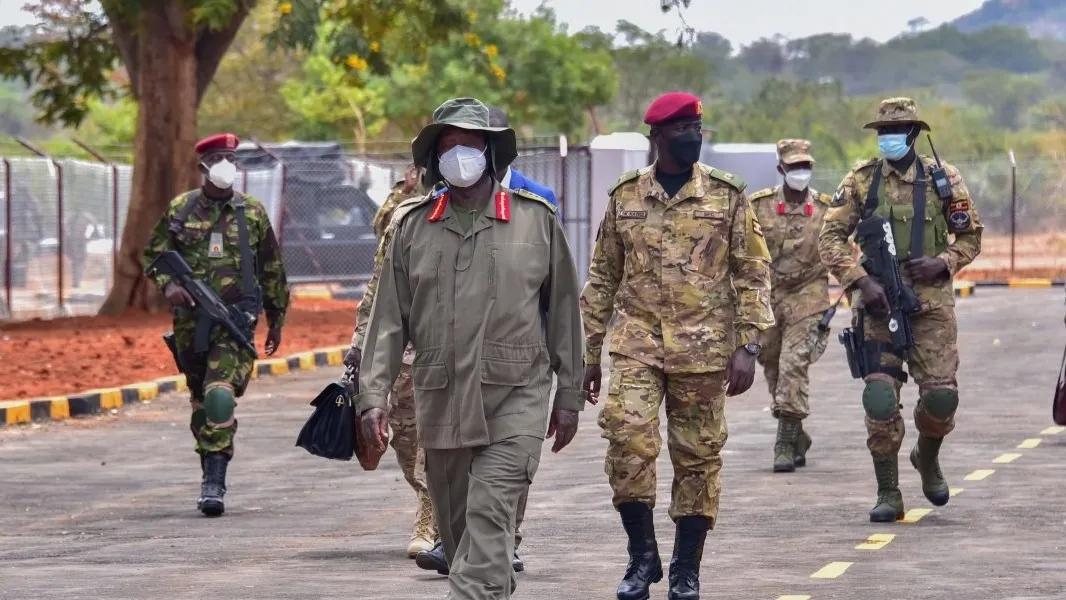
Africa-Press – Uganda. The president of the Republic of Uganda Yoweri Kaguta Museveni claims that the current problem of the Allied Democratic Forces (ADF) was created by two former Presidents of the Democratic Republic of Congo (DRC) and one Sudanese former President. Museveni while addressing the issue of the ADF rebels revealed that the militant group was supported by the DR Congo former Presidents Mobutu Sese Seko and Joseph Kabila plus Omar El-Bashir of Sudan.
The intent
According to Museveni, the ADF’s misguided ambition was to turn Uganda into a country ruled by Islamic Law (Sharia). He explained that when the ADF rebels started their treachery at one of the Mosques in Kampala and Buseruka (Hoima), they were badly hit by the Uganda People’s Defense Force (UPDF). The remnants fled to Congo and linked up with Mobutu and Bashir thinking that those linkages would give them strength. In his statement, President Museveni condemned the ADF rebels and their supporters, emphasizing that Uganda will not be turned into a Sharia state and that the government will continue to take action against any threats to the country’s peace and stability.
ADF story by Museveni
Uganda’s President claims that Mobutu and Bashir armed the ADF in 1996 and used that reinforcement to attack and overrun Mpondwe for over 3 days until they were repulsed to the mountains in a battle that left at least 400 ADF men dead. The last attempt was in 2007 when 100 of them invaded the Semuliki National Park but only 17 fled back to Congo, 83 of them remained dead, in the Park. After that, they planted some bombs in Kampala and killed some Sheikhs, but they were defeated and were only kept alive in Congo by the Government of President Kabila which allowed them to reside freely in Eastern Congo. Museveni says that Kabila watched on as ADF robbed and killed Congolese, harvested and sold their cocoa, cut and sold timber, illegally mined gold, and lived as criminal warlords-real parasites. He added that occasionally, some elements would sneak into Uganda and kill innocent people including Sheikhs. Museveni said his ruling the National Resistance Movement (NRM) exercised strategic patience and continued begging the Kabila Government to either get rid of these parasites from their country or allow Uganda’s government to help them do it. Unfortunately, President Kabila was not interested. According to Museveni Kabila was busy with external sponsors. And that the Congolese People of the East and the neighbouring countries did not matter. He added that Uganda decided not to overreact but to allow the situation to mature. Museveni says Kabila’s behaviour towards ADF rebels was the reason the Congolese voted his surrogates out and massively elected Tshisekedi.
Another version
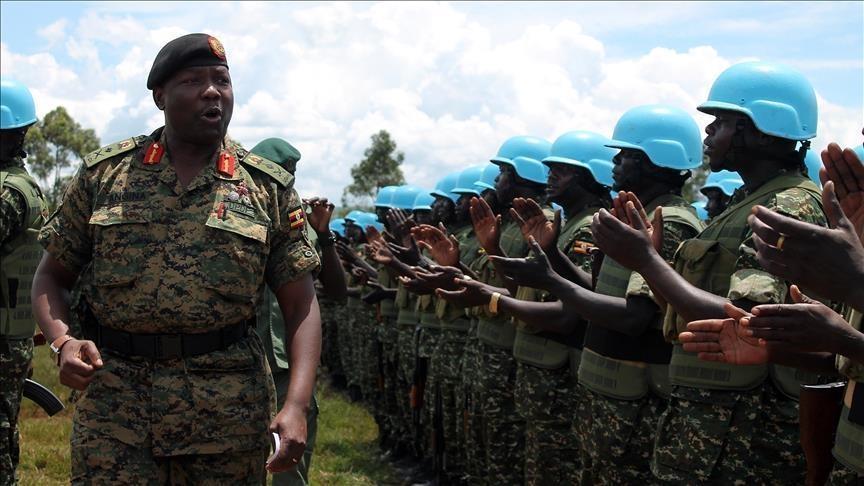
ADF, which was originally a Uganda-based rebel group, launched its attacks in the 1990s in the west by a Ugandan Jamil Mukulu whose adherents were Ugandans disgruntled with the government’s treatment of Muslims. Mukulu, together with some Ugandan Muslims, said they were sidelined by the President of Uganda Yoweri Kaguta Museveni’s policies. The rebel group was soon routed by the Ugandan military which drove its fighters across the border into Congo where they have been based and where its fighters had been attacking villages and torching schools in the early 2000s. The remnants fled across the border, to the east of the Democratic Republic of Congo. Mukulu founded the ADF to return to Uganda to establish an Islamic government. In 2015 Mukulu was arrested in Tanzania, which neighbours both DR Congo and Uganda, and was extradited to Uganda where he is on trial. After his arrest, the ADF transformed into a group with a more global outlook when Musa Baluku, a Ugandan in his mid-40s, inherited the leadership. According to a report from the George Washington University’s Program on Extremism Baluku wanted to position the ADF as part of a broader global movement. Initially, ADF rebels worked with local communities to set up businesses, which made them popular with many around the town of Beni, according to a 2011 UN report. But that changed when they started attacking local Christian communities.
Joint operation
In November 2021, the Ugandan President and his DR Congo counterpart Felix Tshisekedi launched a joint operation dubbed “Shuja” against the ADF armed group. The joint forces conducted search operations in the air and artillery strikes against suspected ADF bases in the forests of eastern Congo. The ADF has been based in the jungles of eastern Congo for more than two decades from where they launch attacks both within DR Congo and sometimes across the border in Uganda. Uganda said that its troops sent into the eastern DR Congo were to stay as long as needed to defeat Islamist militants.
ADF recent attacks
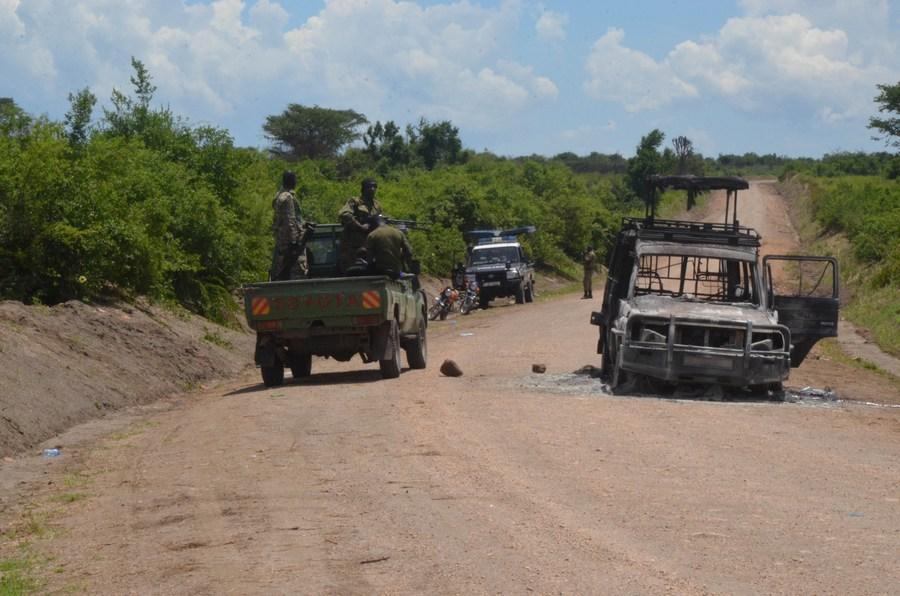
Last year the ADF made several attacks on Uganda leaving more than 60 people dead. The recent attacks happened on 19 December in which 10 people were killed and the 26 December attack where 3 people were burnt to death in areas near the DR Congo border. In June, the ADF rebels attacked Uganda and killed 41 people, including 37 students who were burned, shot, or hacked to death with machetes in a sickening attack on Mpondwe-Lhubiriha School in Kasese District, about 1.2 miles from the DRC border. In October a British tourist and his new South African wife were shot dead in an “ambush” at a Ugandan safari park while on their honeymoon. According to the statement that was issued by the Uganda police, the two foreign holidaymakers were touring the Queen Elizabeth National Park in the southwest of the country with their local guide when the trio were gunned down in a “cowardly” attack by the terrorist. Ugandan police blamed the attack on the ADF.
For More News And Analysis About Uganda Follow Africa-Press