Africa-Press – Uganda. The United Nations Climate Change Conference (COP26) will be a clarifying moment, poised between global cooperation and competition. As one of the key French officials tasked with delivering a deal at COP21 in Paris in 2015, I can attest to the weight of expectations placed upon this year’s hosts, Italy and the United Kingdom.
The summit in Glasgow, Scotland, this November is by far the most fraught meeting of governments since Paris, France. Paradoxically, greater global integration continues alongside emerging fault lines, including the injustices of the Covid-19 pandemic and a growing desire for inward, nationalistic policies.
While global trade is on track to increase by eight per cent this year, after falling by 5.3 per cent in 2020, the rollout of medical supplies along global supply chains has exposed deep sources of antagonism and rivalry. The issue of vaccine solidarity – compounded by wealthy countries earmarking trillions for their own economic recoveries – has seriously strained multilateral ties. COP26 is approaching under a cloud of tension.
This year’s conference will test the spirit of cooperation that emerged in Paris, where – after several abortive efforts – 196 governments adopted the historic Paris accord and made “net zero” a geopolitical reality. The agreement has since provided the organising principle for all climate action – one that nation states, regions, cities, businesses, investors, civil society, and individuals all had a voice in, and can all act upon. This was people-powered multilateralism at its best.
Six years later, we ought to be seeing a positive domino effect of bold pledges from states. Instead, we are watching a nervous game of poker. As with vaccines, wealthier countries are not sharing their wealth and technology.
Tellingly, the international community still has not met the Paris agreement’s target of $100b per year for supporting climate investments in developing countries. This figure is a threshold, not an end goal: it is essential that we clear this hurdle for all parties at COP26 to know that wealthy countries mean business and are sincere in their solidarity.
Equally concerning is the absence of specifics for how G20 countries intend to meet abstract net-zero targets. Many remain fully locked into fossil fuels. Since these economies account for almost 80 per cent of worldwide emissions, they must start including more concrete, comprehensive decarbonisation planning as part of their Nationally Determined Contributions (NDCs) under the Paris agreement.
The European Commission’s new Fit for 55 plan shows how this can be done in a detailed, sector-specific way. Unfortunately, the European Union is the exception. Everyone else is still playing poker, even as the room fills up with water.
Some concrete steps to defuse tensions at COP26 would include a dedicated item for meaningful discussions on “loss and damage,” while this summer’s ferocious weather events still loom large in everyone’s memory.
The conference also must press the issue of financing for climate adaptation efforts as part of the broader drive to meet the minimum $100 billion per year target.
Finally, G20 countries that have not delivered their NDCs must do so as soon as possible, demonstrating that their policies are sufficient to keep the world on a 1.5°C pathway.
G20 countries anxious to promote their role as climate leaders must listen carefully to the warnings from others, particularly those on the front lines. If we see momentum on these fronts between now and November, the UK and Italy could herald COP26 as a success, keeping the 1.5°C goal in our sights.
–Project Syndicate
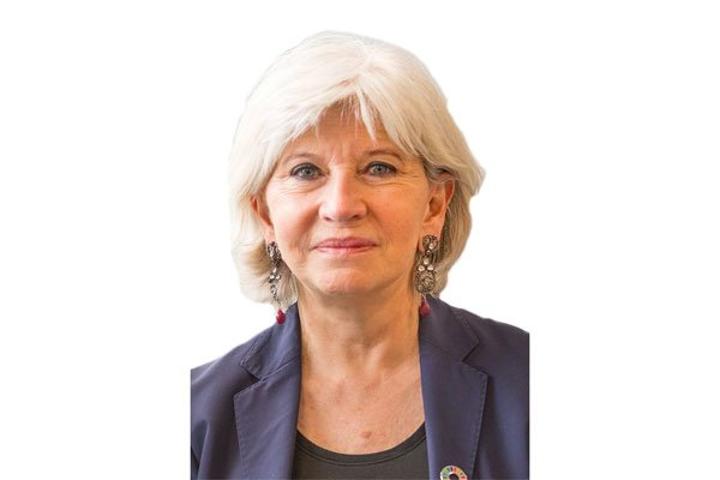
Ms Tubiana is former French ambassador to the United Nations Framework Convention on Climate Change.