Africa-Press – Uganda. Multi-drug-resistant tuberculosis (TB) has been a growing problem in Uganda, especially around the Kampala Metropolitan Area and the northern district of Lira, for years.
The Ministry of Health now says an even more extreme strain of the deadly disease — resistant to all of the drugs normally used to treat it — is causing concern in the administrative units.
“Uganda remains one of the 30 TB-burdened countries in the world. In Uganda, there are specific areas that have a very high burden of TB, and these include Kampala Metropolitan Area, which includes Kampala, Wakiso and Mukono,” Dr Jane Ruth Aceng, the minister of Health, said during an engagement with cultural leaders in Lira on August 10.
Next to Kampala Metropolitan Area, Dr Aceng named northern Uganda, especially districts in Lango Sub-region. These include Lira, Oyam, Kwania, Otuke, Alebtong, Apac, Kole, Amolatar, Dokolo and Lira City.
“In addition, not only are we struggling with TB, but we are also struggling with multi-drug resistant TB,” the minister said.
The ministry is, however, set to conduct more studies on the manifestation of tuberculosis in Uganda amid rising incidence and morbidity rates.
The latest national survey, conducted in 2019, shows that about 89,000 people contract TB every year, but this number has now risen to around 90,000, according to the Health minister.
Dr Aceng said Kampala with a population of about two million people detects about 7,500 to 9,000 cases of TB annually, with Lango Sub-region taking second place.
“We are losing people to TB, and majorly men between the ages of 15 and about 54, and these are the ages where we expect people to be economically productive,” she said.
According to data collected from various health centres across Lango Sub-region, 33 percent of TB patients died in 2022 against the national average of 4.7 percent.
Dr Patrick Buchan Ocen, the district health officer (DHO) of Lira, said zero percent of TB cases died in Oyam District, while 0.67 percent died in Lira; 2 percent in Kole, 3.1 percent in Kwania, 3.4 percent in Apac, Otuke 3.6 percent, Alebtong 3.7 percent, Dokolo 6.5 percent, Lira City 7.1 percent and Amolatar 7.4 percent.
The Health minister said: “We want to empower our cultural leaders with information that they can share with the population in their areas so that people can …test for TB.”
Dr Stavia Turyahabwe, the assistant commissioner of health services, also the programme manager for tuberculosis and leprosy control, said the Health ministry aspires to have a Uganda which is free from tuberculosis and leprosy.
“And we hope to achieve this through providing quality, accessible and affordable TB and leprosy services,” she said.
Dr Turyahabwe added: “We strive to have more than 90 per cent of all Ugandans knowing something about TB disease and leprosy. Once people know, then we want to make sure that if you have a higher risk of getting the disease, you reach the health system and you receive either prevention which is available, or if you have already got the disease, get diagnosed and start on treatment.”
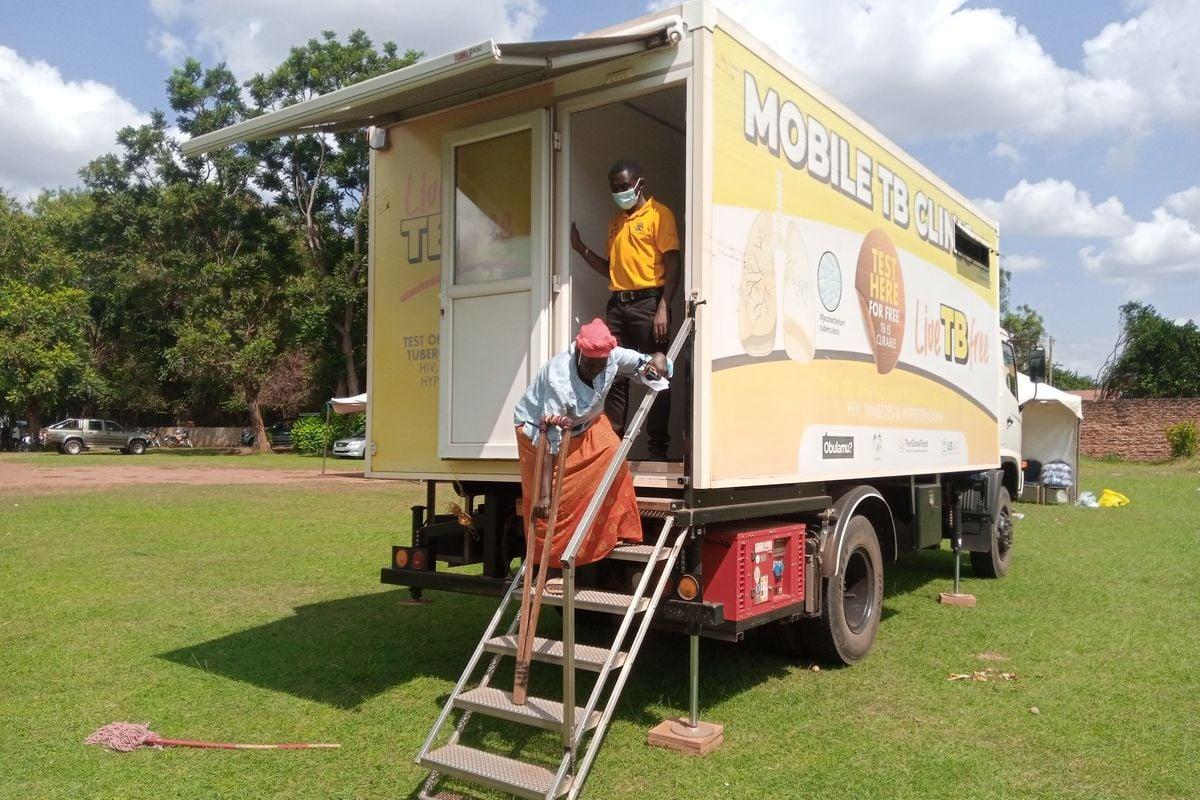
She urged patients not to lose hope, saying TB is curable and preventable.
Dr Turyahabwe said: “Now what is interesting is that those people who are found with the disease have ever lived with someone with the disease.”
Disease burden
Dr Turyahabwe said for every 100,000 people you meet or you put together, 200 have the disease in Uganda. She said 91, 000 fell ill with the disease in 2022. Of these, 74,799 patients were put on treatment.
“It means that some of the people who fell ill with the disease in that year remained in the communities. …They didn’t reach our health systems. Of those, 16,000 were children,” she said.
Mr Eremos Otim, 42, a TB patient in Lira City, said: “It’s easy to treat but I have noticed that the way we take our medication is improper. Since the drugs are very strong, you need to eat something before you can swallow it.”
For More News And Analysis About Uganda Follow Africa-Press