Africa-Press – Uganda. A plan by the government to extend relief cash handouts to selected vulnerable Ugandans hit by the second Covid-19 induced lockdown has elicited mixed reactions from targeted beneficiaries and local leaders across the country.
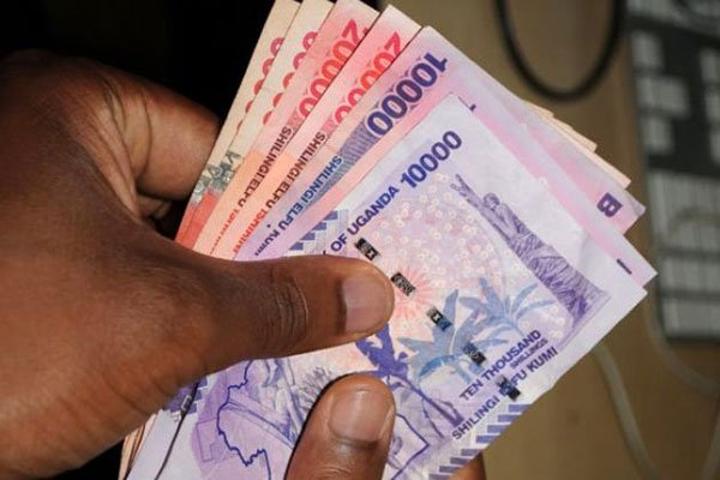
Early this week, government announced that it had put aside Shs54.7 billion to be shared among 16 vulnerable groups including bus, taxi drivers and conductors, touts, boda boda riders, salon operators, slum dwellers, orphans, and vulnerable children.
Others earmarked to benefit from the relief package include baggage carriers, wheelbarrow pushers and touts in taxi and bus terminals, bar attendants, deejays, gym workers and bouncers, waiters, waitresses and cooks, food vendors, teachers at private schools and those not on government payroll, car washers, street vendors and shoe shiners.
Other categories slated to benefit from the cash are special hire drivers, artistes (musicians, producers, comedians and promoters). Each of the targeted 501,197 households is expected to receive Shs100,000.
According to the breakdown, beneficiaries are supposed to use Shs80,000 to buy 20 kilogrammes of maize flour, 10 kilogrammes of beans, one bar of soap and three litres of cooking oil. The balance of Shs20, 000 would be spent on other essential items.They would get the money next month.
However, a section of Ugandans, including the targeted vulnerable groups , have expressed reservations with the government plan, with some describing it as a mockery aimed at hoodwinking people who have suffered two successive lockdowns since the pandemic broke out.
Ms Mariam Namwanje, a teacher at Mustard Seed Primary in Kalungu District, doubted the criteria local government leaders are using to select the beneficiaries.
“In our case, it could work better if they channeled the money through various teachers’ associations,” she said.Mr Abdul Katende, a boda-boda cyclist at Muto Complex Stage in Masaka City, hailed the government for the timely intervention but fears it could be marred by irregularities.
“No one knows how the lists of beneficiaries were generated, I have not been registered and we don’t know where they are registering from. I doubt whether I will be among the beneficiaries,” he said.
This is because their leaders at the various stages and associations have been left out of the exercise.
Mr Pascal Mukasa, a salon operator in Kimaanya, a Masaka City suburb, said: “Government’s plan to help citizens with cash handouts is a well-thought-out idea. But the money is too little given the high cost of living. At least they could have given each household Shs200,000.”
Ms Annet Animo, 25, who runs a ladies’ salon in Bukaya Trading Centre, Buikwe District, with five employees, said it would be good if the money is given to each worker in the salon.
However, Mr Wilson Kalenzi, a boda boda rider in Nyenga Central Division in Buikwe District, casted doubt on whether the promise will be fulfilled.
“You remember the money for the elderly persons, up to now some of them have not received their share, when they [government] promised facemasks last year, very few people benefited,” he said.
Ms Lucy Kabahinda, a street vendor in Fort Portal City, said: “If I get that money, I will thank God. I heard through radio that some of us will receive money on our phones, I have not been registered and I don’t know who is responsible.”
Mr Ivan Mwesige, a stage master at Mpanga boda boda Stage in Fort Portal City, said the relief cash is little because the period of lockdown is long.
Mr Aloysius Katurebe, a private teacher in Kamwenge District, said it’s unfortunate to see the government borrow huge sums of money for Covid-19 interventions, but is considering sending peanuts to vulnerable people.
“The relief fund for each household could have been Shs500,000 because many vulnerable people have extended families, giving them Shs100,000 will be like a drop in the ocean ,” he said.
In Mbale City, Ms Aisha Nagudi, a street vendor, said they are waiting for the money. “We are starving, but the government is dilly-dallying on the issue of cash handouts,” she said.
Mr Mike Opolot, a shoe shiner in Tororo Municipality, said : “They [government] promise, but they never deliver on anything. Whether they send us the money or not, we no longer care.”
Mr Akim Watenyeri, the Uganda People’s Congress chairperson for eastern region, said: “It’s unfortunate that some of the loans government gets to fight Covid-19 end up in people’s pockets.”
Mr Khalid Muyingo, the chairperson of Jinja Taxi Park Operators Association, said sending money on mobile phones is good, but some vulnerable people don’t own phones. “Various categories of people have associations in their areas. It would be better if they channel that money through such groups,” he said.
Mr Eria Musobya, the chairperson Jinja Boda- Boda Riders Association Ltd, said the arrangement could work if they had involved the village chairpersons.
Cabinet on Monday resolved that the registration of beneficiaries will be conducted by officials of Uganda Bureau of Statistics and town clerks, an unexplained departure from previous official proclamations that Local Council (LC) chairpersons would supervise the exercise.
It was deemed that LC officials had better knowledge about their village residents, unlike the technocrats.
“The process the government is using is likely to lock out the rightful beneficiaries because those in charge, including the town clerks don’t know us. At least they would have involved the village chairpersons, the RDCs and the leaders of the vulnerable groups. The money is likely to be taken by those who are well off,’’ he said.
Mr Ibrahim Mutegule, a shoe shiner on Biashara Building, Main Street in Jinja City, described the move as a good gesture. With Shs100,000, he said he would buy 20 kilogrammes of maize flour, 10 kilogrammes of beans, soap and cooking oil.
In Busia Town, Mr Bernard Ojambo, a boda boda rider, who operates on Tororo Road, said: “Last year, we waited for maize flour and beans during the first lockdown, but we did not receive them, I also hear that someone has to be with a National ID, which I don’t have.”
Mr Bashir Isabirye, a mechanic in Busia Town, said he fears officials might only target those who support the government.Mr Stephen Mugeni Wasike, the Busia District chairperson, said many people in rural areas are equally affected by the lockdown.“As a district chairperson, I am under pressure from people because they do not have food,” Mr Mugeni said.
The director of Kabale Universal Primary School, Mr Drake Kisheija said: “The promise to give Shs100,000 to teachers as Covid-19 relief fund is welcome, though small, but it’s better than nothing,”
Mr Katabazi Muhwezi, the chairperson of Kabale Taxi Owners and Drivers Association, said: “The money should be increased to Shs300,000.’’
Mr Stuart Nimusima, a teacher at Kisoro Vision High School, said: “When the second lockdown was announced, I started a chapati business to raise some money for my family. It is my prayer that this money is loaded on my phone .”
Mr Wilber Nsabimana, a conductor at Nzovu Bus Company, said if he gets the cash, he will use it to set up a small income generating business.
In Soroti, the registration exercise for beneficiaries is pending as authorities wait for guidance from the government.The Resident City Commissioner (RCC) of Soroti, Mr Robert Adiama, said once the government sends the money, all the targeted beneficiaries will get it.
In Arua City, a boda boda cyclist, Mr George Adomati, said: “I believe this is just a government’s way to account for the money that was given by donors. People donated during the first lockdown and we did not even receive the food.”The Moyo District community development officer, Mr David Anyama, said they have not received any communication from the government about registration of vulnerable people.
In Mbarara, Isingiro, Rwampara and Kiruhura, leaders believe government is not fair in the distribution of the cash because every Ugandan has been affected by the lockdown.
Rwampara District chairperson Richard Owomugasho said the Cabinet ministers who proposed the relief support in cities and municipalities do not know the meaning of the term vulnerability.
“Vulnerability does not depend on where you stay, but how you survive. The LCs know which family or individuals are vulnerable. I have town councils which are bigger than cities, they have saloons, taxi operators and they are not operating,” he said.
The Mbarara chairperson, Mr Didas Tabaro, said the government should amend the procedure.
Compiled by Al-Mahdi Ssenkabirwa, Philip Wafula, Tausi Nakato, Abubaker Kirunda, Fred Wambede, Alex Ashaba, Denis Edema, Ismail Bategeka, David Awori, Robert Muhereza, Leonard Mbishinzimana, Ronald K ,Simon Emwamu, Rajab Mukombozi ,Joseph Omollo, Felix Warom, Rajab Mukombozi & Scovin Iceta